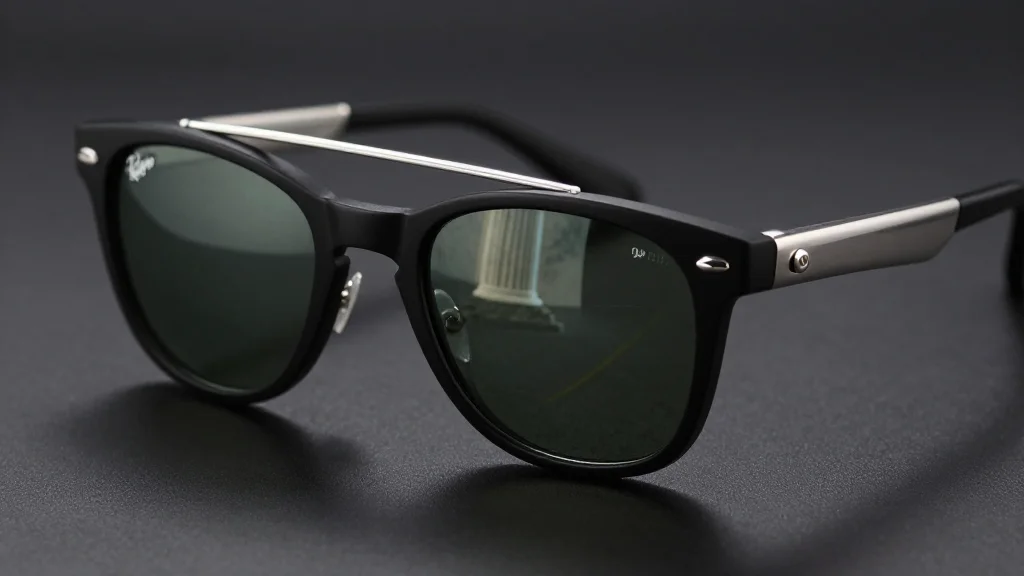
Meta’s AI Glasses Spark Calls for New U.S. Privacy Laws



Why It Matters
The clash between AI‑enabled wearables and outdated privacy statutes highlights a broader regulatory challenge: technology is advancing faster than the legal system can adapt. Without clear rules, individuals risk involuntary exposure of personal data, while companies face uncertain liability and potential litigation. For the LegalTech sector, the controversy opens a market for tools that help organizations comply with emerging consent and data‑protection requirements specific to wearables. Platforms that can integrate real‑time facial‑recognition alerts, manage user permissions, and produce evidence for court filings will become essential as lawmakers craft new statutes.
Key Takeaways
- •Meta has sold over 8 million AI‑enabled Ray‑Ban glasses since 2024.
- •Harvard students demonstrated real‑time doxxing with the I‑XRAY system.
- •Senators Markey, Merkley and Wyden warned that facial‑recognition in glasses could normalize mass surveillance.
- •A class‑action lawsuit was filed against Meta in March 2026 alleging privacy violations.
- •Counter‑surveillance app Nearby Glasses offers users detection of AI wearables.
Pulse Analysis
The current debate mirrors the early days of smartphones, where consumer enthusiasm outpaced privacy safeguards. Meta’s decision to double down on facial‑recognition suggests the company believes market demand will outweigh regulatory risk, a bet that could backfire if a federal framework materializes. Historically, technology firms that ignore emerging privacy norms—think early social‑media platforms—have faced costly settlements and brand damage.
LegalTech providers stand to gain by positioning themselves as the compliance bridge between hardware manufacturers and regulators. Solutions that can automatically flag biometric captures, enforce consent dialogs, and generate immutable logs will be in high demand. Moreover, the rise of counter‑surveillance tools indicates a growing consumer awareness that could pressure legislators to act faster.
Looking ahead, the success of any new federal bill will hinge on bipartisan agreement that balances innovation with civil liberties. If Congress enacts clear consent thresholds for wearables, we may see a wave of compliance‑as‑a‑service offerings tailored to the IoT and AR sectors. Until then, the market will remain fragmented, with companies like Meta pushing forward while civil‑rights groups and state attorneys general push back, creating a volatile environment ripe for LegalTech disruption.
Meta’s AI Glasses Spark Calls for New U.S. Privacy Laws
Comments
Want to join the conversation?
Loading comments...