As Dinner by Heston Blumenthal Prepares to Close, I Tried Its Most Playful Dining Experience
•March 9, 2026
0
Why It Matters
The closure marks the end of one of Britain’s most influential fine‑dining labs, while the reverse‑menu concept underscores a growing demand for immersive, narrative‑driven dining experiences that challenge conventional service structures.
Key Takeaways
- •Restaurant closes January 2027 after decade in London
- •Topsy Turvy reverses course order, dessert first
- •Nitrogen ice cream uses costly Madagascan vanilla
- •Menu includes three‑year‑refined chicken‑liver mandarin
- •Price range £170‑£230 with optional wine pairings
Pulse Analysis
London’s culinary map will lose a landmark when Dinner by Heston Blumenthal closes in early 2027. The restaurant has been a proving ground for molecular techniques and theatrical storytelling, earning two Michelin stars and a reputation for pushing the boundaries of British gastronomy. Its departure not only signals the end of a decade‑long chapter for the chef’s flagship but also raises questions about the sustainability of high‑cost, experience‑heavy concepts in a post‑pandemic market.
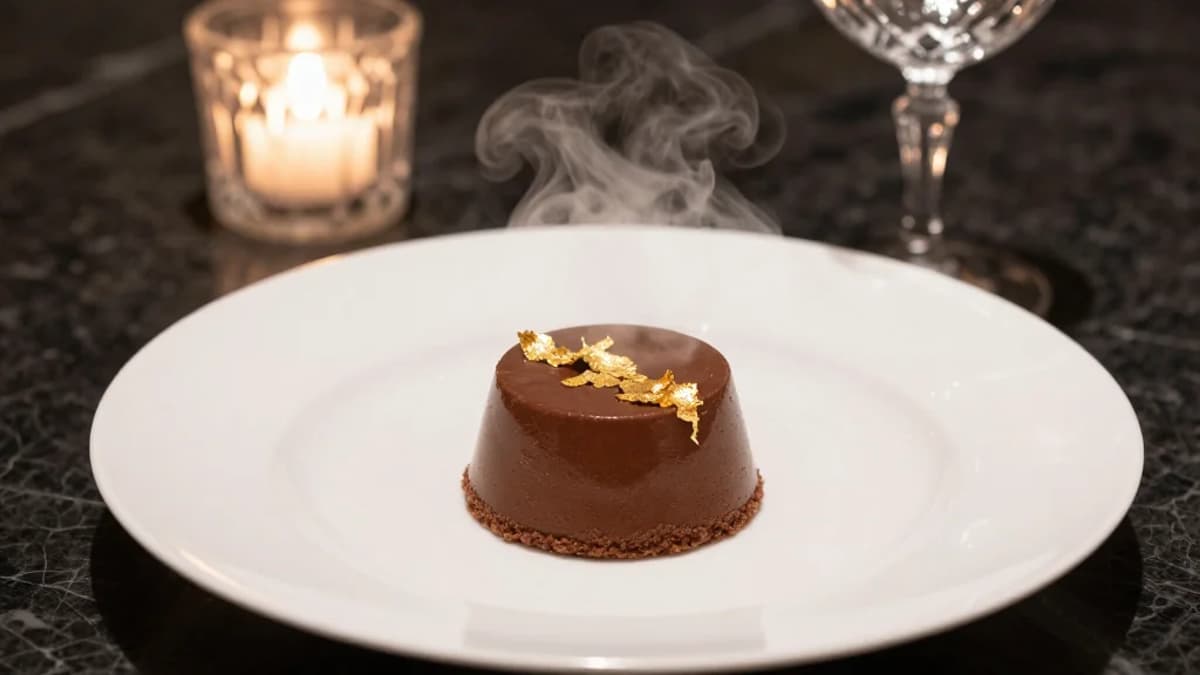
The "Topsy Turvy" tasting menu epitomizes Blumenthal’s penchant for subverting expectations. By serving dessert first and concluding with lighter starters, the menu re‑engineers the digestive rhythm, delivering a lighter finish despite a rich beginning. Elements such as a backward‑printed menu viewed through a mirror, oversized goggles that invert vision, and a nitrogen‑infused ice cream that smokes at -196°C transform the meal into an interactive performance. These details reinforce a broader trend where diners seek narrative immersion as much as flavor.
For the fine‑dining industry, the restaurant’s closure and its experimental menu illustrate a pivot toward experiential value over traditional prestige. While Michelin stars remain a benchmark, chefs are increasingly leveraging storytelling, historical context, and sensory tricks to differentiate themselves. As consumers allocate discretionary spend toward memorable outings, venues that can blend culinary excellence with theatrical flair—without prohibitive price points—are likely to thrive, shaping the next evolution of upscale hospitality.
As Dinner by Heston Blumenthal Prepares to Close, I Tried Its Most Playful Dining Experience
0
Comments
Want to join the conversation?
Loading comments...