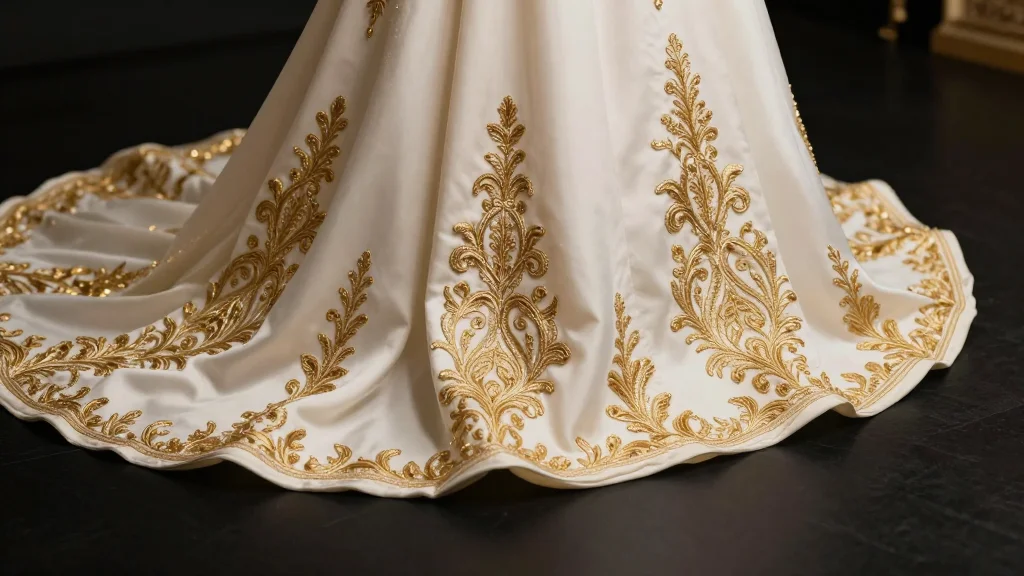
Bella Hadid Stuns Cannes in Schiaparelli Gown Crafted Over 22,000 Hours

Companies Mentioned
Why It Matters
The Schiaparelli gown’s viral success illustrates how heritage craftsmanship can be transformed into a digital narrative that fuels brand equity and consumer desire. By publicizing the exact number of hours and artisans involved, the house turned a single red‑carpet appearance into a story of rarity, reinforcing the premium pricing model that underpins the luxury sector. At the same time, the episode spotlights a growing tension between the celebration of labor‑intensive couture and the push for sustainability, prompting luxury brands to balance artisanal heritage with environmental responsibility. Moreover, the event reinforces the power of celebrity ambassadors in amplifying luxury narratives. Bella Hadid’s global reach turned a niche couture moment into mainstream conversation, demonstrating that strategic collaborations between high‑profile talent and heritage houses can generate measurable buzz, drive social‑media engagement, and ultimately influence purchasing behavior across luxury categories.
Key Takeaways
- •Bella Hadid wore a custom Schiaparelli gown at Cannes 2026 that required 22,160 hours of embroidery.
- •The dress was created by 130 artisans and designed by Daniel Roseberry.
- •The ivory trompe‑l’œil gown references Jane Birkin’s 1969 crochet dress.
- •Social media buzz generated millions of impressions within hours of the premiere.
- •The moment reignites debate over labor‑intensive couture versus sustainability in luxury.
Pulse Analysis
Bella Hadid’s Cannes appearance marks a pivotal moment where heritage couture and digital virality intersect. Historically, luxury houses have relied on exclusivity and limited runway shows to cultivate mystique. In the age of Instagram and TikTok, however, a single image can reach a global audience instantly, turning a runway moment into a 24‑hour news cycle. Schiaparelli’s decision to disclose the exact labor metrics was a calculated move to harness that cycle, converting artisanal effort into a quantifiable story that resonates with both connoisseurs and casual observers.
From a competitive standpoint, the spectacle sets a new benchmark for luxury brands seeking relevance at high‑visibility events. While some houses may double down on extravagance—larger trains, more crystals—others might pivot toward transparent sustainability narratives, highlighting eco‑friendly materials and reduced carbon footprints. The backlash from sustainability advocates could pressure couture houses to innovate new methods that preserve handcraft while minimizing environmental impact, potentially reshaping the definition of ‘luxury’ in the next decade.
Looking ahead, the ripple effect will likely influence how luxury brands allocate marketing budgets. Expect a rise in behind‑the‑scenes content that showcases artisans, as brands aim to replicate the emotional connection generated by Hadid’s gown. Simultaneously, regulators and NGOs may demand clearer reporting on the ecological cost of such labor‑intensive pieces. The balance between storytelling, craftsmanship, and responsibility will define the next era of luxury, and Bella Hadid’s 22,160‑hour dress is the flashpoint from which that conversation will evolve.
Bella Hadid Stuns Cannes in Schiaparelli Gown Crafted Over 22,000 Hours
Comments
Want to join the conversation?
Loading comments...