Companies Mentioned
Why It Matters
The foundation spotlights a growing luxury‑industry focus on authentic craftsmanship, reinforcing Venice’s historic craft ecosystem while offering a new platform for designers navigating the AI era.
Key Takeaways
- •Van Noten launches Venice crafts foundation in 43,000‑sq‑ft Palazzo Pisani Moretta.
- •Inaugural show features 200 works by 50+ artists, blending fashion and craft.
- •Foundation emphasizes hand‑made artistry amid growing AI‑generated design.
- •Palazzo will close 15 months for HVAC and electrical upgrades.
- •Event includes 500‑guest opening and plans a music festival in October.
Pulse Analysis
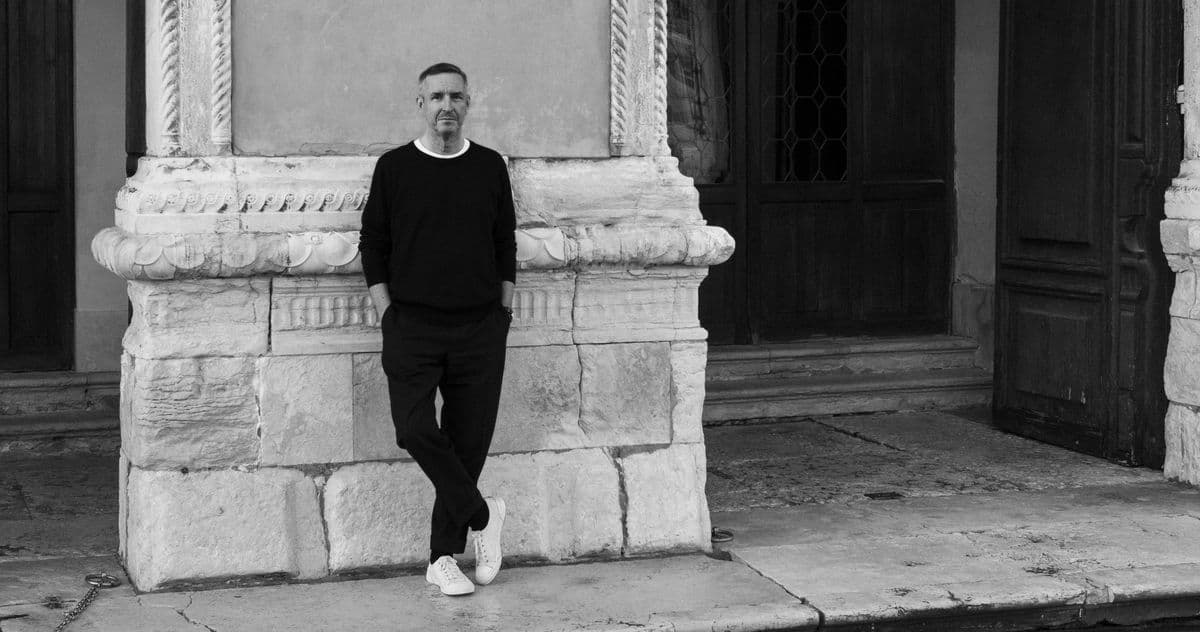
Dries Van Noten’s transition from runway to restoration reflects a broader shift among luxury creators who are seeking relevance beyond seasonal collections. After a three‑decade tenure that helped define the Antwerp Six and a 2018 sale of his label to Puig, Van Noten retired at 66 and turned his attention to Venice’s centuries‑old craft heritage. By establishing a foundation focused on hand‑crafted excellence, he positions himself at the intersection of tradition and technology, offering a counter‑narrative to the accelerating influence of AI‑driven design tools.
The Palazzo Pisani Moretta, a 1480‑era palazzo spanning 43,000 sq ft, provides a dramatic backdrop for the foundation’s debut exhibition, "The Only True Protest Is Beauty." Curated by Van Noten and longtime associate Geert Bruloot, the show assembles roughly 200 pieces—from early Christian Lacroix couture to avant‑garde glass chessboards with robotic arms—highlighting the tactile ingenuity of contemporary makers. Notable installations include Peter Bugganhout’s monumental sculpture at the canal entrance and Joseph Arzoumanov’s kinetic chessboard, underscoring the exhibition’s blend of historic craft techniques with modern mechanization.
Beyond artistic ambition, the foundation injects fresh vitality into Venice’s cultural economy. The opening attracted 500 guests and dovetails with the city’s Salone dell’Alto Artigianato Italiano, reinforcing the market for high‑end handmade goods. A planned music festival and a 15‑month renovation of the palazzo’s infrastructure signal a long‑term commitment to preserving and showcasing craftsmanship. For luxury brands, Van Noten’s model illustrates how heritage spaces can serve as incubators for artisanal collaborations, offering consumers tangible narratives that differentiate products in an increasingly digital marketplace.
Designer Dries Van Noten’s Crafty Next Step
Comments
Want to join the conversation?
Loading comments...