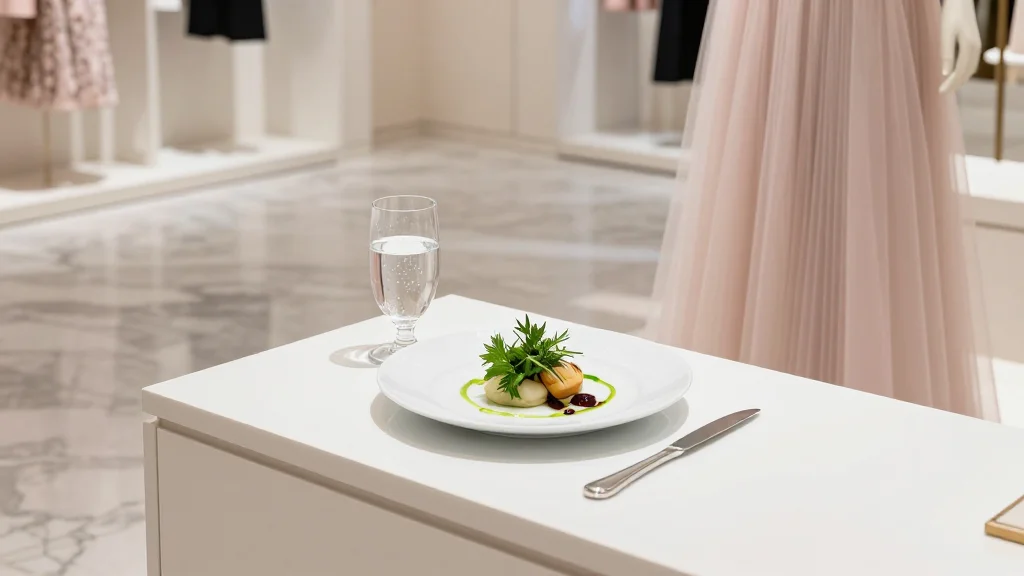
Dior Revives Saint‑Tropez Boutique with Chef Mauro Colagreco’s Garden Restaurant

Why It Matters
The integration of haute cuisine into a fashion boutique illustrates how luxury brands are redefining the retail experience to meet evolving consumer expectations for personalization and immersion. By aligning with a chef renowned for his seasonal, nature‑focused approach, Dior reinforces its narrative of timeless elegance rooted in craftsmanship and artistry. This strategy not only differentiates the brand in a crowded market but also creates new touchpoints for high‑net‑worth customers who value exclusive, shareable moments. If successful, Dior’s model could inspire a wave of similar partnerships, prompting luxury houses to invest in culinary talent, bespoke interiors, and location‑specific concepts. The ripple effect may reshape retail real estate, supply chains, and marketing budgets as brands allocate resources toward experience‑driven initiatives rather than solely product development.
Key Takeaways
- •Dior reopened its Saint‑Tropez boutique on Monday with fresh interiors for Jonathan Anderson’s collections.
- •Chef Mauro Colagreco, three‑star Michelin chef of Mirazur, launched Le Café Dior and a Monsieur Dior garden pop‑up.
- •Menu items echo Dior designs, such as the Champ de Trèfles starter mirroring the Lady Dior Clover handbag.
- •The boutique is located in a historic country house, offering both indoor retail and outdoor dining.
- •Dior aims to test the experiential retail model for potential rollout in other global markets.
Pulse Analysis
Dior’s Saint‑Tropez rollout is a calculated bet on the experiential economy that has been gaining traction across luxury sectors. Historically, fashion houses have relied on flagship stores as brand temples, but the rise of social media and the desire for shareable moments have pushed brands to create environments that are as Instagrammable as they are sellable. By embedding a chef of Colagreco’s caliber, Dior not only adds a layer of exclusivity but also taps into the growing consumer appetite for culinary tourism, especially among affluent travelers who view dining as an extension of personal style.
From a competitive standpoint, Dior’s move puts pressure on peers such as Louis Vuitton and Chanel, which have experimented with pop‑up cafés and art installations but have not yet committed to a full‑scale restaurant partnership in a flagship setting. The success of Dior’s concept will likely be measured by foot traffic, average spend per visitor, and the volume of earned media generated through guest posts and influencer coverage. Should the metrics prove favorable, we can expect a cascade of similar collaborations, potentially leading to a new sub‑segment within luxury retail—high‑end fashion‑food hybrids.
Looking ahead, the key challenge will be translating this garden‑centric, seasonal model to urban environments where space is at a premium. Brands may need to innovate with modular pop‑ups, rooftop gardens, or partnerships with existing luxury hotels to preserve the essence of the experience while adapting to different locales. If Dior can navigate these constraints, it could set a precedent for a more holistic definition of luxury that blurs the lines between apparel, ambience, and gastronomy.
Dior Revives Saint‑Tropez Boutique with Chef Mauro Colagreco’s Garden Restaurant
Comments
Want to join the conversation?
Loading comments...