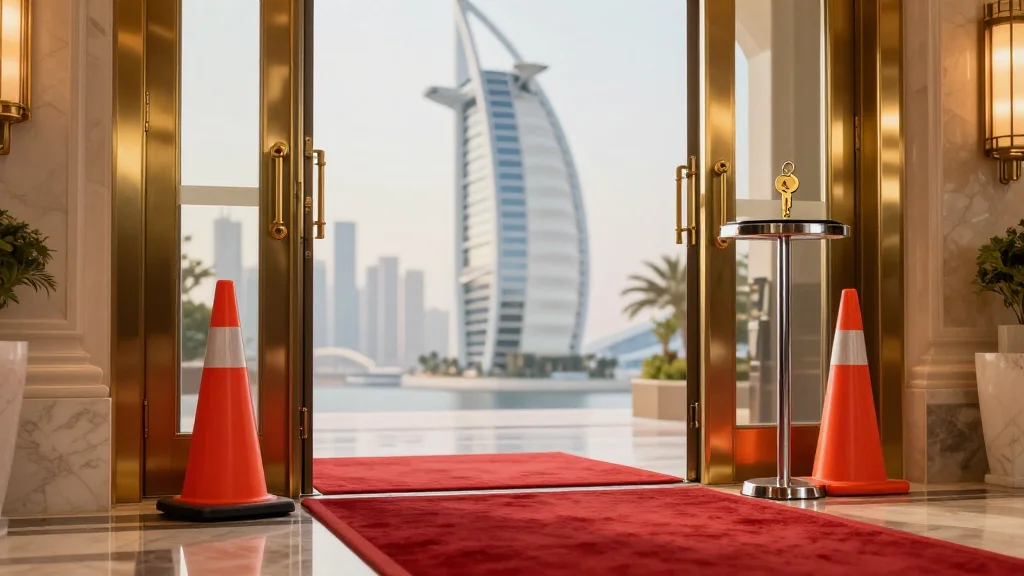
Dubai’s Luxury Hotels Go Dark This Summer — Strategic Pause or Warning Sign?
Why It Matters
The closures and ATM delay signal a test of Dubai’s tourism resilience, affecting hotel revenue cycles, investor confidence, and the city’s positioning as a global travel hub.
Key Takeaways
- •Burj Al Arab, Armani Hotel, others closed for renovations, not crisis
- •Anantara World Islands permanently shut, indicating selective market exits
- •Arabian Travel Market postponed to August, signaling confidence gap in travel demand
- •Renovations timed with low season to protect revenue after geopolitical shock
- •Social media exaggerates hotel closures; broader Dubai market remains robust
Pulse Analysis
Dubai’s tourism engine has long relied on a blend of iconic luxury hotels and high‑profile events to attract affluent travelers. While 2025 set a record with over 16 million visitors, the recent string of hotel refurbishments reflects a calculated use of the seasonal lull. Operators are leveraging the summer slowdown to undertake multi‑year upgrades, preserving cash flow and positioning properties for a post‑conflict surge when demand rebounds. This approach mirrors practices in other global hubs where capital‑intensive assets are refreshed during demand troughs to avoid revenue loss.
Geopolitical volatility in the Gulf has disrupted flight routes and dampened discretionary travel, prompting the Arabian Travel Market (ATM) to shift its 2026 dates to August. As a cornerstone deal‑making platform, ATM’s postponement underscores a broader confidence gap among airlines, tour operators, and investors. The delay also offers a window for hotels to complete renovations before the influx of trade‑show attendees, potentially turning a logistical setback into a synchronized market reset. Analysts watch ATM closely, as its success will signal whether the region can restore the perception of safety and reliability essential for sustained visitor growth.
Looking ahead, Dubai’s strategy appears to blend risk mitigation with opportunistic reinvention. By aligning refurbishment cycles with a temporary dip in demand, hotel groups aim to emerge with upgraded amenities that meet evolving luxury standards. The permanent closure of Anantara World Islands hints that only underperforming assets will be trimmed, while the broader hotel inventory remains robust. Investors should monitor occupancy trends post‑ATM; a strong showing could accelerate capital inflows and reinforce Dubai’s status as a resilient, premium tourism destination despite external shocks.
Dubai’s Luxury Hotels Go Dark This Summer — Strategic Pause or Warning Sign?
Comments
Want to join the conversation?
Loading comments...