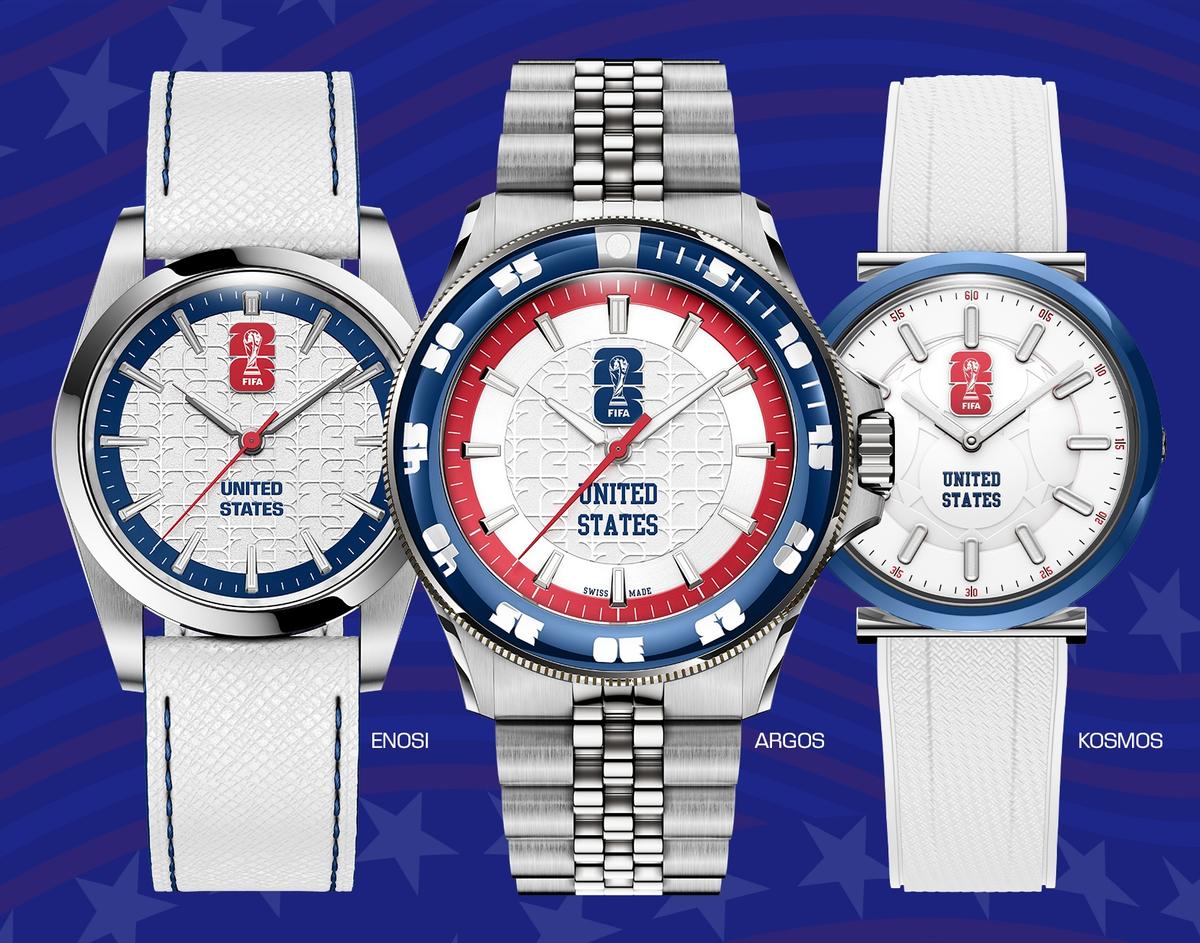
Fashion Briefing: How a U.S. Microbrand Became the First Official Purveyor of Licensed World Cup Watches
Companies Mentioned
Why It Matters
Being the inaugural licensed World Cup watchmaker gives Axia unparalleled brand visibility and proves that microbrands can compete for premium sports licenses. It also highlights expanding revenue opportunities for smaller manufacturers within the tournament’s lucrative merchandising landscape.
Key Takeaways
- •Axia becomes first official World Cup watch licensee
- •Microbrand leverages sports licensing traditionally held by luxury houses
- •World Cup merchandise market worth billions, attracting brands like Nike
- •License boosts Axia’s global visibility and sales potential
Pulse Analysis
The World Cup has long been a magnet for high‑visibility branding, with luxury watchmakers like Hublot and Tag Heuer using the tournament to showcase precision and prestige. Yet the licensing arena has remained largely inaccessible to smaller players, who lack the distribution networks and marketing budgets of established houses. Recent shifts in consumer behavior—favoring niche, story‑driven products over mass‑market luxury—have opened a window for agile microbrands to negotiate directly with event organizers, leveraging digital‑first strategies to reach global fans.
Axia’s breakthrough stems from a focused approach that blends Swiss craftsmanship with American entrepreneurial agility. By securing an official World Cup watch license, the brand can produce limited‑edition timepieces that carry the tournament’s official insignia, a credential previously reserved for multi‑billion‑dollar conglomerates. The microbrand plans to distribute the watches through a combination of e‑commerce channels and select boutique retailers, capitalizing on the tournament’s hype cycle to drive pre‑orders and limited‑run sales. This strategy not only diversifies Axia’s revenue streams but also positions it as a credible partner for future sports licensing deals.
The broader implication for the industry is a democratization of sports merchandising. As licensing bodies recognize the marketing value of niche brands that can engage specific fan segments, we may see a proliferation of micro‑licensed products across categories—from apparel to tech accessories. For investors and marketers, the Axia case underscores the importance of agility, brand storytelling, and strategic timing in capturing a slice of the World Cup’s massive commercial pie, which consistently generates billions of dollars in ancillary revenue each tournament cycle.
Fashion Briefing: How a U.S. microbrand became the first official purveyor of licensed World Cup watches
Comments
Want to join the conversation?
Loading comments...