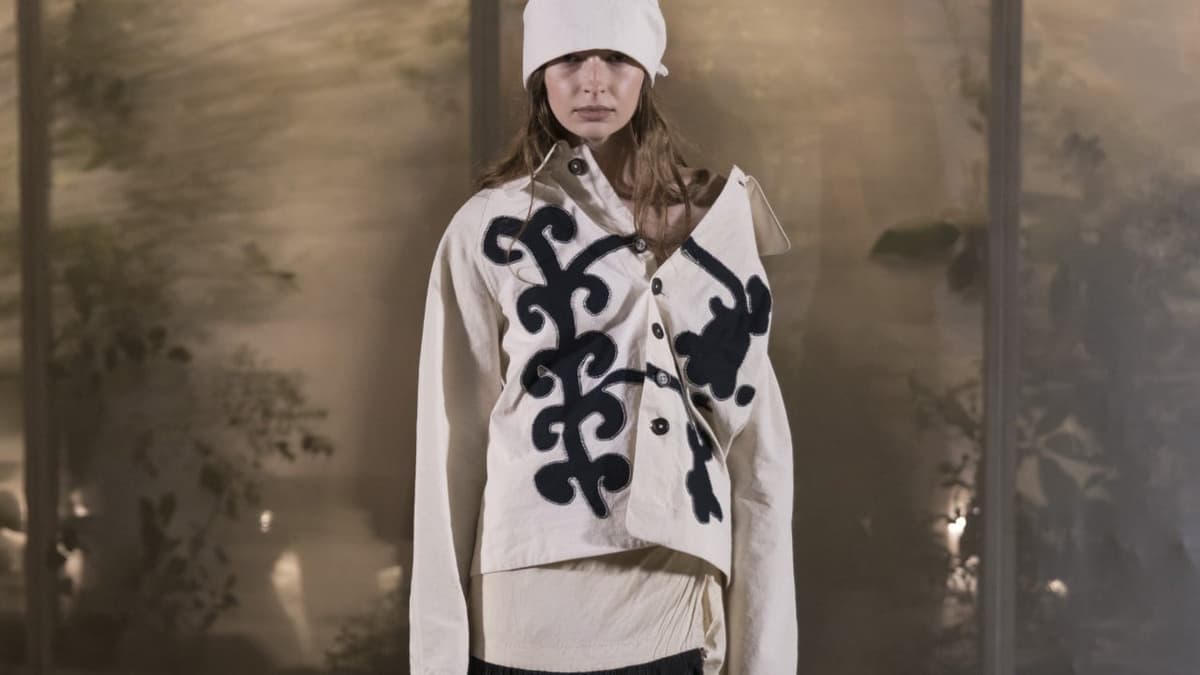
From Guangdong to New Mexico, Craft-Focused Brands Are Shaping Fashion’s Future
Companies Mentioned
Why It Matters
Craft‑centric design links sustainability with premium pricing, giving luxury brands a new growth engine while preserving endangered artisanal skills.
Key Takeaways
- •Bode uses up‑cycled antique fabrics for modern, story‑rich garments.
- •Diotima showcases Jamaican crochet and macramé in contemporary collections.
- •Josh Tafoya revives Rio Grande weaving, blending heritage with bold silhouettes.
- •Kinyan Lam employs natural dyes from Guangdong, limiting production to 400 pieces.
- •Suket Dhir transforms Indian Jamdani muslin into Lego‑inspired shirts.
Pulse Analysis
The fashion industry is witnessing a shift from mass‑produced aesthetics to craft‑centric narratives, driven by consumers who value provenance and sustainability. Heritage techniques—whether the up‑cycling of antique textiles by Bode or the Jamaican crochet of Diotima—offer a tangible link to history, turning each garment into a collectible artifact. This authenticity resonates with a market willing to pay a premium for pieces that tell a story, reinforcing the notion that craftsmanship is now a currency as valuable as brand name.
Across continents, designers are forging partnerships with local artisans to revive fading skills. Josh Tafoya’s reinterpretation of Rio Grande weaving blends bold silhouettes with centuries‑old methods, while Kinyan Lam’s natural dyes sourced from Guangdong’s villages limit his seasonal output to 400 pieces, creating scarcity and exclusivity. In India, Suket Dhir and Kartik Research reimagine Jamdani muslin, Banarasi brocades, and Kantha embroidery, translating them into contemporary silhouettes that attract both collectors and everyday shoppers. These collaborations not only preserve cultural heritage but also inject vital income into artisan economies.
Looking ahead, the integration of craft into high fashion could redefine luxury’s supply chain, emphasizing slow production, traceability, and ethical sourcing. Brands that successfully scale these labor‑intensive processes may unlock new revenue streams while meeting ESG expectations. However, the limited‑run nature of handcrafted pieces poses challenges for mass adoption, pushing the industry toward hybrid models that blend artisanal detail with innovative manufacturing. As consumer demand for meaningful, sustainable fashion grows, craft‑focused labels are poised to shape the next chapter of the luxury market.
From Guangdong to New Mexico, craft-focused brands are shaping fashion’s future
Comments
Want to join the conversation?
Loading comments...