Hermès, Gucci and Louis Vuitton Turn Fuorisalone Into Luxury Showcases at Milan Design Week


Why It Matters
The convergence of fashion and design at Fuorisalone signals a strategic shift for luxury houses seeking deeper engagement with affluent consumers who value immersive, lifestyle‑oriented experiences. By positioning themselves within a design context, brands like Hermès, Gucci and Louis Vuitton can showcase craftsmanship, heritage and innovation in a setting that extends beyond clothing, potentially unlocking new revenue streams in home décor and furniture. This trend also redefines Milan’s cultural identity, reinforcing its status as a hub where fashion and design intersect, and prompting other luxury sectors to explore similar cross‑disciplinary collaborations. For investors and analysts, the move highlights a diversification of brand touchpoints that could mitigate the volatility of seasonal fashion cycles. Immersive installations generate media buzz, social media amplification and foot traffic that translate into heightened brand equity. As luxury consumers increasingly prioritize experiential purchases, the success of these installations may influence future allocation of marketing spend toward experiential retail and design partnerships, reshaping the competitive landscape of the luxury market.
Key Takeaways
- •Hermès, Gucci and Louis Vuitton unveiled luxury installations at Milan’s Fuorisalone from April 20‑26, 2026
- •Gucci’s “Memoria” exhibition, curated by Demna, reinterprets 105 years of brand history in a 16th‑century cloister
- •Hermès presented a new furniture, textile and home‑object collection designed by Charlotte Macaux Perelman and Alexis Fabry
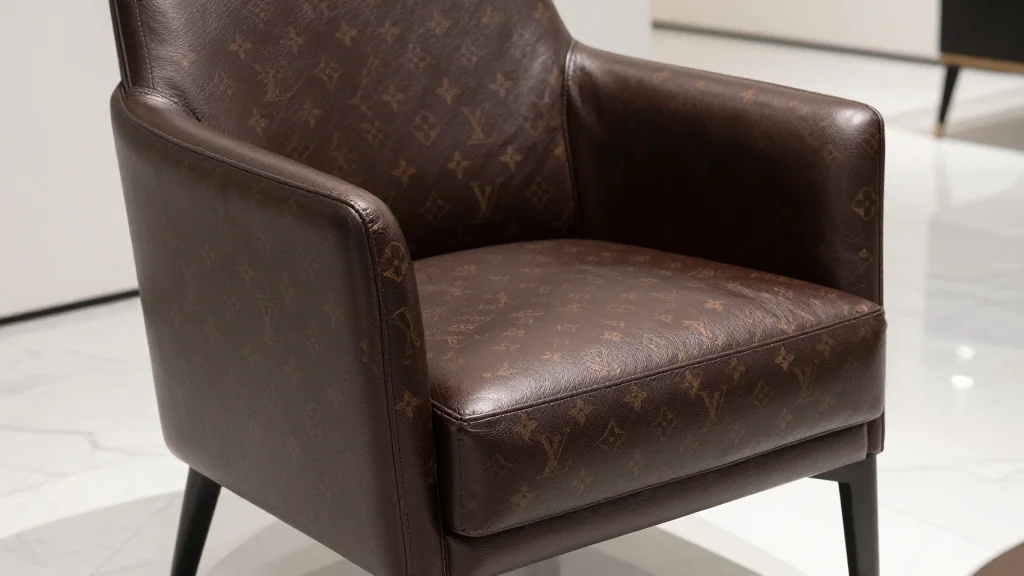
- •Louis Vuitton’s homage to Pierre Legrain featured a re‑edition of the ebony‑lacquered toilett and new “Objets Nomades” pieces
- •The installations reflect a broader trend of luxury fashion houses entering the design arena to create immersive brand experiences
Pulse Analysis
The Fuorisalone installations mark a decisive moment in the luxury sector’s evolution from product‑centric to experience‑centric branding. Historically, fashion houses have relied on runway shows and flagship stores to convey narrative; now, they are borrowing the language of design exhibitions to craft environments where heritage and innovation coexist. This approach aligns with the rising consumer appetite for lifestyle integration—where a client’s wardrobe, home, and personal spaces reflect a cohesive aesthetic.
From a competitive standpoint, the three maisons are leveraging their distinct brand DNA to differentiate within a crowded luxury market. Hermès emphasizes artisanal craftsmanship, translating its equestrian legacy into furniture and textiles that appeal to connoisseurs of fine materials. Gucci, under Demna’s direction, leans into storytelling, using archival material as a living canvas to reinforce its cultural relevance. Louis Vuitton, by revisiting Pierre Legrain, taps into the nostalgia for Art Déco, positioning itself as a custodian of design heritage. Each strategy not only reinforces brand equity but also opens ancillary product lines that can diversify revenue.
Looking ahead, the success of these installations could catalyze a new wave of cross‑industry collaborations. Luxury watchmakers, automotive brands, and even high‑end tech firms may seek similar footholds in design fairs to reach affluent audiences in a context that feels less transactional and more experiential. For investors, the key metric will be whether these immersive experiences translate into measurable sales uplift or simply serve as brand‑building exercises. As the luxury sector continues to navigate post‑pandemic consumer behavior, the ability to create compelling, multi‑sensory environments may become a decisive competitive advantage.
Hermès, Gucci and Louis Vuitton Turn Fuorisalone into Luxury Showcases at Milan Design Week
Comments
Want to join the conversation?
Loading comments...