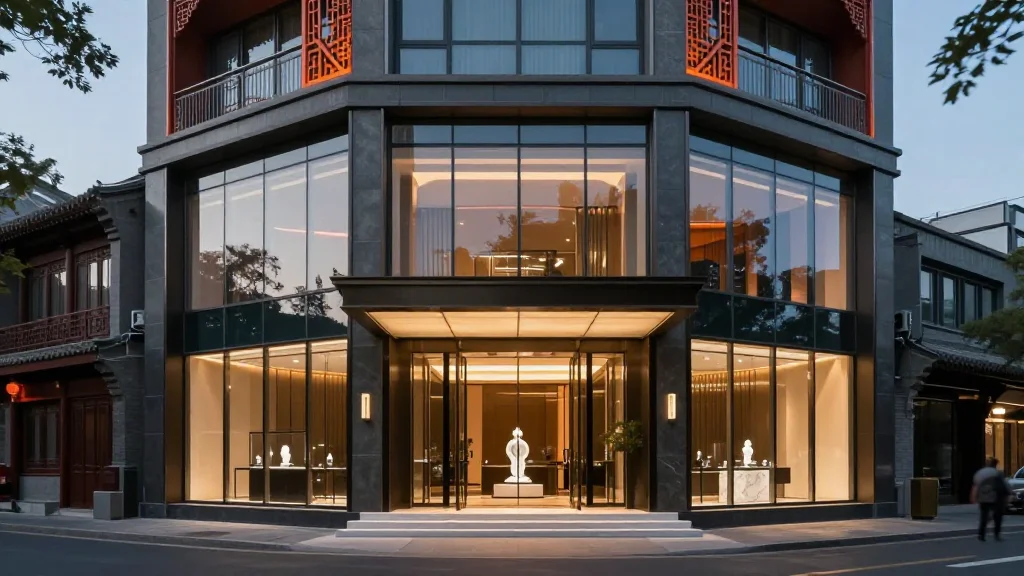
Hermès Opens Five‑Story Flagship in Beijing’s Sanlitun, Fulfilling Family Promise


Why It Matters
The Beijing flagship marks a pivotal moment for Hermès and the broader luxury sector, illustrating how heritage brands are adapting to China’s evolving consumer landscape. By embedding local cultural references into its architecture and product mix, Hermès not only honors its own legacy but also demonstrates a nuanced understanding of Chinese shoppers who value authenticity and experiential depth. The store’s fully local supply chain underscores a shift toward sustainability and community engagement, aligning with growing expectations among affluent Chinese consumers for brands to contribute positively to the local economy. As other luxury houses replicate this model, the competitive dynamics of flagship retail in China will increasingly hinge on cultural resonance and experiential differentiation rather than mere brand recognition.
Key Takeaways
- •Hermès opens its first standalone Beijing flagship in Sanlitun, a five‑story boutique.
- •Design by RDAI and Mamou‑Mani Architects incorporates Beijing’s ‘bird‑cage’ motif and Forbidden City references.
- •All fixtures and furnishings were produced locally, supporting Chinese craftsmanship.
- •The launch fulfills a promise made by the late Jean‑Louis Dumas three decades ago.
- •Hermès aims to open additional flagship stores in other Tier‑1 Chinese cities within two years.
Pulse Analysis
Hermès’ Sanlitun flagship is a strategic masterstroke that leverages both brand heritage and localized storytelling to deepen its foothold in China’s luxury market. Historically, the French maison has relied on a network of boutiques within high‑end department stores, but the shift to purpose‑built flagships reflects a broader industry pivot toward immersive retail experiences. By embedding Chinese cultural symbols—such as the bird‑cage façade and imperial colour schemes—Hermès differentiates itself from competitors that often adopt a more generic global aesthetic.
From a financial perspective, the flagship is likely to lift same‑store sales in Beijing, a market that has rebounded strongly after pandemic‑related slowdowns. The emphasis on locally sourced materials also mitigates supply‑chain risk and aligns with sustainability narratives that are increasingly important to Chinese high‑net‑worth consumers. Moreover, the boutique’s size and design enable Hermès to showcase its full product range, from haute couture leather goods to limited‑edition silk scarves, encouraging higher basket sizes and cross‑selling opportunities.
Looking ahead, Hermès’ rollout plan for additional flagships suggests a calibrated expansion that balances real‑estate costs with brand equity gains. The Beijing store serves as a prototype for future locations, where the integration of digital concierge tools and sustainable materials will likely become standard. As Chinese luxury shoppers continue to prioritize experiential depth and cultural relevance, Hermès’ approach could set a new benchmark for how heritage brands navigate the nuanced demands of the world’s most lucrative luxury market.
Hermès Opens Five‑Story Flagship in Beijing’s Sanlitun, Fulfilling Family Promise
Comments
Want to join the conversation?
Loading comments...