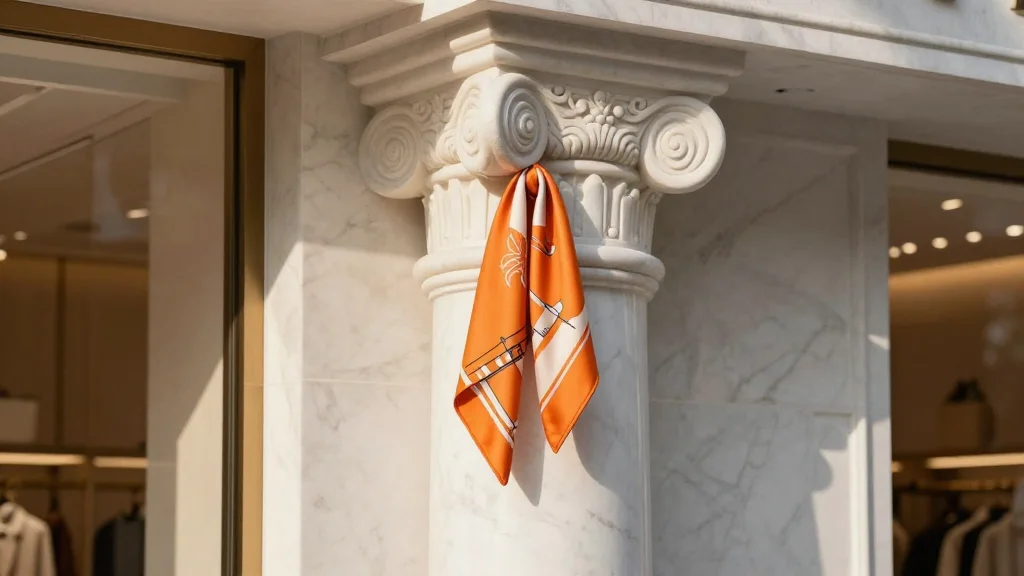
Hermès Unveils First Standalone Flagship Boutique in Beijing, Fulfilling Founder’s Vision

Companies Mentioned
Why It Matters
The Beijing flagship underscores Hermès’ belief that physical retail remains a vital conduit for luxury storytelling, especially in a market where digital engagement alone cannot convey the tactile allure of high‑end goods. By embedding local craftsmanship into its flagship, Hermès not only honors Chinese cultural heritage but also differentiates itself from competitors that rely heavily on imported design. This approach could reshape how luxury houses balance global brand DNA with regional authenticity, influencing future store concepts worldwide. Moreover, the opening arrives at a time when many luxury firms are reassessing their China strategies amid economic uncertainty. Hermès’ decisive investment signals confidence that the Chinese affluent segment will continue to drive growth, potentially prompting rivals to accelerate their own flagship projects or deepen local collaborations.
Key Takeaways
- •Hermès opened its first standalone flagship boutique in Beijing, fulfilling a promise by late founder Jean‑Louis Dumas
- •The store’s façade features a metal "bird‑cage" design with rose‑pink and terracotta tiles, created by RDAI and Mamou‑Mani Architects
- •Interior design draws on Forbidden City motifs, with locally produced furniture and carpets
- •Art installation by Chinese artist Liu Jianhua integrates ceramic petals and marble roundels
- •The boutique is part of Hermès’ broader China expansion, including renovations in Chengdu and other tier‑2 cities
Pulse Analysis
Hermès’ Beijing flagship illustrates a nuanced shift in luxury retail: the convergence of heritage storytelling with hyper‑local execution. Historically, luxury houses have relied on iconic, often imported, store designs to project a universal brand aura. Hermès, however, is redefining that playbook by embedding Chinese cultural symbols and sourcing construction locally, thereby creating a hybrid identity that feels both globally consistent and regionally resonant. This strategy mitigates the risk of cultural disconnect that can alienate discerning Chinese consumers, while also reinforcing the brand’s narrative of craftsmanship.
From a competitive standpoint, the move puts pressure on peers such as Louis Vuitton and Gucci, which have also opened flagship stores in Beijing but have leaned more heavily on Paris‑centric design language. Hermès’ emphasis on local artisanship could inspire a wave of co‑creation models, where luxury brands partner with regional designers and manufacturers to produce store elements that speak directly to local sensibilities. Such collaborations may become a differentiator in a market where consumers increasingly value authenticity over mere brand cachet.
Looking forward, the success of the Beijing flagship will likely be measured not just by foot traffic but by its ability to deepen brand loyalty among China’s affluent shoppers. If Hermès can translate the immersive, culturally attuned experience into sustained sales across its product categories, it may set a benchmark for how luxury houses navigate the post‑pandemic retail landscape—where experiential, tactile engagement is essential, yet must be tailored to local narratives. The next few quarters will reveal whether this model can be replicated profitably in other high‑growth markets, or if it remains a Beijing‑specific experiment.
Hermès Unveils First Standalone Flagship Boutique in Beijing, Fulfilling Founder’s Vision
Comments
Want to join the conversation?
Loading comments...