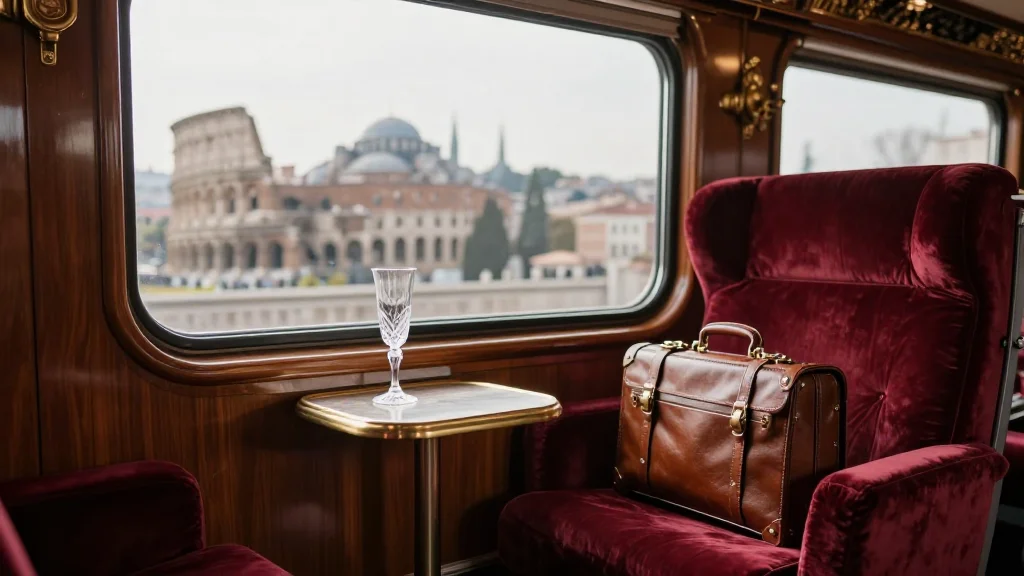
La Dolce Vita Orient Express Debuts €20,000 Rome‑to‑Istanbul Luxury Train Journey

Why It Matters
The new Orient Express route signals a renewed appetite for ultra‑luxury, experience‑driven travel among high‑net‑worth individuals. By marrying historic brand equity with contemporary Italian design and top‑tier gastronomy, the service illustrates how legacy brands can reinvent themselves for a new generation of affluent consumers. Moreover, the venture highlights the tension between indulgent luxury offerings and growing sustainability expectations, a dynamic that will shape the future of high‑end travel. If the Rome‑to‑Istanbul journey proves successful, it could spur other heritage rail operators to launch similarly priced, experience‑focused itineraries, intensifying competition in a niche yet lucrative market segment. The outcome may also influence how luxury travel firms balance heritage storytelling with environmental responsibility, setting new standards for the industry.
Key Takeaways
- •Launch date: 22 October 2026, first departure from Rome Ostiense station
- •Ticket price: €20,000 (≈$21,800) for a five‑day, four‑night journey
- •Route: Rome → Venice → Budapest → Istanbul, with curated city excursions
- •Design: Interiors by Dimorestudio, lounge by architect Hugo Toro
- •Cuisine: Menus by three‑Michelin‑starred chef Heinz Beck
Pulse Analysis
La Dolce Vita Orient Express’s entry into the ultra‑luxury rail market reflects a strategic pivot toward experience‑centric offerings that command premium pricing. Historically, the Orient Express name has been synonymous with opulent travel, but the brand’s recent dormancy left a gap that modern luxury consumers are eager to fill. By integrating contemporary Italian aesthetics and Michelin‑starred gastronomy, the new service differentiates itself from competitors that rely primarily on heritage nostalgia.
The pricing strategy—€20,000 per seat—positions the train alongside the world’s most exclusive travel products, targeting a narrow but affluent demographic that values exclusivity over cost. This approach aligns with a broader trend where luxury brands are moving away from mass‑market diffusion and focusing on hyper‑personalized, limited‑edition experiences. However, the high price also raises the bar for service expectations, compelling the operator to deliver flawless execution across hospitality, culinary, and itinerary design.
Sustainability will be a decisive factor in the venture’s long‑term viability. While the luxury segment traditionally tolerates higher environmental footprints, the growing eco‑consciousness among wealthy travelers is reshaping purchase decisions. If La Dolce Vita Orient Express can demonstrate a credible green plan—such as carbon offsetting, use of bio‑fuels, or future electrification—it will not only mitigate criticism but also set a benchmark for other luxury rail operators. The success or failure of this inaugural route will likely influence how heritage travel brands balance nostalgia, modern luxury, and sustainability in the years ahead.
La Dolce Vita Orient Express Debuts €20,000 Rome‑to‑Istanbul Luxury Train Journey
Comments
Want to join the conversation?
Loading comments...