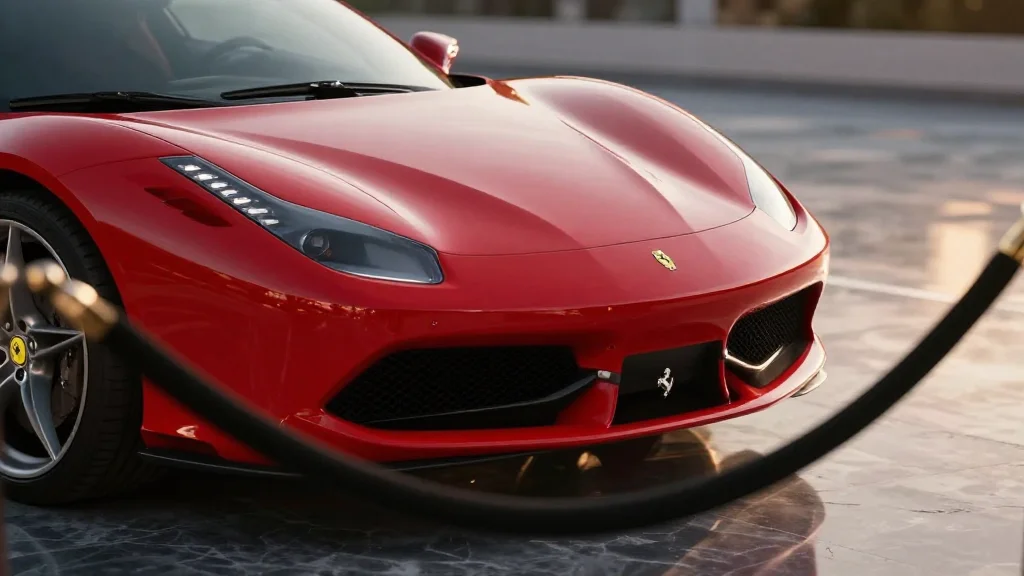
Why Ferrari Is Unlike Any Other Luxury Brand, According to the Hosts of ‘Acquired’
Companies Mentioned
Why It Matters
Ferrari’s scarcity‑driven strategy fuels outsized margins and investor appeal, reshaping how luxury automakers monetize brand equity. It demonstrates that controlled supply can be a more powerful growth lever than volume expansion.
Key Takeaways
- •Ferrari caps annual production at ~9,000 units to preserve scarcity
- •Cars sell above $300,000, often exceeding $500,000 for limited editions
- •Brand equity drives resale values that outpace most luxury competitors
- •Ferrari’s strategy yields profit margins above 20%, attracting institutional investors
Pulse Analysis
Ferrari’s approach to luxury is built on a paradox: fewer cars generate more revenue. By deliberately restricting output to around nine thousand units annually, the marque cultivates a sense of rarity that fuels both primary sales and a vibrant secondary market. Collectors are willing to pay premiums well above the sticker price, knowing that each vehicle’s scarcity will preserve, if not enhance, its value over time. This model contrasts sharply with mass‑market automakers that chase volume, highlighting how brand mystique can become a core financial engine.
Financially, the scarcity play translates into impressive profitability. Ferrari consistently posts operating margins north of 20%, a figure that dwarfs many peers in the premium automotive segment. The company’s revenue mix leans heavily on high‑margin vehicle sales, while ancillary streams—such as licensing, merchandising, and exclusive events—further bolster earnings. Investors have rewarded this performance with a premium valuation, and the stock often trades at multiples comparable to elite luxury houses rather than traditional car makers. The firm’s ability to command such pricing power underscores the strategic value of brand equity in a capital‑intensive industry.
Looking ahead, Ferrari faces the challenge of preserving its exclusivity while navigating the industry’s shift toward electrification. Plans for hybrid and fully electric models must balance performance expectations with the brand’s heritage of raw, combustion‑driven excitement. If executed correctly, new powertrains could expand the customer base without diluting the aura of scarcity. Maintaining tight production controls, selective distribution, and a relentless focus on experiential branding will be essential to keep Ferrari at the apex of luxury automotive performance.
Why Ferrari Is Unlike Any Other Luxury Brand, According to the Hosts of ‘Acquired’
Comments
Want to join the conversation?
Loading comments...