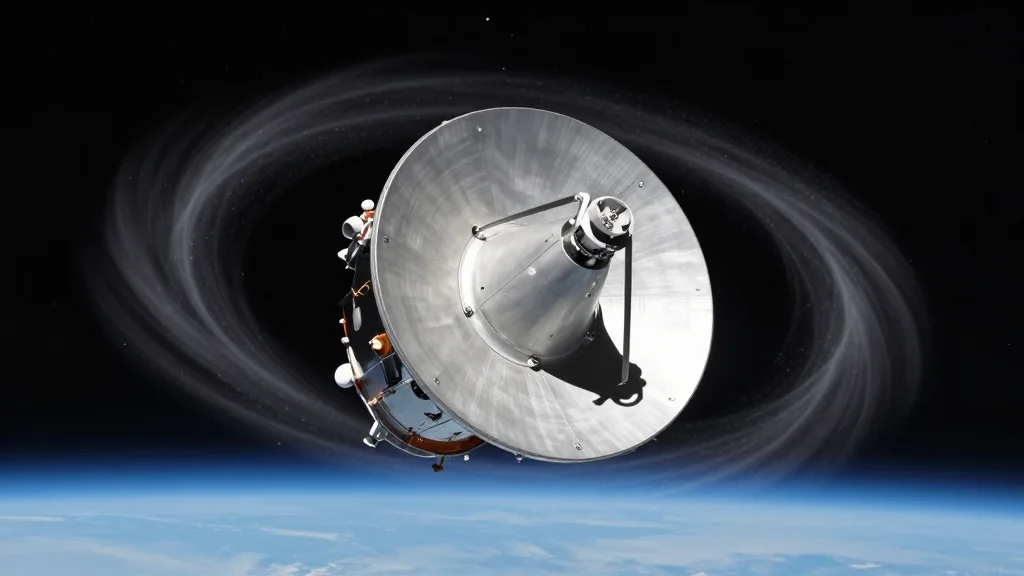
Amazon to Acquire Globalstar for $11.57 B, Boosting Satellite Cellular Reach

Companies Mentioned
Why It Matters
Amazon’s purchase of Globalstar represents a convergence of cloud computing, e‑commerce, and space infrastructure, creating a new competitive frontier for global connectivity. By securing both satellite assets and valuable spectrum, Amazon can offer end‑to‑end services that combine broadband and cellular coverage, challenging incumbent satellite operators and potentially lowering costs for enterprise customers. The deal also underscores the growing importance of regulatory approval in space‑related transactions, as governments seek to balance innovation with competition and national security concerns. For the broader M&A landscape, the transaction illustrates how non‑traditional players are leveraging large cash reserves to acquire specialized technology assets, accelerating vertical integration. The outcome will likely influence valuation benchmarks for satellite operators and could spur a wave of similar deals as other tech firms seek to control the full stack of connectivity services.
Key Takeaways
- •Amazon to buy Globalstar for $11.57 billion, with a $90 cash per share or 0.3210 Amazon share option.
- •Deal closes in 2027, subject to regulatory approvals and satellite replacement milestones.
- •Globalstar’s 2025 revenue was $273 million; it operates 90 new antennas at 35 stations in 25 countries.
- •Acquisition adds 11.5 MHz of S‑Band spectrum (Band 53/n53) to Amazon’s portfolio.
- •57.6% of Globalstar’s voting power has already approved the transaction, eliminating a separate shareholder vote.
Pulse Analysis
Amazon’s entry into the satellite‑cellular arena is a strategic move to control more of the connectivity value chain. By integrating Globalstar’s MSS spectrum and ground infrastructure with its Leo broadband platform, Amazon can offer a unified service that bridges the gap between traditional satellite internet and terrestrial cellular networks. This could lower latency and expand coverage for IoT and edge‑computing applications, areas where Amazon Web Services is already a dominant player.
Historically, satellite operators have operated as niche providers, but the influx of capital from tech giants is shifting the paradigm. Amazon’s financial muscle allows it to absorb the high upfront costs of satellite replacement while leveraging its cloud and logistics expertise to monetize the network more efficiently. If the merger proceeds without major regulatory roadblocks, it could set a precedent for future acquisitions where data‑centric companies acquire space assets to enhance service offerings.
Looking ahead, the success of the deal will hinge on Amazon’s ability to meet Globalstar’s satellite deployment milestones and navigate antitrust scrutiny. Failure to do so could delay the integration and erode the projected synergies. Conversely, a smooth closing could accelerate the rollout of satellite‑cellular services, pressuring incumbents to innovate or consolidate. The transaction thus serves as a bellwether for how quickly the satellite communications market will evolve under the influence of cloud and e‑commerce powerhouses.
Amazon to Acquire Globalstar for $11.57 B, Boosting Satellite Cellular Reach
Comments
Want to join the conversation?
Loading comments...