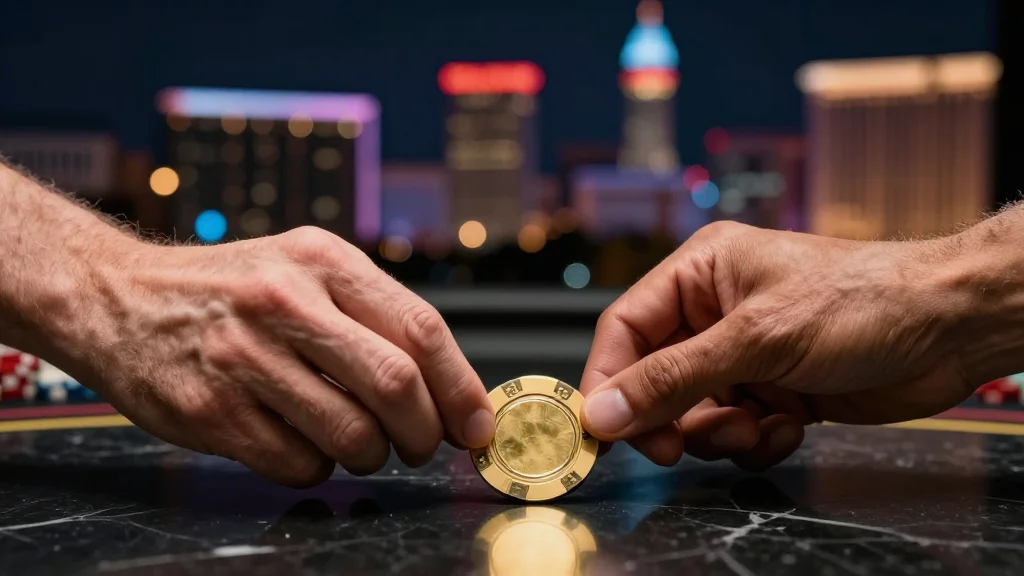
Two American Tycoons Are Betting Big on a Casino Revival
Companies Mentioned
Why It Matters
Taking Caesars and MGM private could accelerate consolidation, boost operational efficiencies, and reshape competition in the U.S. gaming industry.
Key Takeaways
- •Tilman Fertitta's $17.6 bn acquisition targets Caesars' 50+ resorts.
- •Barry Diller's bid values MGM Resorts at over $18 bn.
- •Both deals could shift Las Vegas ownership to private investors.
- •Potential consolidation may boost operational efficiencies and capital spending.
- •Industry watchers anticipate heightened competition for high‑roller clientele.
Pulse Analysis
The U.S. casino sector has been in a rebuilding phase since the pandemic, with revenue growth modestly outpacing pre‑COVID levels. Las Vegas, the industry's bellwether, has seen a surge in visitor spending and a renewed focus on integrated resort experiences. Against this backdrop, two of the largest publicly traded casino operators—Caesars Entertainment and MGM Resorts—have attracted the attention of private‑wealth investors. The timing suggests that capital‑rich tycoons see an opportunity to capture upside by taking these assets off the public market, where valuation volatility can be a drag.
Tilman Fertitta, the billionaire behind Landry’s hospitality empire, disclosed a $17.6 billion agreement to acquire Caesars Entertainment, adding more than 50 hotel‑casino properties to his portfolio. Fertitta’s strategy hinges on leveraging Landry’s operational expertise to streamline cost structures and cross‑sell its restaurant and entertainment brands. Four days later, media magnate Barry Diller entered the fray with a bid exceeding $18 billion for MGM Resorts, a company renowned for its luxury properties and strong loyalty program. Diller’s bid reflects a belief that MGM’s brand equity can be amplified under private ownership.
If both transactions close, the ownership landscape of the Strip could shift dramatically, concentrating control among two private investors. Such consolidation may spur aggressive capital investment in technology, gaming innovation, and non‑gaming amenities, potentially raising the competitive bar for remaining public operators. However, the deals also raise questions about debt financing, regulatory approval, and the impact on shareholders who stand to lose liquidity. Analysts will watch how these moves influence market sentiment, as a successful private takeover could trigger a wave of similar bids across the broader hospitality and entertainment sectors.
Two American tycoons are betting big on a casino revival
Comments
Want to join the conversation?
Loading comments...