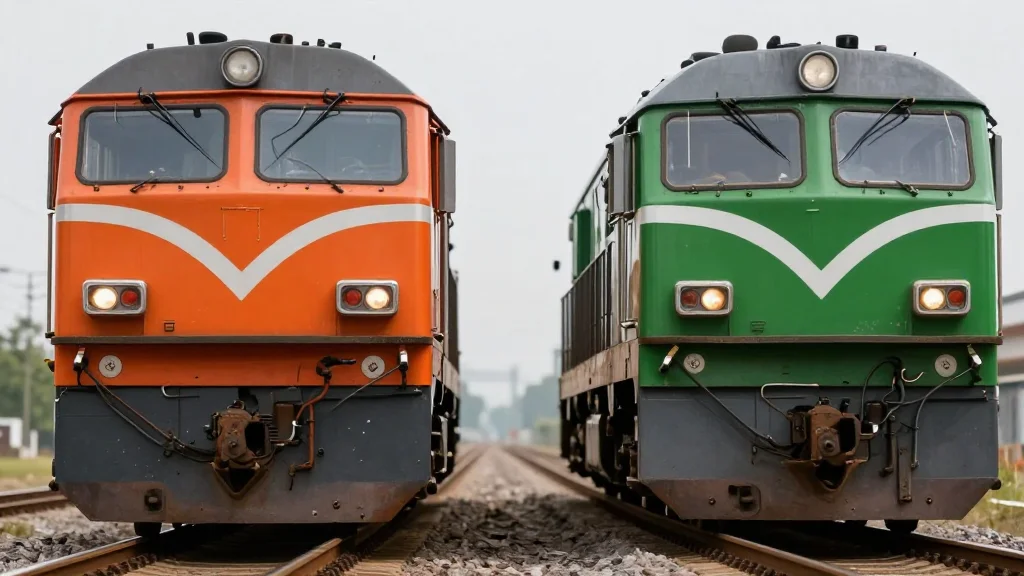
Union Pacific Pushes for Regulator Approval of $85 B Norfolk Southern Acquisition

Companies Mentioned
Why It Matters
The merger would create the largest freight railroad in the United States, reshaping the competitive dynamics of a sector that moves roughly 40% of the nation’s goods. A dominant carrier could wield significant pricing power, affecting everything from farm produce to manufactured components, and thereby influencing inflationary pressures across the economy. Moreover, the deal tests the STB’s ability to balance efficiency gains against antitrust principles in an industry where network effects are profound. Beyond immediate pricing concerns, the transaction sets a precedent for future mega‑mergers in capital‑intensive infrastructure sectors. A favorable ruling could embolden other consolidations, while a stringent decision may reinforce regulatory scrutiny, preserving a more fragmented rail market that some argue promotes resilience and competition.
Key Takeaways
- •Union Pacific filed a revised $85 billion merger application for Norfolk Southern on Thursday.
- •STB previously rejected the initial filing, demanding more detail on competitive impacts.
- •A $750 million breakup fee is stipulated if the deal is blocked or heavily conditioned.
- •BNSF CEO Katie Farmer warned the merger could raise rates and destabilize supply chains.
- •If approved, the combined railroad would control about 40% of U.S. freight rail volume.
Pulse Analysis
The UP‑NS proposal arrives at a time when Wall Street is eager for high‑return, asset‑heavy deals, yet regulators remain cautious after the chaotic integration of past rail mergers like Burlington Northern‑Santa Fe. The $85 billion price tag reflects both the strategic value of a coast‑to‑coast network and the premium investors are willing to pay for scale in a low‑margin, high‑volume industry. Union Pacific’s argument hinges on operational efficiencies—faster transit times and a shift of truck traffic to rail—benefits that are quantifiable but may be offset by reduced competitive pressure.
Historically, the STB has imposed divestitures or mandated trackage‑rights agreements to preserve competition. In this case, potential remedies could include carving out certain high‑traffic corridors or granting rivals access to key routes. Such concessions would dilute the merger’s projected cost savings but might be necessary to secure approval. The coalition of BNSF, CPKC, and industry groups underscores that the rail sector is not monolithic; competing carriers are prepared to mobilize political and public‑policy arguments to protect their market share.
Looking ahead, the decision will reverberate beyond railroads. A cleared merger could accelerate consolidation across other regulated infrastructure domains—energy pipelines, ports, and telecommunications—where economies of scale are prized but antitrust concerns loom large. Conversely, a rebuff could signal a regulatory reset, prompting large carriers to pursue organic growth or smaller, targeted acquisitions instead of headline‑grabbing mega‑deals. Stakeholders should monitor the STB’s timeline closely, as any delay or conditional approval will shape capital‑allocation strategies across the logistics ecosystem.
Union Pacific pushes for regulator approval of $85 B Norfolk Southern acquisition
Comments
Want to join the conversation?
Loading comments...