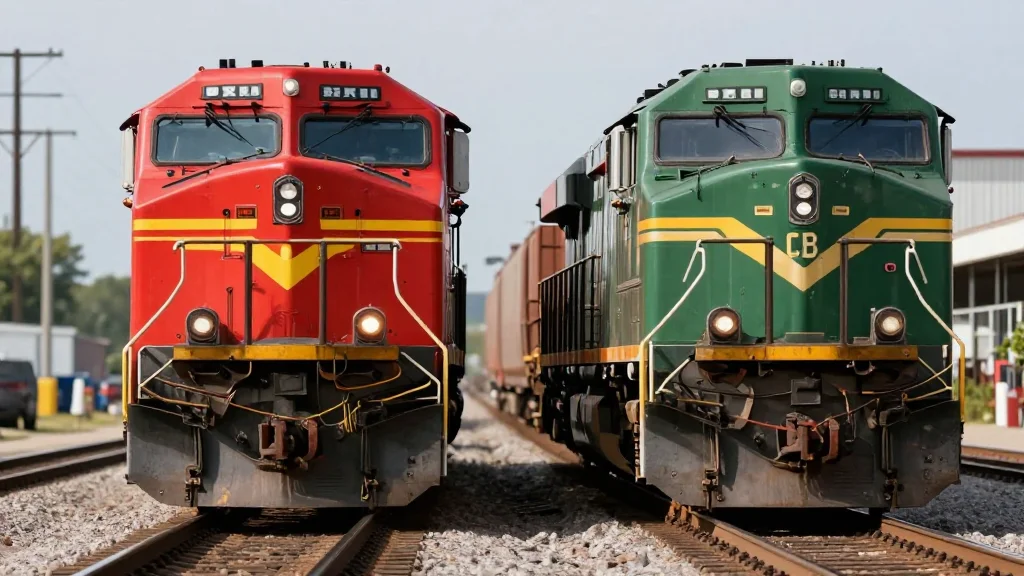
UP, NS Revised Merger Application Moves Ahead
Companies Mentioned
Why It Matters
The merger would create a freight rail giant controlling nearly half of U.S. rail mileage, reshaping pricing dynamics and service competition for shippers nationwide.
Key Takeaways
- •STB accepted UP-NS revised merger filing on April 30, 2026.
- •Railroads must provide supplemental details by July 27, 2026.
- •Board retains 12‑month deadline to complete evidentiary proceedings.
- •Competitors fear higher rates and reduced competition post‑merger.
- •UP pledges close cooperation with STB to address stakeholder concerns.
Pulse Analysis
The proposed union of Union Pacific (UP) and Norfolk Southern (NS) represents the most ambitious consolidation in North American freight rail in decades. After the Surface Transportation Board (STB) dismissed the original December 2025 filing for lacking required data, the two carriers resubmitted a revised application on April 30, 2026. The board’s decision to accept the new filing, despite noting gaps in detail, signals a willingness to keep the merger on the agenda while demanding additional information. If approved, the combined entity would control roughly 45 percent of the nation’s rail mileage, reshaping service networks and operational scale.
The STB has set a firm deadline: supplemental details must be filed by July 27, 2026, and the board has twelve months from acceptance to complete its evidentiary proceedings. Regulators are focusing on two core issues—whether the merger will enhance competition and how the parties will safeguard public benefits such as service reliability and rate stability. Rail competitors and shippers have voiced concerns that a single dominant player could drive up tariffs and diminish market choice. UP’s public statement emphasizes cooperation with the STB to address these objections and meet the statutory timeline.
Analysts see both upside and risk. Proponents argue that a merged UP‑NS could achieve economies of scale, invest in network upgrades, and offer more integrated service corridors, potentially lowering shipping costs for bulk commodities. Critics counter that reduced competition may erode bargaining power for large shippers and give the combined railroad leverage to raise rates, especially in regions with few alternative modes. The outcome will hinge on the STB’s final conditions, any required divestitures, and the ability of the new entity to demonstrate tangible public benefits while preserving competitive freight options.
UP, NS revised merger application moves ahead
Comments
Want to join the conversation?
Loading comments...