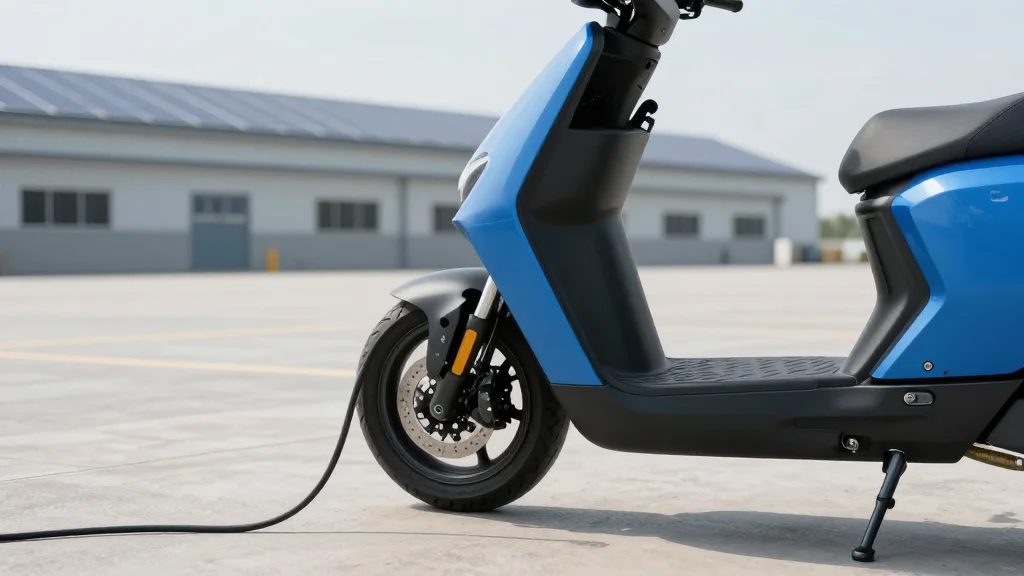
African EV Motorcycle Makers Scale Production as Adoption Hits 16% Share

Why It Matters
The rapid scaling of electric‑motorcycle production in Africa represents a pivotal shift in the continent’s manufacturing landscape. By localizing design and component sourcing, companies are building a domestic automotive supply chain that reduces import dependence and creates skilled jobs. The move also aligns with climate goals, as electric two‑wheelers cut fuel consumption and emissions in a sector that accounts for a significant share of urban transport. Furthermore, the success of financing models and battery‑as‑a‑service offerings demonstrates a viable pathway for low‑income riders to transition to cleaner mobility without prohibitive upfront costs. This could catalyze broader adoption of electric vehicles across other transport categories, reinforcing Africa’s role in the global clean‑tech ecosystem.
Key Takeaways
- •Spiro has deployed >100,000 electric motorcycles and built >2,500 swap stations across Africa.
- •More than 30 million battery swaps have been performed to date, highlighting extensive usage.
- •Electric motorcycles now hold 16%+ market share in Kenya, with tens of thousands sold annually continent‑wide.
- •Spiro’s acquisition of Coexlion adds a 28‑engineer team with experience on 25+ global two‑wheel programs.
- •Roam Air Gen 3 battery charges at 2 kW, delivering >1 km of range per minute and 20‑80% charge in under 40 minutes.
Pulse Analysis
The African electric‑motorcycle boom is more than a niche trend; it is a manufacturing inflection point that could reshape the continent’s industrial base. Historically, Africa’s automotive sector has been dominated by assembly plants for imported vehicles, with limited local parts production. The current wave of EV two‑wheelers flips that script by demanding bespoke engineering for high‑utilization, low‑cost transport. Companies like Spiro are leveraging global engineering talent—through acquisitions such as Coexlion—to accelerate product cycles while embedding local manufacturing capabilities. This hybrid model of global design expertise combined with African assembly could become a template for other sectors, from solar equipment to low‑cost medical devices.
From a market dynamics perspective, the convergence of three forces—high operating costs of ICE motorcycles, rider financing schemes, and battery‑as‑a‑service—creates a perfect storm for rapid adoption. Riders, who traditionally earn marginal profits, stand to gain substantially from lower total cost of ownership, while investors see a clear path to scale. The 16% market share in Kenya is a leading indicator; as neighboring markets replicate financing structures and regulatory incentives, the growth curve is likely to steepen.
Looking forward, the biggest challenge will be sustaining supply‑chain resilience. Battery components, especially high‑energy‑density cells, remain largely imported. If African manufacturers can develop local cell production or secure long‑term contracts with global suppliers, they will lock in cost advantages and reduce exposure to geopolitical shocks. Moreover, policy frameworks that support renewable energy integration for charging infrastructure will be critical. In sum, the current manufacturing surge is a catalyst that could usher in a new era of African‑led clean‑mobility, provided that ecosystem gaps in components, financing, and policy are addressed promptly.
African EV Motorcycle Makers Scale Production as Adoption Hits 16% Share
Comments
Want to join the conversation?
Loading comments...