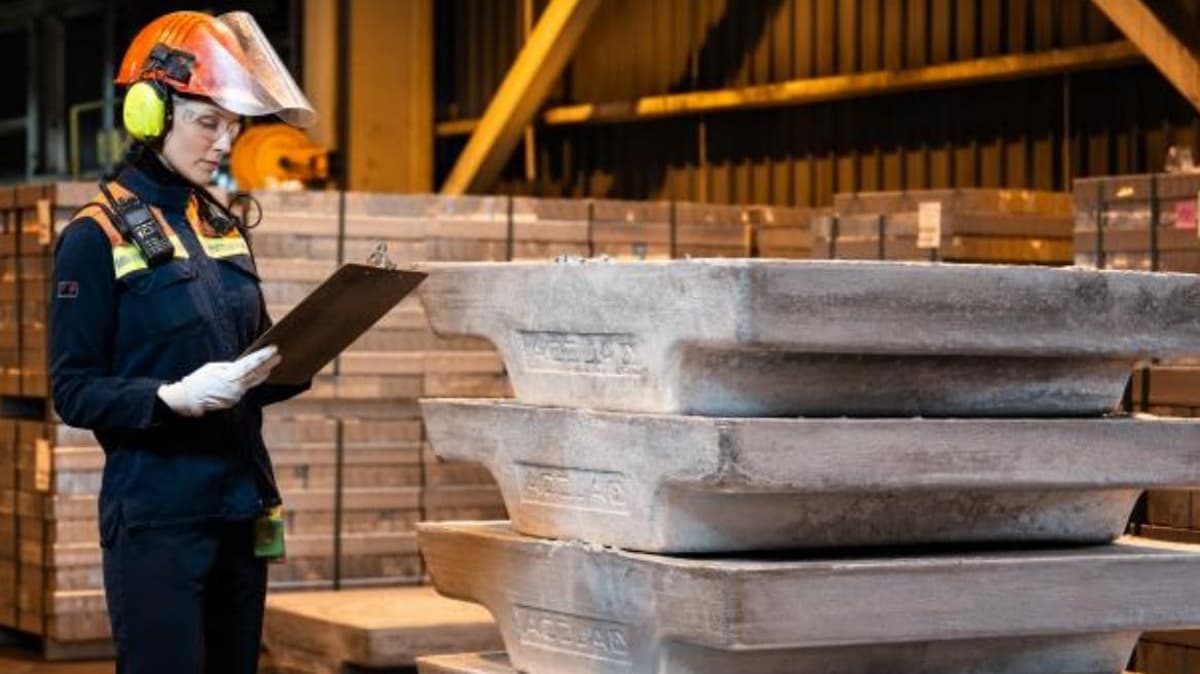
Alcoa Adding Aluminum Capacity to Offset War Outages
Why It Matters
Alcoa’s capacity push demonstrates how primary metal producers can monetize geopolitical disruptions, reshaping global aluminum supply and influencing pricing dynamics for downstream manufacturers.
Key Takeaways
- •Alcoa expands smelting at plants in Portland, Australia, Brazil, Norway, Spain
- •War‑related supply cuts in Middle East lift global aluminum premiums
- •Added capacity offsets slower 2026 growth and higher production costs
- •Warrick plant upgrade would need $100 million and two‑year timeline
- •Q1 profit $417 million on $3.2 billion sales; market cap $17.5 billion
Pulse Analysis
The February attack on Iran has reverberated through the aluminum market, choking output from the Middle East—today’s largest primary aluminum exporter. With shipments curtailed, buyers in Europe, North America and Asia have turned to alternative sources, driving regional price premiums that have risen sharply since spring. This supply shock has forced downstream manufacturers to prioritize certainty over cost, prompting a wave of spot‑order activity and prompting producers worldwide to reassess capacity strategies.
Alcoa’s response has been to accelerate capacity additions at its most flexible assets. New smelting lines in Portland, Australia’s Perth region, Brazil’s São Luís, Norway and Spain’s San Ciprián plant are now online or ramping, allowing the company to meet heightened demand for billets, slabs and foundry products. By reallocating inventory and leveraging excess capacity, Alcoa lifted its aluminum‑segment adjusted EBITDA to $694 million, cushioning a steep decline in its alumina business. The Warrick smelter in Indiana, however, remains a bottleneck; a $100 million investment and two‑year timeline are required to restore a fourth line, pending electricity availability.
For investors, Alcoa’s strategic expansion underscores a broader industry trend: commodity firms are capitalizing on geopolitical volatility to boost margins, even as they grapple with higher energy costs and regulatory uncertainty. The company’s market cap has nearly tripled to $17.5 billion, reflecting confidence in its ability to monetize premium pricing. Yet the long‑term outlook hinges on the resolution of Middle East tensions and the pace of renewable‑energy integration, which will dictate whether Alcoa can sustain its capacity growth without eroding profitability.
Alcoa Adding Aluminum Capacity to Offset War Outages
Comments
Want to join the conversation?
Loading comments...