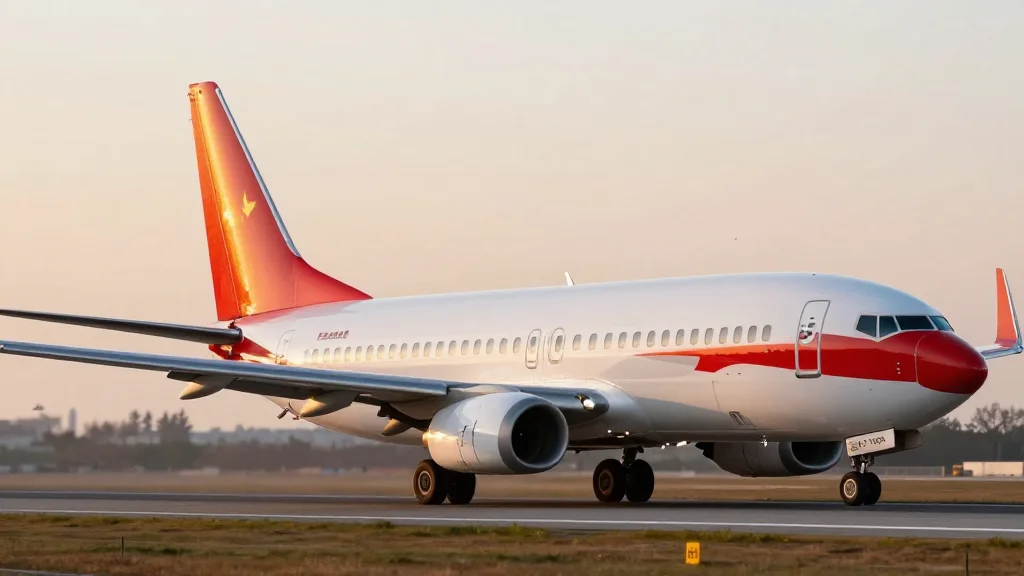
Boeing Secures 200‑Jet 737 Order From China, Boosting Production

Why It Matters
The 200‑jet order represents the largest single commercial aircraft purchase from China in recent years, directly expanding Boeing’s production capacity and reinforcing the United States’ position as a key supplier of civil aviation technology. For the broader manufacturing sector, the deal translates into a multi‑billion‑dollar boost for the supply chain, from engine manufacturers to raw‑material producers, and could accelerate the adoption of newer, more fuel‑efficient aircraft technologies across Asian carriers. Geopolitically, the transaction illustrates how high‑value trade can persist even amid strategic rivalry. By tying aerospace sales to broader economic engagement—such as agricultural imports—the agreement creates a mutual dependency that may temper future tensions, while also exposing the industry to policy shifts that could disrupt component flows or certification processes.
Key Takeaways
- •Boeing confirms China will purchase 200 Boeing 737 jets, valued at ~US$22 billion
- •The order lifts Boeing’s commercial backlog to a record $695 billion
- •Delivery slated to begin in late 2027, requiring a production ramp‑up at the Renton plant
- •Suppliers such as Spirit AeroSystems, CFM International, and aluminum/composite firms stand to see multi‑billion‑dollar demand spikes
- •The deal was highlighted in the US‑China summit’s joint statement alongside a pledge for Chinese agricultural imports
Pulse Analysis
Boeing’s new China order arrives at a pivotal moment for the commercial aerospace market. After a prolonged recovery from the 737 MAX grounding and pandemic‑induced demand shock, the company has been eager to replenish its order book and restore investor confidence. The 200‑jet contract not only adds a sizable chunk to the backlog but also signals that major carriers in China remain committed to Western‑built narrow‑body aircraft, despite the rise of domestic programs like COMAC’s C919. This preference reflects the 737’s proven operational economics and the extensive global support network Boeing offers.
From a competitive standpoint, the deal puts pressure on Airbus, which has been courting Chinese airlines with the A320neo family. If Boeing can deliver the jets on schedule and at competitive unit costs, it could lock in market share for the next decade, especially as Chinese carriers modernise fleets to meet stricter emissions standards. However, the agreement also re‑opens the debate over supply‑chain resilience. Recent disruptions—from the Spirit AeroSystems fire to semiconductor shortages—highlight the fragility of the aerospace ecosystem. Boeing will need to demonstrate that its newly integrated supply chain, bolstered by the Spirit acquisition, can sustain the accelerated output without compromising quality.
Finally, the geopolitical undercurrent cannot be ignored. The order is a tangible outcome of a brief thaw in US‑China relations, yet it remains vulnerable to policy reversals, export‑control tightening, or shifts in Chinese procurement strategy toward domestic alternatives. Investors should watch for any regulatory announcements from the State Department or the Commerce Department that could affect parts sourcing, as well as the pace of the definitive contract signing. In the short term, the order is a clear win for Boeing’s earnings outlook; in the longer view, its success will hinge on the company’s ability to navigate both manufacturing challenges and the broader strategic dance between Washington and Beijing.
Boeing Secures 200‑Jet 737 Order from China, Boosting Production
Comments
Want to join the conversation?
Loading comments...