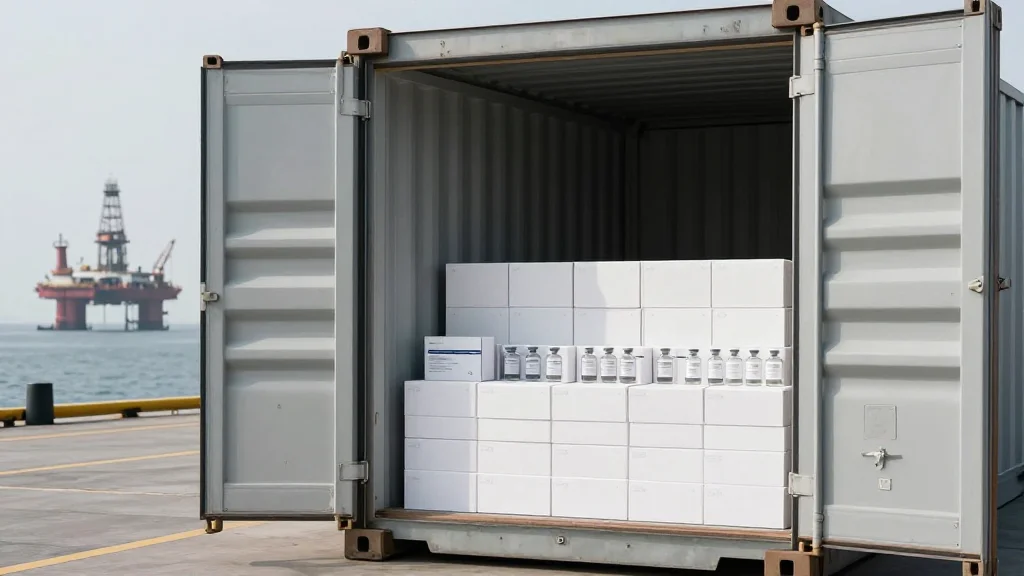
Dangerous Waters: Geopolitics, Supply Chains and Access to Medicines
Companies Mentioned

Why It Matters
Shortages directly threaten patient outcomes and national security, forcing governments to rethink pharma resilience. The policy shifts signal a lasting re‑configuration of global drug production and trade.
Key Takeaways
- •Drug shortages rose from 70 (2006) to 267 (2011) in US.
- •Middle East conflict halted 20% of global oil, 18% of air cargo.
- •US imports 68% of APIs; EU produces <50% of approved therapies locally.
- •US executive order creates API stockpile for 26 critical drugs.
- •EU Critical Medicines Act mandates stockpiles and on‑shoring of APIs.
Pulse Analysis
The pandemic exposed how fragile pharmaceutical supply chains can become when factories shut down and demand spikes. Even before COVID‑19, U.S. drug shortages more than tripled between 2006 and 2011, and European pharmacists reported daily shortages in 2014. The recent escalation in the Middle East has added a new layer of risk: the closure of the Straits of Hormuz disrupted 18% of air cargo, a critical conduit for temperature‑sensitive vaccines and biologics, while higher fuel costs have inflated raw‑material prices worldwide.
Supply chain geography is at the heart of the crisis. Over two‑thirds of active pharmaceutical ingredients (APIs) used in the United States are imported, primarily from Europe and India, and the EU manufactures less than half of its approved innovator and biosimilar therapies domestically. Recognizing this dependence, the Trump administration issued an executive order in August 2025 to create a strategic stockpile covering 26 essential drugs, and the EU enacted the Critical Medicines Act in early 2026 to fund both stockpiles and on‑shoring of API production. These initiatives aim to reduce import reliance but require substantial capital investment and time to bring new facilities up to GMP standards.
Looking ahead, the industry faces a prolonged transition. New manufacturing sites will need years to become operational, and geopolitical tensions are unlikely to disappear soon. Companies that diversify their sourcing, invest in regional production hubs, and collaborate with governments on stockpile strategies will be better positioned to safeguard patient access. Ultimately, the push for domestic capacity may reshape global pharma trade, creating a more fragmented but potentially more resilient landscape.
Dangerous waters: Geopolitics, supply chains and access to medicines
Comments
Want to join the conversation?
Loading comments...