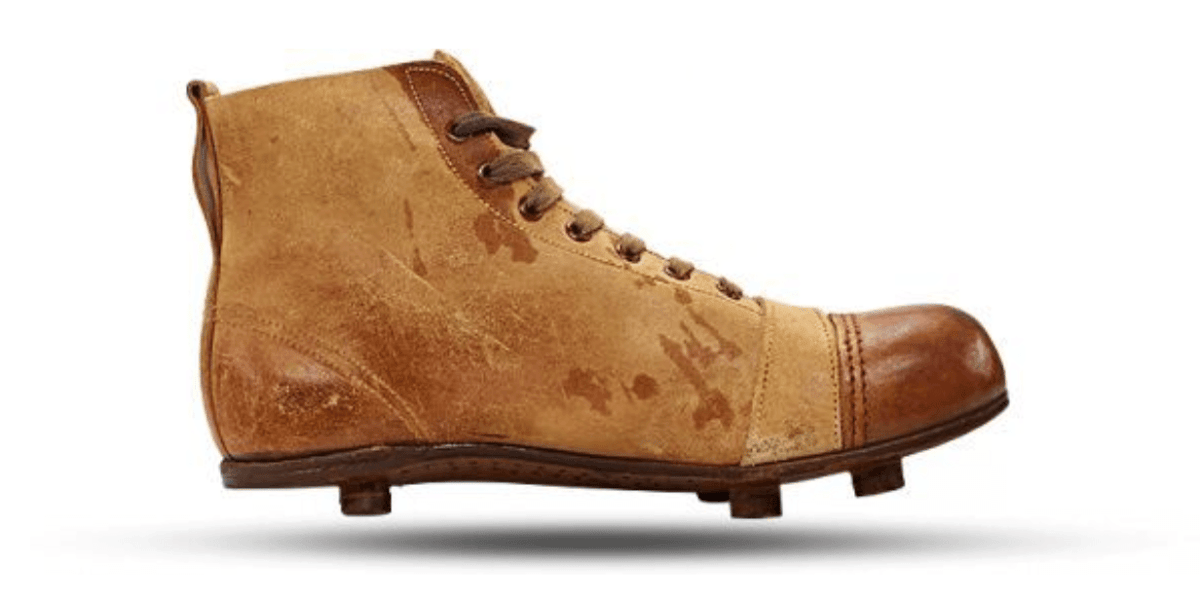
Das Botas De Trabalho Às Travas Rosqueáveis: A Evolução Das Chuteiras Nas Primeiras Copas Do Mundo
Companies Mentioned
Why It Matters
The evolution from cumbersome work boots to lightweight, customizable studs transformed player performance and launched the modern sports‑sponsorship economy, reshaping the global football industry.
Key Takeaways
- •1930s boots weighed 500 g dry, over 1 kg when wet
- •1954 Adidas introduced interchangeable nylon/plastic studs
- •Adidas vs Puma rivalry spurred rapid tech innovation
- •1966 World Cup saw ~75% players wearing Adidas
- •Screw‑in studs gave West Germany traction in “Miracle of Bern”
Pulse Analysis
The early decades of the FIFA World Cup were defined by footwear that prioritized durability over agility. Crafted from thick leather with steel toe caps, the boots weighed roughly 500 g dry and could swell past a kilogram after absorbing rain or mud. Production was fragmented, with small regional factories such as Britain’s Gola, Italy’s Valsport, and Denmark’s Hummel supplying national teams on a case‑by‑case basis. Without television exposure or sponsorship deals, players often bought and customized their own shoes, limiting any performance‑oriented innovation.
A seismic shift occurred after World War II when the Dassler brothers split, founding Adidas and Puma. This rivalry turned football boots into a laboratory for engineering breakthroughs. Adidas’s 1954 introduction of screw‑in nylon and plastic studs replaced heavy metal spikes, allowing athletes to swap traction devices mid‑match. West Germany’s ability to adapt quickly to a rain‑slick pitch in Bern highlighted how a seemingly small technical tweak could decide a World Cup final. The move also marked the first instance where a global broadcast showcased cutting‑edge sports equipment, turning the tournament into a live product demonstration.
The commercial fallout was profound. Throughout the 1960s, Adidas leveraged exclusive supply contracts with national federations and star players, driving market share to an estimated 75 % of participants at the 1966 England World Cup. This era birthed the modern sports‑sponsorship model, where equipment manufacturers fund teams and athletes in exchange for brand visibility. The legacy of interchangeable studs persists today in today’s lightweight, data‑driven cleat systems, underscoring how early post‑war innovations set the foundation for a multi‑billion‑dollar global football‑apparel industry.
Das botas de trabalho às travas rosqueáveis: A evolução das chuteiras nas primeiras Copas do Mundo
Comments
Want to join the conversation?
Loading comments...