Companies Mentioned


Why It Matters
Ignoring silent wastes and emerging technologies erodes competitive advantage, while proactive risk‑opportunity management safeguards long‑term profitability and relevance.
Key Takeaways
- •Innovation risk outweighs traditional quality waste
- •AI augments, not replaces, SPC in Industry 4.0
- •Haber‑Bosch may be displaced by geothermal ammonia
- •Offshoring knowledge work fuels renewed manufacturing appeal
Pulse Analysis
ISO 9001:2015 Clause 6.1 forces organizations to treat risks and opportunities as two sides of the same coin. While poor quality is the most visible symptom, the Toyota Production System teaches that the other six wastes—transport, inventory, motion, waiting, over‑production, over‑processing—remain hidden yet far more costly. A robust corrective‑and‑preventive action (CAPA) system, such as AIAG’s CQI‑20, can capture the obvious defects, but it must be expanded to surface these silent inefficiencies. Ignoring them leaves a fertile ground for competitors to innovate and capture market share.
Artificial intelligence is reshaping quality management, but it is not a silver bullet. In Industry 4.0 environments, real‑time sensor data enables machines to self‑adjust, reducing reliance on post‑process statistical process control (SPC). AI‑driven analytics, as highlighted by Marcel Minutolo, enhance root‑cause identification, predictive maintenance, and supply‑chain visibility while preserving human judgment for strategic decisions. Quality professionals who integrate AI as a decision‑support layer can turn hidden waste into measurable improvement, positioning their firms ahead of rivals still dependent on manual inspection.
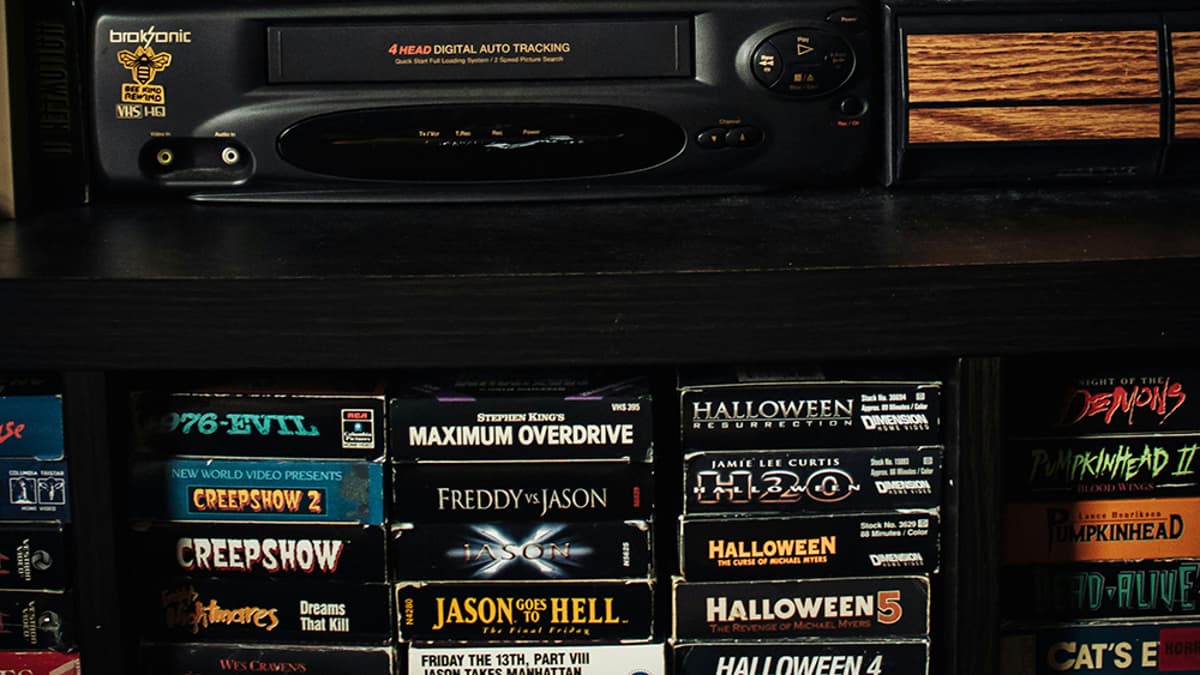
The pace of technological disruption now threatens entire value chains, from media formats to core chemicals. The Haber‑Bosch process, which underpinned global fertilizer supply for a century, faces competition from Addis Energy’s geothermal‑driven ammonia synthesis, promising costs as low as $200 per ton. As natural‑gas prices fluctuate, firms that cling to legacy plants risk obsolescence, while early adopters can capture cost advantage and sustainability credentials. Executives must embed continuous scanning for such breakthroughs into their ISO 9001 risk registers, turning potential threats into strategic opportunities before market tides turn.
Don’t Let Innovation Overtake You
Comments
Want to join the conversation?
Loading comments...