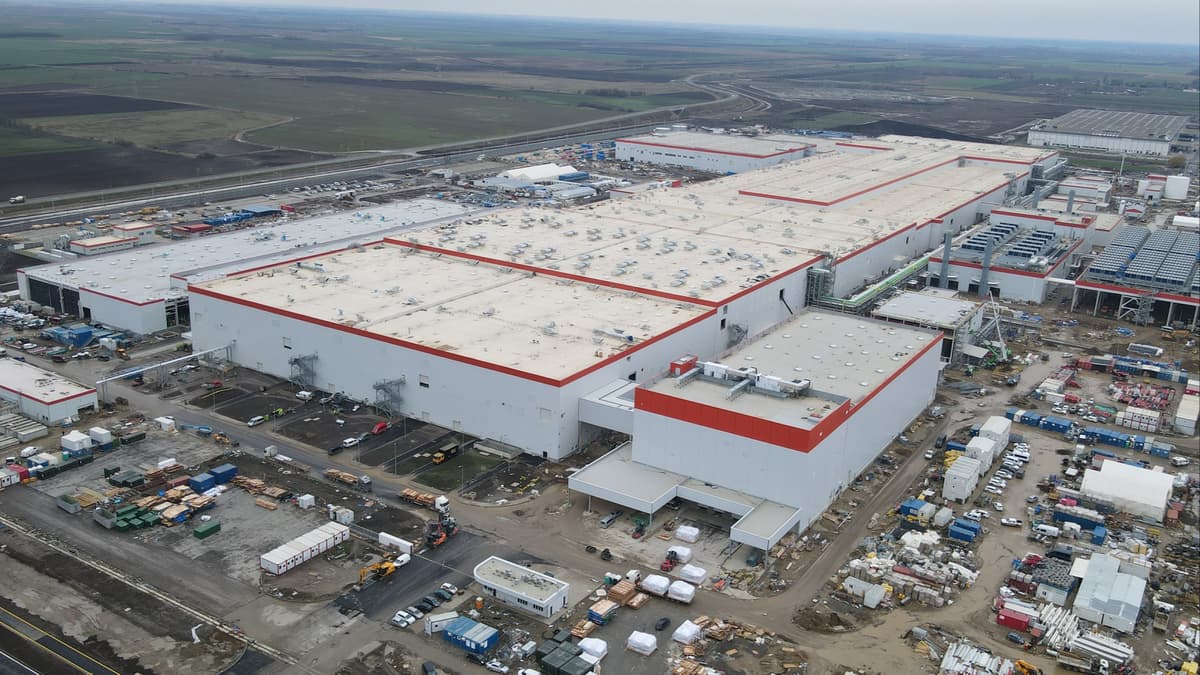
IIAs 2026 | CATL’s Gigafactory in Debrecen, Hungary
Why It Matters
The investment underscores China’s aggressive push into Europe’s EV battery supply chain, shaping regional job markets and influencing EU energy‑transition policies. Its scale and timing could shift competitive dynamics among battery manufacturers across the continent.
Key Takeaways
- •€7.34 bn investment, Hungary's largest greenfield project.
- •1,200 jobs created, workforce already exceeds target.
- •Cell production slated for first half 2026.
- •Adds to CATL sites in Germany and Spain.
- •Sustainability scores lowered due to water, energy concerns.
Pulse Analysis
Europe’s electric‑vehicle surge has turned battery capacity into a strategic asset, and CATL’s Debrecen gigafactory is a direct response to that demand. The €7.34 bn outlay not only marks the biggest single greenfield investment in Hungarian history but also signals the Chinese firm’s intent to secure a foothold in the EU’s high‑value supply chain. By moving from module assembly in a temporary building to full‑scale cell production by mid‑2026, CATL aims to shorten logistics, reduce tariffs, and meet automakers’ near‑term volume targets, positioning itself against rivals such as LG Energy Solution and Samsung SDI.
The local impact is equally significant. With a workforce exceeding 1,200, the plant creates a new talent pipeline through partnerships with Debrecen’s universities and vocational schools, addressing the EU’s skills gap in advanced manufacturing. The project aligns with Hungary’s industrial policy to attract high‑tech FDI, boosting regional GDP and enhancing export potential. Moreover, the presence of a major battery supplier may encourage ancillary firms—software, recycling, and component manufacturers—to cluster nearby, fostering an ecosystem that can accelerate innovation and lower costs for downstream automotive OEMs.
However, sustainability concerns temper the project’s accolades. Judges highlighted the plant’s water and energy intensity, prompting CATL to announce process optimisations and water‑reduction technologies. As EU regulators tighten environmental standards, the factory’s ability to meet stringent criteria will be a litmus test for future battery projects. Successful mitigation could set a benchmark for greener gigafactories, while shortcomings may invite stricter oversight, influencing investment decisions across the continent. The Debrecen site thus sits at the crossroads of economic ambition and ecological responsibility, shaping the narrative of Europe’s clean‑mobility transition.
IIAs 2026 | CATL’s gigafactory in Debrecen, Hungary


Comments
Want to join the conversation?
Loading comments...