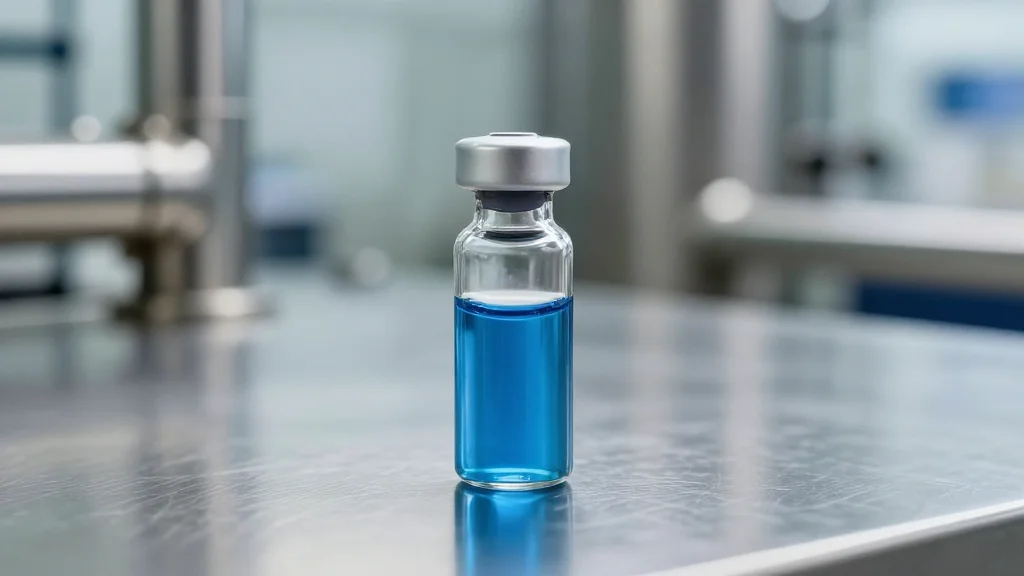
Moes Group Rolls Out Blue Copper Peptide Line, Taps $500M Skincare Market

Why It Matters
The introduction of a dedicated blue copper peptide line signals a maturation of the anti‑aging ingredient market, moving GHK‑Cu from research labs into scalable commercial production. For manufacturers, the ability to offer high‑purity, stable peptide formulations opens new revenue streams and differentiates service offerings in a crowded private‑label landscape. For brands, access to scientifically validated actives can accelerate product differentiation and meet consumer demand for evidence‑based skincare. Regulatory clarity from the FDA adds a layer of confidence that may encourage more formulators to incorporate GHK‑Cu, potentially expanding the $500 million market faster than projected. As more brands launch peptide‑rich products, supply chain dynamics, pricing, and competitive positioning will evolve, making Moes Group’s early‑mover advantage a bellwether for the sector.
Key Takeaways
- •Moes Group launches a new GHK‑Cu manufacturing line on June 6, 2026.
- •Cosmetic‑grade blue copper peptide stocked at 98% purity for private‑label partners.
- •Market estimates project the blue copper peptide anti‑aging segment at $500 million with double‑digit growth.
- •FDA re‑classifies non‑injectable GHK‑Cu under Category 1 of the 503A bulk drug substances process.
- •Limited intake of brand partners creates a competitive rush for early access.
Pulse Analysis
Moes Group’s strategic rollout reflects a broader shift toward ingredient‑centric manufacturing in the cosmetics industry. Historically, private‑label producers have focused on bulk formulations; the move to host a specialized peptide line indicates that manufacturers are now acting as de‑facto R&D partners, offering not just production capacity but also scientific validation. This mirrors trends seen in nutraceuticals, where contract manufacturers provide proprietary blends to differentiate client brands.
The $500 million market size, while modest compared with legacy actives like retinol, is growing at a pace that outstrips many traditional categories. Double‑digit growth suggests that consumer willingness to pay premium prices for peptide‑based solutions is solidifying. Moes Group’s decision to cap intake underscores a supply‑side constraint that could drive up peptide pricing, benefitting early adopters who secure inventory at current rates.
Looking ahead, the combination of FDA endorsement and emerging clinical data could catalyze a wave of new entrants, intensifying competition among contract manufacturers. Companies that can scale peptide synthesis while preserving purity will likely capture the lion’s share of the market. Moes Group’s early commitment positions it to set formulation standards, influence pricing benchmarks, and potentially shape regulatory discourse as the industry navigates the balance between innovation and safety.
Moes Group Rolls Out Blue Copper Peptide Line, Taps $500M Skincare Market
Comments
Want to join the conversation?
Loading comments...