No Signs of Industrial Degrowth in India; Readying Plan to Spur Investments in some Sectors: Piyush Goyal
Why It Matters
The initiatives aim to transform India into a manufacturing hub, attract foreign investment and diversify trade, while the Canada CEPA could open high‑value markets for Indian tech and critical‑minerals exports.
Key Takeaways
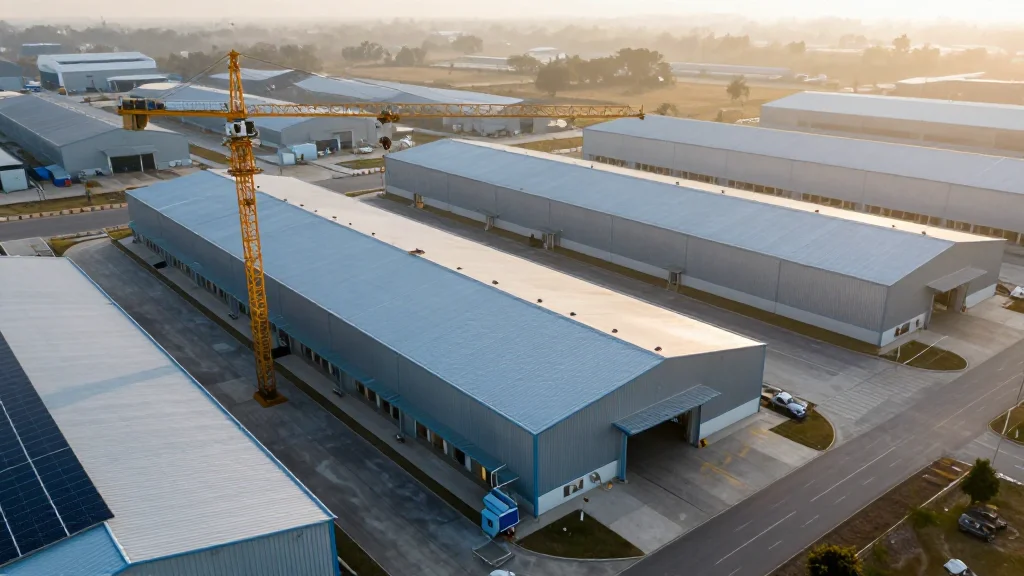
- •Government to launch 50 industrial parks under $4 bn Bhavya scheme.
- •Up to $120k per acre offered for park infrastructure development.
- •India‑Canada CEPA aims for $52 bn bilateral trade by 2030.
- •Focus sectors include electronics, chemicals, semiconductors, AI, clean energy.
- •No signs of industrial demand slowdown, per Commerce Minister Goyal.
Pulse Analysis
India’s latest industrial push reflects a broader self‑reliance agenda that seeks to shift the country from a net importer to a net exporter in high‑value manufacturing. By coupling sector‑specific investment incentives with the finalisation of nine free‑trade agreements, the government is addressing supply‑chain vulnerabilities and creating a more attractive environment for foreign direct investment. The emphasis on ease of doing business, de‑criminalisation of minor offences, and import substitution signals a decisive policy shift aimed at unlocking latent demand across electronics, chemicals and other strategic areas.
At the heart of the strategy is the Bharat Audyogik Vikas Yojna (Bhavya) scheme, a $4 billion programme that will develop 50 plug‑and‑play industrial parks over the next three years. With financial support of up to $120,000 per acre for infrastructure, the parks are designed to provide ready‑made facilities for manufacturers, reducing time‑to‑market and capital outlay. The recent Tata‑ASML semiconductor collaboration in Gujarat underscores the government’s commitment to building a domestic chip ecosystem, a critical step for technology‑driven growth and export potential.
Parallel to domestic reforms, India is deepening its trade ties with Canada through the Comprehensive Economic Partnership Agreement (CEPA). The deal targets $52 billion in bilateral trade by 2030, leveraging Canada’s strengths in uranium, critical minerals and long‑term pension fund capital. Engagements with Canada’s eight largest pension funds, managing roughly $1.8 trillion, could channel substantial investment into Indian clean‑energy, AI and biotech projects. Together, the industrial park rollout and the Canada CEPA position India to capture a larger share of global value chains while diversifying its export basket.
No signs of industrial degrowth in India; readying plan to spur investments in some sectors: Piyush Goyal
Comments
Want to join the conversation?
Loading comments...