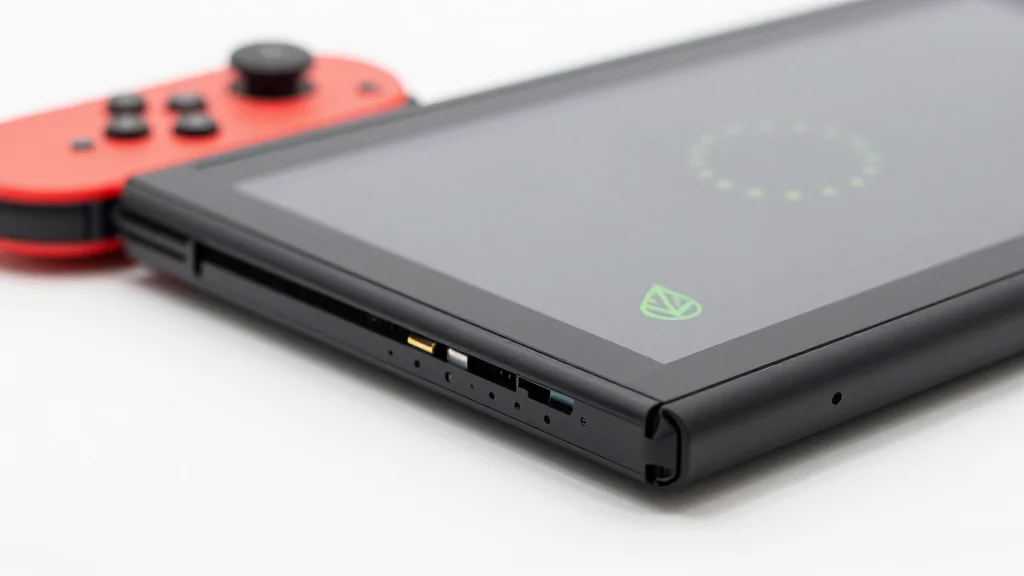
Rumors Hint Nintendo May Redesign Switch 2 Battery for EU Replace‑able Rules

Companies Mentioned
Why It Matters
The EU’s replace‑able‑battery mandate is reshaping how consumer‑electronics firms design products, with direct consequences for manufacturing efficiency, component sourcing, and environmental compliance. For Nintendo, a redesign could mean retooling assembly lines, renegotiating contracts with battery suppliers, and navigating new quality‑control protocols. Success would demonstrate that a major gaming hardware maker can adapt to stricter sustainability rules without sacrificing performance, potentially influencing industry standards worldwide. Beyond compliance, a modular battery could extend the Switch 2’s usable lifespan, lowering the total cost of ownership for gamers and reducing e‑waste. This aligns with broader corporate sustainability goals and may improve brand perception among environmentally conscious consumers, a factor increasingly tied to market performance.
Key Takeaways
- •EU Right‑to‑Repair and Battery Regulation will require replaceable batteries for new portable devices.
- •Rumors suggest Nintendo may redesign the Switch 2 battery compartment to meet these rules.
- •A revised European‑market model could appear as early as 2027, though Nintendo has not confirmed.
- •Redesign would add parts and assembly steps, impacting suppliers and manufacturing costs.
- •A modular battery could extend console lifespan and reduce electronic waste.
Pulse Analysis
Nintendo’s potential pivot to a replaceable‑battery Switch 2 reflects a broader industry tension between design elegance and regulatory compliance. Historically, handheld consoles have prioritized thin profiles and sealed interiors to protect against damage and to streamline production. The EU’s new rules force a trade‑off: manufacturers must now accommodate user‑serviceability, which can compromise structural rigidity and increase BOM (bill of materials) complexity. For Nintendo, whose brand hinges on sleek, durable hardware, the engineering challenge will be to integrate a user‑friendly battery module without eroding the console’s iconic form factor.
From a supply‑chain perspective, the shift could diversify component sourcing. Instead of a single, proprietary battery pack, Nintendo may need to work with multiple battery vendors that meet EU standards, potentially driving down costs through competition but also introducing variability in quality control. Contract manufacturers will have to adjust assembly fixtures and testing procedures, which could temporarily strain capacity as factories re‑tool. However, the long‑term upside includes a more resilient product lifecycle; a replaceable battery reduces the need for full‑device replacements, aligning with circular‑economy principles that many OEMs are now adopting.
Strategically, embracing the EU mandate early could give Nintendo a first‑mover advantage in markets where sustainability is a purchasing factor. Competitors that delay compliance may face regulatory penalties or lose market share to a greener‑positioned Switch 2. Conversely, if the redesign inflates retail prices, Nintendo risks alienating price‑sensitive gamers, especially in regions where the console already competes with cheaper alternatives. The company’s next steps—whether to file patents, announce a timeline, or quietly iterate the design—will signal how it balances regulatory pressure with its core design philosophy.
Rumors Hint Nintendo May Redesign Switch 2 Battery for EU Replace‑able Rules
Comments
Want to join the conversation?
Loading comments...