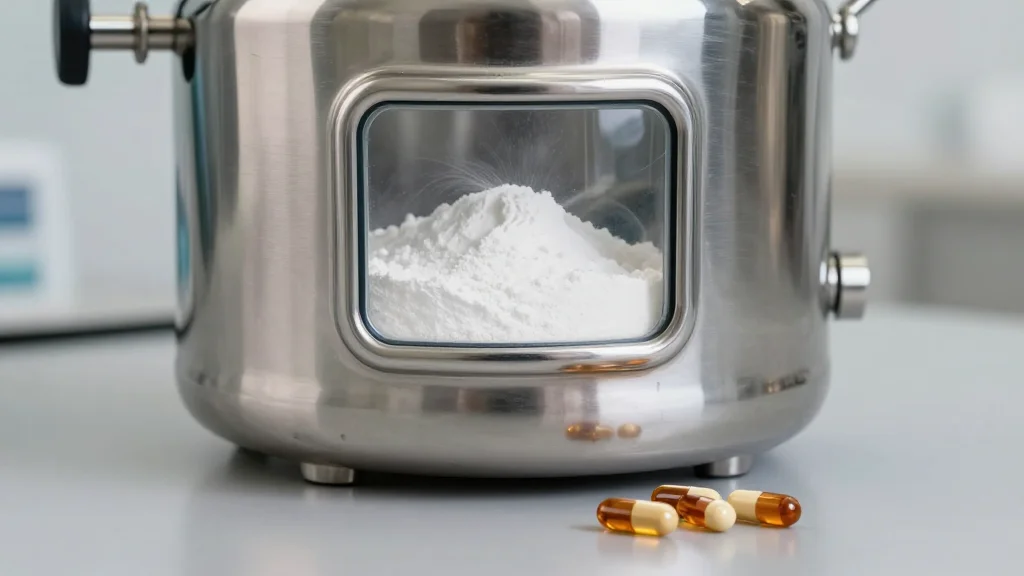
Sandoz Files Anti-Dumping Complaint on Chinese Amoxicillin Imports

Why It Matters
The complaint highlights a growing tension between cost‑driven imports and the strategic need for a resilient domestic drug supply chain. Europe’s reliance on Chinese APIs has accelerated over the past decade, but the pandemic and recent supply scares have prompted policymakers to reconsider the balance between affordability and security. A successful anti‑dumping case could set a precedent for other drug categories, encouraging manufacturers to protect or rebuild local production capabilities. For patients, the outcome could affect the price and availability of amoxicillin, one of the world’s most prescribed antibiotics. A disruption in supply could force hospitals to seek alternative treatments or pay higher prices for imported APIs, underscoring the public health stakes tied to trade policy decisions in the manufacturing sector.
Key Takeaways
- •Sandoz filed a draft anti‑dumping complaint with the European Commission on May 28.
- •The complaint targets Chinese amoxicillin API imports deemed to be sold at unfairly low prices.
- •Sandoz operates the only major vertically integrated penicillin production network in Europe, based in Kundl, Austria.
- •A provisional EU measure could suspend or limit Chinese API shipments pending investigation.
- •Potential outcomes include restored pricing parity for European producers or supply disruptions for amoxicillin.
Pulse Analysis
Sandoz’s anti‑dumping filing is a watershed moment for the European generic drug sector, signaling that trade remedies are now part of the competitive toolkit. Historically, European manufacturers have relied on scale and regulatory barriers rather than direct trade actions to defend market share. The shift reflects mounting pressure from cost‑focused Chinese exporters, whose ability to undercut prices stems from lower labor costs, state subsidies, and economies of scale in API production.
From a market perspective, the amoxicillin segment is a bellwether for broader antibiotic manufacturing. If the EU imposes duties, Chinese suppliers may pivot to other markets, while European firms could see a modest price rebound that justifies further capital investment in sites like Kundl. However, the risk of short‑term supply gaps cannot be ignored; the EU will likely weigh consumer impact heavily when deciding on provisional measures.
Looking ahead, the case could catalyze a wave of similar complaints across other high‑volume APIs, from ibuprofen to statins. Policymakers may also accelerate initiatives to bolster domestic API capacity, such as the EU’s “Strategic Autonomy” agenda, which includes funding for advanced manufacturing hubs. For investors, the development adds a layer of regulatory risk to European generic stocks but also creates upside potential for firms that successfully navigate the trade landscape and secure a more insulated supply chain.
Sandoz Files Anti-Dumping Complaint on Chinese Amoxicillin Imports
Comments
Want to join the conversation?
Loading comments...