Scaling up Industrialization in Africa
Companies Mentioned
Why It Matters
Mobilizing existing domestic capital can reduce import dependence and accelerate Africa’s transition to a self‑sustaining industrial economy, directly impacting growth and stability across the region.
Key Takeaways
- •Africa's institutional capital exceeds $2 trillion, driven by gold reserves
- •Senegal, Kenya, DRC launch sovereign wealth funds to fund infrastructure
- •Energy shortages and political continuity remain major industrialization bottlenecks
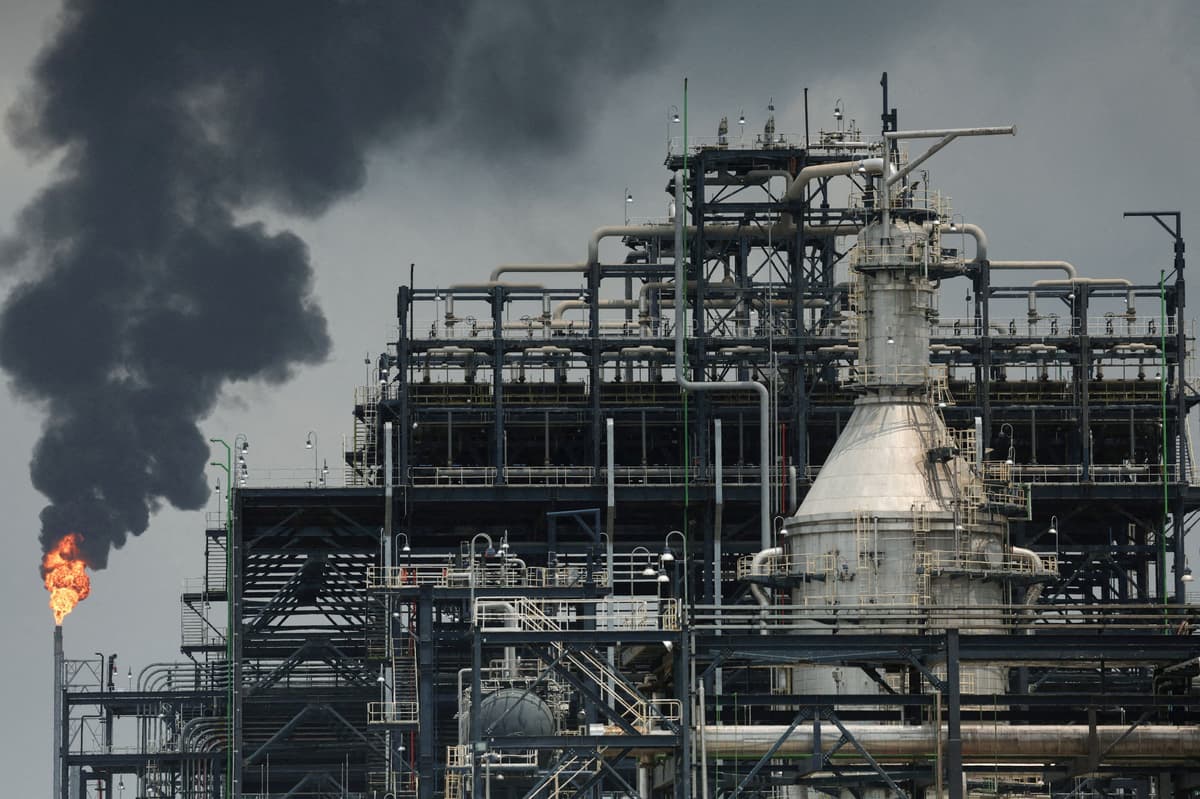
- •Dangote refinery showcases local processing reducing fuel import dependence
- •AFC report urges deploying existing capital over new fundraising
Pulse Analysis
The recent Iran conflict highlighted how external shocks can cripple economies that rely heavily on imported fuel. Africa’s experience, however, offers a contrasting narrative through Aliko Dangote’s massive refinery in Nigeria, which demonstrates that domestic processing can insulate nations from volatile global markets. This case has spurred interest from East African leaders, who see similar projects as a pathway to energy security and value‑added manufacturing, positioning the continent to capture more of its own resource wealth.
A report from the Africa Finance Corporation reveals that African financial institutions now hold more than $2 trillion in capital, a jump from $1.6 trillion a year earlier, buoyed by record‑high gold prices. The analysis argues that the continent’s next wave of industrial growth should focus on redeploying this existing pool rather than seeking fresh external financing. In line with that thinking, Senegal has earmarked hydrocarbon proceeds for a sovereign wealth fund, while Kenya and the Democratic Republic of Congo have set up similar vehicles to capture proceeds from state‑owned asset sales and mining royalties. These funds are designed to finance long‑term infrastructure projects, from power plants to transport corridors, that are essential for scaling industrial activity.
Despite the capital upside, two systemic bottlenecks remain: unreliable electricity supply and short‑term political horizons. Stable, affordable power is a prerequisite for factories, smelters and fertilizer plants, yet many African grids still suffer frequent outages. Moreover, infrastructure projects often span multiple election cycles, demanding political continuity that many governments struggle to guarantee. Addressing these challenges will require coordinated policy frameworks, transparent fund management, and a clear commitment to channel dormant capital into projects that can deliver sustained industrial output and economic diversification across the continent.
Scaling up industrialization in Africa
Comments
Want to join the conversation?
Loading comments...