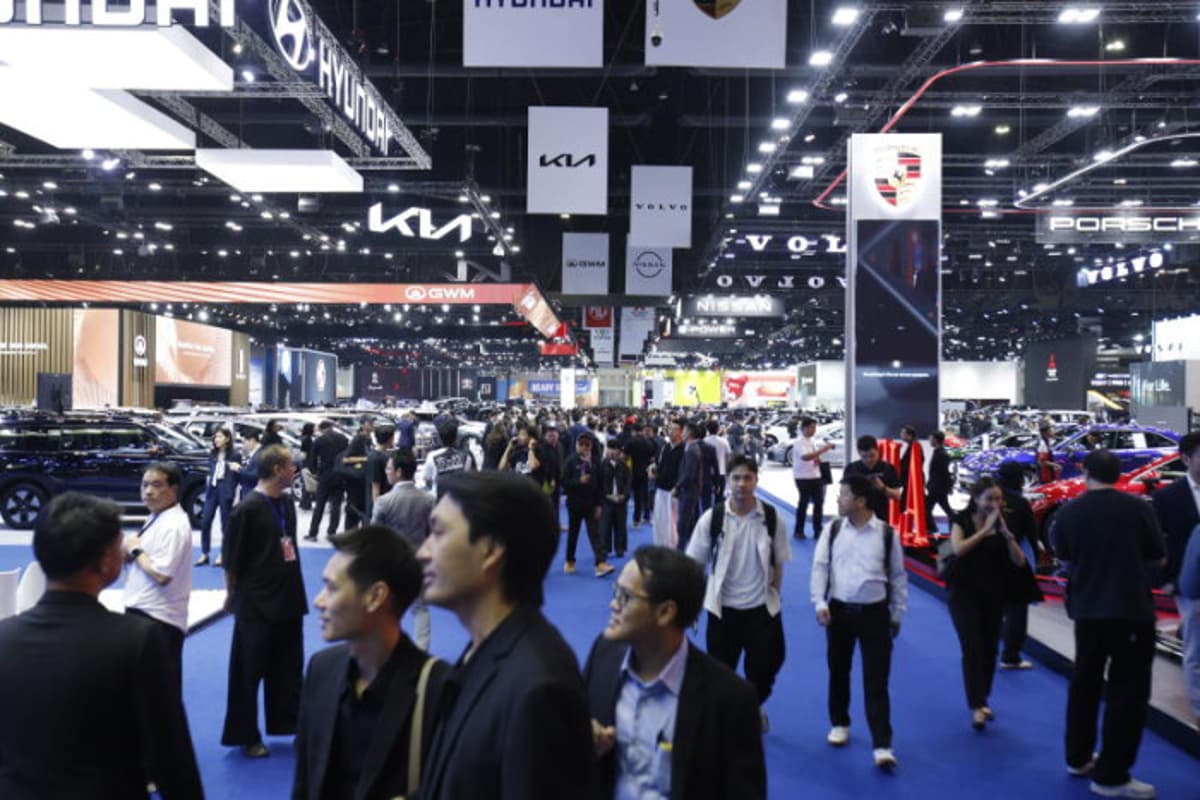
Thailand Car Production Drops 0.44% Y/Y in April
Companies Mentioned
Why It Matters
The slowdown highlights Thailand's vulnerability to geopolitical shocks and energy price volatility, which could affect global supply chains for major automakers. A rebound is crucial for maintaining the country's role as Southeast Asia's leading car‑manufacturing hub.
Key Takeaways
- •April auto production fell 0.44% to 103,794 units.
- •Exports dropped 8.43% to 60,190 vehicles.
- •Domestic sales rose 2.54% to 48,394 units.
- •Production at five‑year low despite March increase.
- •FTI forecasts 3% growth to 1.5 million units by 2026.
Pulse Analysis
Thailand has long been the engine of Southeast Asia’s automotive manufacturing, supplying both regional markets and global brands such as Toyota, Honda, BYD and Great Wall. In April, total output slipped to 103,794 vehicles, the lowest level since 2019, marking a 0.44% year‑over‑year decline after a modest 2.69% gain in March. The dip pushed annual production to 1.455 million units, underscoring the sector’s sensitivity to external shocks despite its status as the region’s largest car‑building hub.
The contraction is largely attributed to export disruptions stemming from the ongoing war in the Middle East, which has rerouted shipping lanes and heightened freight costs. Coupled with rising energy prices, these factors squeezed profit margins for manufacturers that rely on Thailand’s cost‑effective production base. Export volumes fell 8.43% to just over 60,000 units, while domestic demand showed resilience, climbing 2.54% to 48,394 vehicles after the Bangkok Motor Show generated a surge in bookings. The mixed performance reflects a market caught between global turbulence and local consumer optimism.
Looking ahead, the Federation of Thai Industries maintains a bullish outlook, forecasting a 3% increase in production to reach 1.5 million vehicles by 2026. Achieving that target will likely require policy measures to stabilize energy costs and diversify export markets, reducing reliance on geopolitically sensitive routes. Continued investment from Japanese and Chinese OEMs could bolster capacity, but competitors such as Vietnam and Indonesia are also courting automakers with incentives. Investors should monitor Thailand’s regulatory response and global supply‑chain dynamics as they will shape the country’s long‑term competitiveness in the automotive sector.
Thailand car production drops 0.44% y/y in April
Comments
Want to join the conversation?
Loading comments...