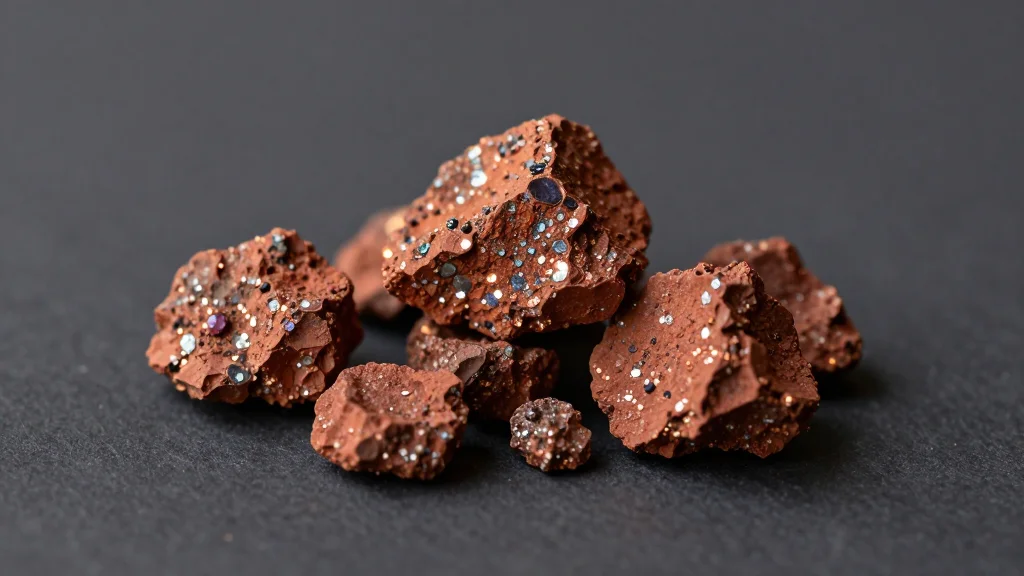
Brazil Is Set to Cut Into China’s Rare Earths Dominance – by Astrid Prange De Oliveira (DW.com – May 31, 2026)
Key Takeaways
- •Brazil hosts world’s largest ionic‑clay rare earth deposit at Caldeira
- •Meteoric Resources leads heavy investment in Brazil’s rare earth mining
- •Dysprosium and terbium from Brazil can power EVs and wind turbines
- •New supply may erode China’s >80% share of global rare earths
- •Governments eye Brazil to secure critical minerals for AI and clean tech
Pulse Analysis
China currently controls roughly 80% of the global rare‑earth market, a leverage point that has long concerned manufacturers of high‑tech equipment. Brazil, however, sits on an estimated 30‑million‑tonne reserve of ionic‑clay deposits, a geological formation that yields the "medium" and "heavy" rare earths most prized for permanent‑magnet applications. The Caldeira deposit in Minas Gerais is considered the largest of its kind, offering a cost‑effective source of dysprosium, terbium and related elements that are essential for next‑generation wind‑turbine generators and electric‑vehicle drivetrains.
Australian firm Meteoric Resources has positioned itself at the forefront of Brazil’s mining surge, committing hundreds of millions of dollars to develop the Caldeira project. The company’s aggressive timeline reflects soaring demand for rare earths driven by AI‑accelerated data centers, electric‑vehicle production targets, and the global push for renewable‑energy infrastructure. By securing long‑term off‑take agreements with major automakers and turbine manufacturers, Meteoric aims to create a vertically integrated supply chain that can compete on price and reliability with Chinese exporters.
The strategic implications extend beyond commodity markets. U.S. and European policymakers are actively seeking to diversify critical‑material sources to mitigate supply‑chain vulnerabilities exposed by recent geopolitical tensions. Brazil’s political stability, abundant labor force, and supportive mining regulations make it an attractive partner for Western investors. If the Caldeira project reaches commercial scale within the next five years, it could shave several percentage points off China’s dominance, prompting a reshaping of global trade flows and encouraging further exploration of under‑tapped rare‑earth deposits worldwide.
Brazil is set to cut into China’s rare earths dominance – by Astrid Prange de Oliveira (DW.com – May 31, 2026)
Comments
Want to join the conversation?