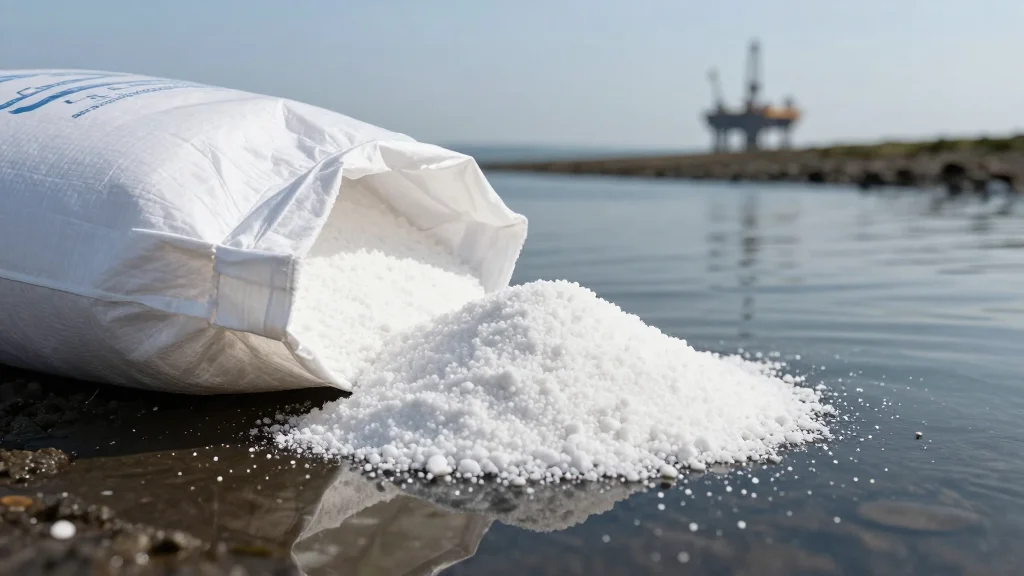
The Strait that Shook the World
Key Takeaways
- •Gulf supplies ~40% of global exported urea and 20% of ammonia
- •30% of world fertilizer exports transit the Strait of Hormuz
- •One month closure could trigger nitrogen fertilizer shortages for staple crops
- •India and sub‑Saharan Africa face heightened food‑price inflation risk
- •Gulf states must reroute 70% of food imports, raising costs and delays
Pulse Analysis
The Strait of Hormuz has long been recognized as a linchpin for oil transport, but its role in the global fertilizer market is equally critical. The Gulf’s petrochemical complex converts abundant natural gas into nitrogen‑based fertilizers, accounting for roughly 40% of exported urea and a fifth of ammonia worldwide. When the waterway narrows or shuts, the ripple effects extend far beyond energy prices, striking the agricultural sector that relies on timely fertilizer deliveries to meet planting schedules.
A month‑long interruption would curtail the flow of urea and ammonia, commodities that underpin the production of wheat, rice and maize—the three grains that feed the majority of humanity. Fertilizer shortages translate quickly into higher input costs, pushing food prices upward. Wealthier consumers feel the pinch as inflation, while low‑income populations, especially in sub‑Saharan Africa and densely populated India, confront heightened food insecurity. Alternative suppliers such as the United States, Russia and China lack the spare capacity to offset a Gulf‑wide shortfall, leaving global markets exposed to volatility.
Beyond crops, the Gulf’s own food security is at stake. Nations like Saudi Arabia and the United Arab Emirates import 90% of their food, with 70% traditionally arriving via Hormuz‑linked ports. Rerouting to smaller terminals in Fujairah and Sohar inflates shipping costs, lengthens delivery windows, and strains logistics infrastructure. The confluence of energy, agriculture, and trade underscores a broader strategic lesson: disruptions in a single maritime corridor can reverberate through multiple sectors, prompting policymakers to diversify supply chains and invest in resilient, regional fertilizer production.
The Strait that Shook the World
Comments
Want to join the conversation?