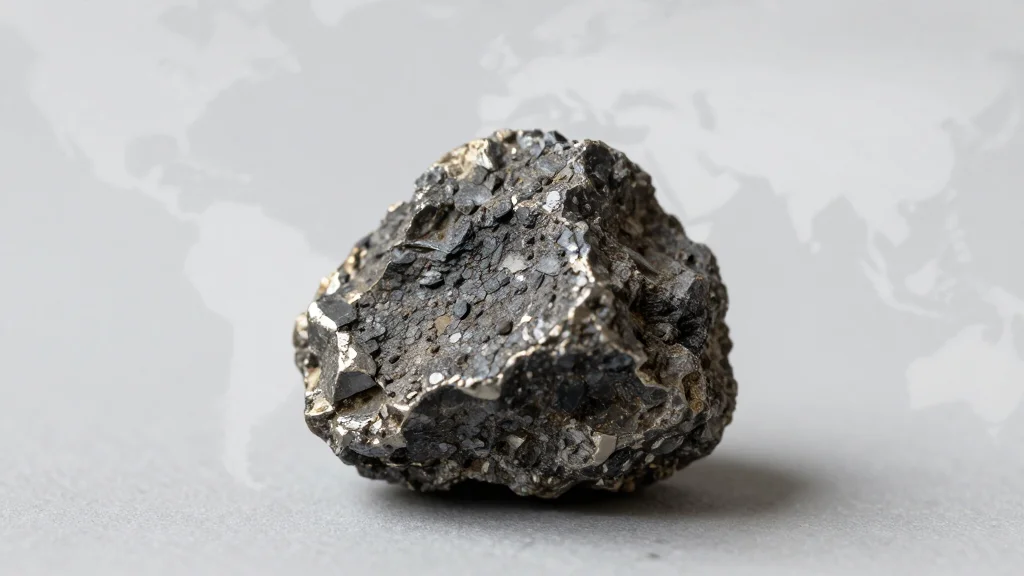
Building a Mine-to-MREC Value Chain From Malawi to Kazakhstan
Companies Mentioned
Why It Matters
The initiative could reshape the rare‑earth supply landscape, reducing dependence on China and providing Western manufacturers with a more secure material source. It also positions Malawi and Kazakhstan as emerging hubs in the strategic minerals ecosystem.
Key Takeaways
- •Lindian links Malawi mine to Kazakhstan processing hub.
- •Project targets 10,000 tonnes rare earths annually by 2028.
- •Aims to diversify supply away from China.
- •$500 million investment secured from strategic partners.
- •Expected to create 1,200 jobs in Malawi and Kazakhstan.
Pulse Analysis
Rare‑earths have become a geopolitical flashpoint after China’s 2023 export curbs, prompting governments and investors to hunt for alternative sources. Africa, with its abundant mineral endowments, is now at the forefront of that search. Lindian Resources’ Kangankunde project taps a high‑grade deposit in southern Malawi, offering a portfolio of heavy rare‑earths such as dysprosium and terbium that are critical for electric‑vehicle motors and defense electronics. By securing a processing partnership in Kazakhstan—home to legacy Soviet‑era metallurgical expertise—the company creates a full‑stack supply chain that sidesteps the need for Chinese refining.
The financial architecture of the mine‑to‑MREC pathway underscores its strategic weight. A $500 million capital raise, sourced from sovereign wealth funds, private equity, and strategic industry partners, funds both the mine development and the construction of a state‑of‑the‑art solvent‑extraction plant in Kazakhstan. This dual‑location model not only spreads risk but also leverages lower labor costs in Malawi and advanced processing technology in Central Asia, aiming for a breakeven point by 2028. Early‑stage feasibility studies suggest the venture could generate roughly 1,200 direct jobs across both countries, stimulating local economies while meeting the growing demand from U.S. and European manufacturers.
For the broader market, Lindian’s value chain could act as a catalyst for a more diversified rare‑earth ecosystem. Analysts project that non‑Chinese supply could capture up to 30% of global demand by 2030 if projects like Kangankunde reach full capacity. This would alleviate price volatility that has plagued the sector since the 2022 surge and provide downstream firms with more predictable input costs. Moreover, the initiative aligns with U.S. and EU policy pushes for critical mineral security, potentially unlocking further public‑private partnerships and export incentives. As the world accelerates toward clean‑energy technologies, a reliable, geopolitically balanced rare‑earth supply chain becomes a decisive competitive advantage.
Building a mine-to-MREC value chain from Malawi to Kazakhstan
Comments
Want to join the conversation?
Loading comments...