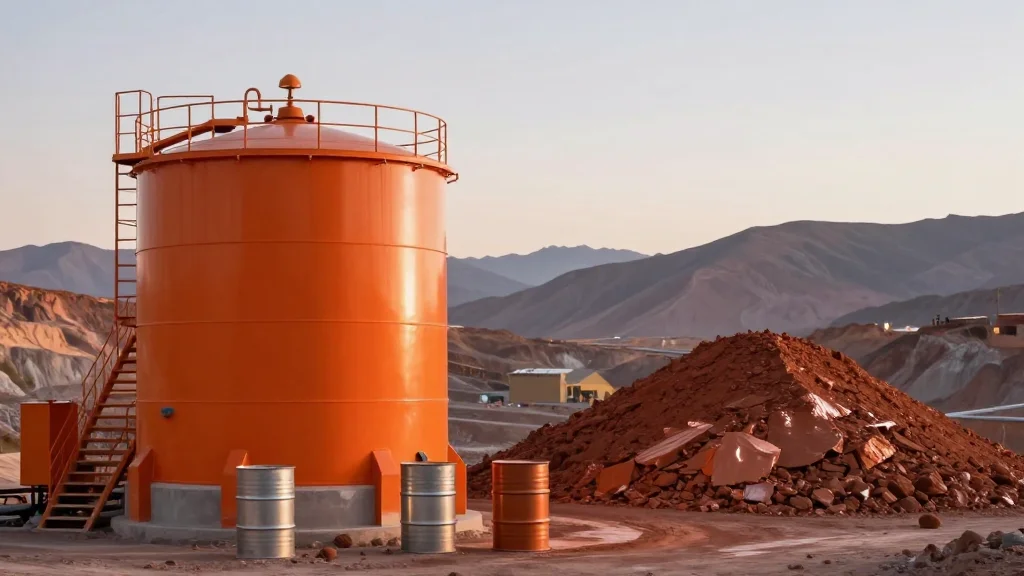
Chile's Sulphuric Acid Shortage Threatens 20% of Copper Output

Why It Matters
Chile supplies roughly one‑third of global copper, a metal critical for electric vehicles, renewable energy infrastructure, and digital technologies. A sustained shortfall in sulphuric acid could curtail up to 20% of Chile's copper output, tightening global supply and potentially driving up prices. The crisis also spotlights the vulnerability of mineral processing to chemical supply chains, prompting a reassessment of risk management across the mining sector. Beyond immediate price effects, the shortage accelerates the push for circular‑economy solutions such as acid recycling and alternative leaching. Successful adoption could set new industry standards, reducing environmental footprints and insulating producers from future geopolitical or logistical shocks. Policymakers and investors will be watching Chile's response as a bellwether for how resource‑intensive industries adapt to supply‑chain volatility.
Key Takeaways
- •Sulphuric acid is essential for Chile's SX‑EW process, which accounts for ~20% of national copper output.
- •Domestic acid production has not kept pace with mining expansion, increasing reliance on imports.
- •Shipping disruptions in the Strait of Hormuz have raised freight costs and extended delivery times.
- •China's shift to domestic fertiliser demand limits export availability of sulphuric acid.
- •Chile's miners are pursuing new overseas suppliers and investing in acid‑recycling technologies.
Pulse Analysis
The Chilean acid shortage underscores a structural weakness that many mineral‑processing hubs share: dependence on a narrow set of chemical inputs sourced from geopolitically sensitive corridors. Historically, the mining sector has focused on ore grade and energy costs, but the current crisis forces a broader view of input security. Companies that can internalise acid production or close the loop through recycling will gain a competitive edge, especially as environmental regulations tighten and investors demand greater resilience.
From a market perspective, any contraction in Chile's copper output will likely tighten global supply, reinforcing the bullish trend seen in copper futures over the past year. While higher prices can improve profitability for some miners, they also raise the cost of downstream applications, from EV batteries to renewable‑energy infrastructure, potentially slowing adoption rates. The acid crunch may therefore act as a hidden lever influencing the pace of the energy transition.
Strategically, the episode may catalyse regional cooperation in South America. Peru's logistical proximity makes it a natural backup, but capacity constraints mean that a coordinated investment in regional acid production could benefit multiple mining economies. Likewise, the push for alternative leaching methods could spur innovation ecosystems around green chemistry, positioning Chile as a testbed for next‑generation processing technologies. The next six months will be critical as miners balance short‑term procurement costs against long‑term sustainability and supply‑chain diversification.
Chile's Sulphuric Acid Shortage Threatens 20% of Copper Output
Comments
Want to join the conversation?
Loading comments...