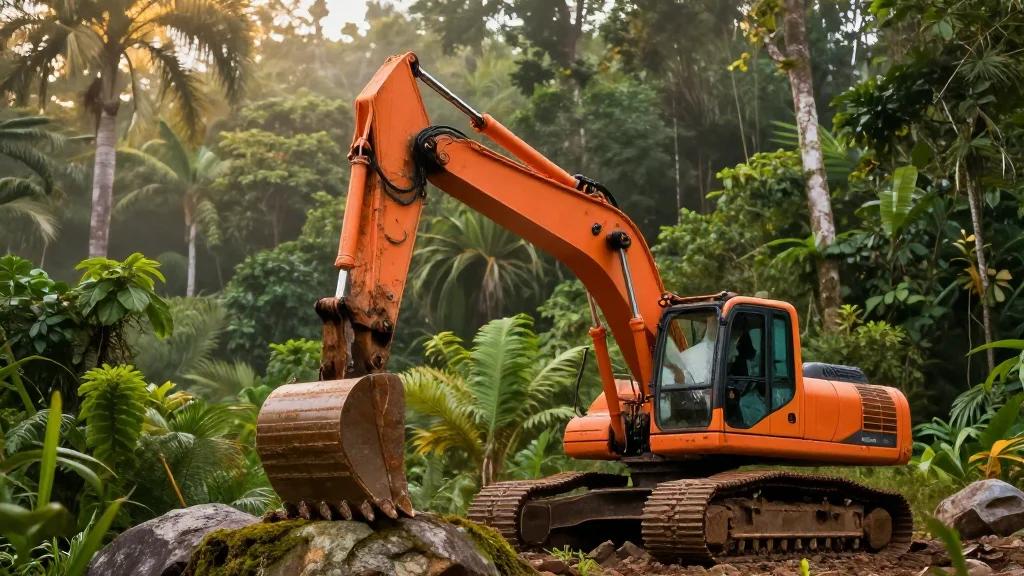
Documentary Shows Mining-Funded Conservation Shaping Liberia's Nimba Mountains

Companies Mentioned
Why It Matters
The film highlights a nascent model where mining corporations fund and facilitate biodiversity research, potentially redefining corporate responsibility in resource‑rich regions. If successful, such collaborations could provide a template for balancing economic development with conservation, especially as global demand for low‑carbon steel rises. Conversely, the documentary also warns that reliance on a single corporate patron may create dependencies that undermine independent conservation agendas. For investors and policymakers, the Nimba case illustrates the financial and reputational stakes of integrating environmental stewardship into mining contracts. Companies that can demonstrate measurable conservation outcomes may gain preferential access to high‑grade ores coveted by green‑steel producers, while governments could leverage these partnerships to meet international biodiversity commitments.
Key Takeaways
- •Documentary "Overburden" released, focusing on mining‑funded conservation in Liberia's Nimba Mountains
- •ArcelorMittal signed a co‑management agreement with Liberia to oversee the East Nimba Nature Reserve
- •Film features quotes from producer Gregg Mitman and conservationist Shadrach Kerwillian
- •Historical impact of LAMCO and current proposals like Ivanhoe Atlantic's mine highlighted
- •Nimba's high‑grade iron ore is positioned for low‑carbon steelmaking, linking mining to climate goals
Pulse Analysis
The emergence of mining‑funded conservation initiatives, as depicted in "Overburden," signals a strategic pivot for extractive firms facing heightened ESG scrutiny. By financing biodiversity surveys, companies like ArcelorMittal can pre‑empt regulatory hurdles and secure social licenses to operate, especially in regions where mineral wealth coincides with globally significant habitats. This approach also offers a competitive edge in the burgeoning green‑steel market, where buyers increasingly demand proof of low‑impact sourcing.
However, the model carries inherent risks. When a single corporation becomes the primary patron of conservation, it may influence research agendas, prioritize projects that align with its operational timelines, and limit the independence of local NGOs. The documentary’s portrayal of this paradox suggests that transparent governance structures and multi‑stakeholder oversight will be essential to prevent conservation funding from becoming a veneer for continued ecological degradation.
Looking ahead, the Nimba narrative could catalyze policy reforms across West Africa. Governments may formalize frameworks that require mining concessions to allocate a fixed percentage of revenues to protected‑area management, mirroring similar schemes in Latin America. Investors should monitor how such arrangements affect project risk profiles, as well‑funded conservation can reduce community opposition and lower the probability of costly litigation. Ultimately, the success of mining‑linked conservation will hinge on measurable outcomes, third‑party verification, and the ability to align corporate profit motives with genuine ecological resilience.
Documentary Shows Mining-Funded Conservation Shaping Liberia's Nimba Mountains
Comments
Want to join the conversation?
Loading comments...