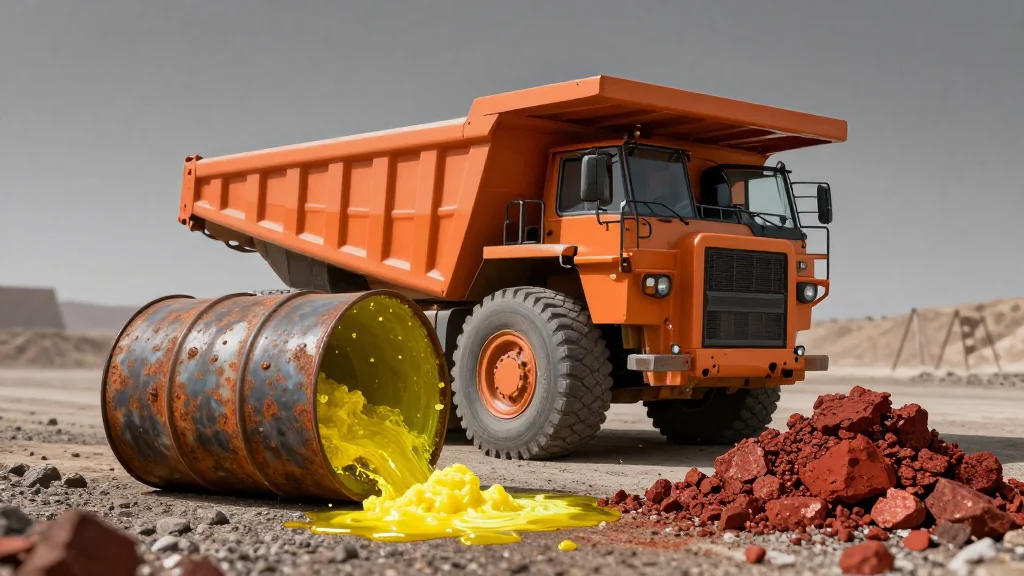
DRC Chemical Shortages Threaten Copper and Cobalt Output, Prices Surge

Companies Mentioned
Why It Matters
The DRC supplies roughly 70% of global cobalt and a significant share of copper, both essential for electric‑vehicle batteries and renewable‑energy infrastructure. A disruption in chemical inputs that underpins ore leaching directly threatens the continuity of these supply chains, potentially driving up battery costs and slowing the clean‑energy transition. Moreover, the episode highlights how geopolitical conflicts far from the mining sites can cascade into material shortages, prompting investors and policymakers to reassess supply‑chain resilience. For downstream manufacturers, tighter copper and cobalt supplies could translate into higher component costs, squeezing margins for automakers and energy storage firms. The episode also raises strategic questions about diversifying reagent sources, investing in local chemical production, and building buffer inventories to mitigate future shocks.
Key Takeaways
- •2,000 mt SMBS order cancelled and 1,800 mt shipment withdrawn due to Iran‑related shipping delays
- •Premiums for sulphuric acid and SMBS via Dar es Salaam have nearly doubled
- •Transit times for chemicals have risen from three months to four‑to‑six months
- •Potential output cuts could reduce DRC cobalt supply by 5‑10%, lifting prices $1‑$2 per pound
- •Buyers now require physical stock verification, adding logistical complexity
Pulse Analysis
The DRC’s chemical shortage is a textbook case of supply‑chain fragility amplified by geopolitical risk. Historically, the region’s mining sector has relied on a just‑in‑time model for reagents, assuming stable maritime routes through the Indian Ocean. The Iran conflict has shattered that assumption, exposing a single‑point failure that reverberates through the entire battery‑metal value chain. Companies that have historically outsourced reagent procurement now face a strategic crossroads: either invest in on‑shore chemical production—an expensive, capital‑intensive proposition—or diversify their logistics footprint, perhaps by leveraging overland corridors through Zambia or Rwanda.
From a market perspective, the immediate price reaction is likely to be modest, as traders price in the short‑term shock. However, if miners resort to off‑spec cobalt or cut output, the longer‑term impact could be more pronounced, especially as demand for EV batteries accelerates toward 2030. Investors should monitor the DRC ministries’ next steps on export quotas and any bilateral talks with chemical producers in the Middle East or Europe. A coordinated response could stabilize reagent flows and restore confidence in the region’s supply reliability.
In the broader context, this episode may accelerate the industry’s push toward alternative leaching technologies, such as bio‑leaching or solvent‑extraction methods that rely less on sulphuric acid. While still in developmental stages, these technologies could become a hedge against future geopolitical disruptions, reshaping the economics of DRC mining and potentially altering the competitive landscape for global copper and cobalt producers.
DRC Chemical Shortages Threaten Copper and Cobalt Output, Prices Surge
Comments
Want to join the conversation?
Loading comments...