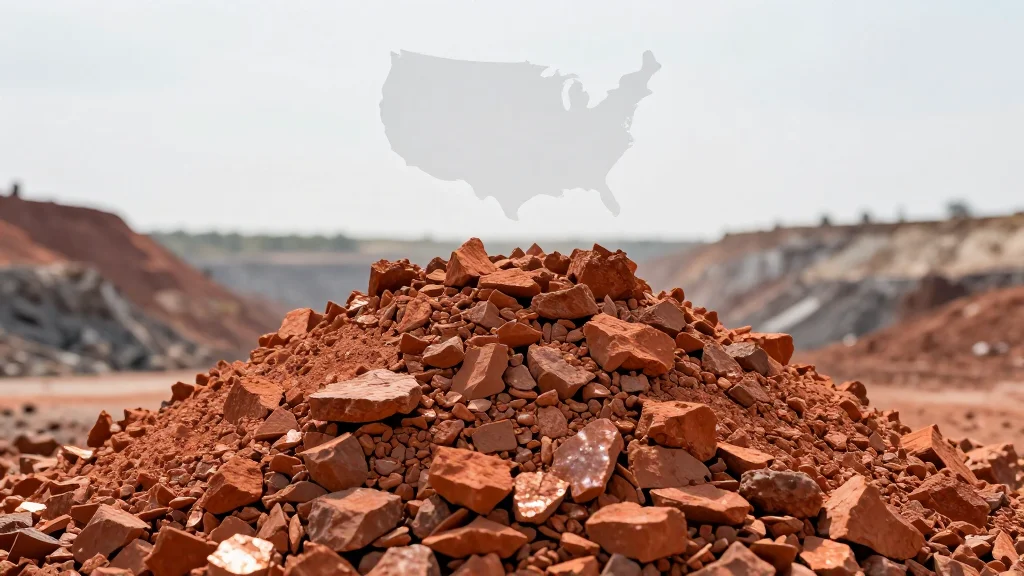
DRC to Ship 500,000 T of Copper to U.S., Civil Society Flags Corruption Risks

Companies Mentioned
Why It Matters
The planned 500,000‑ton copper shipment could reshape global copper flows, giving the United States a larger foothold in a market long dominated by China. For the DRC, the export surge promises significant revenue, but the lack of transparent tendering raises the specter of entrenched corruption that could siphon off public benefits. Moreover, the environmental track record of mines like Tenke Fungurume suggests that without stricter oversight, increased extraction could exacerbate pollution and community grievances, potentially destabilizing a region already fraught with armed conflict. If the DRC successfully implements transparent contracts and strengthens environmental safeguards, the export boost could fund infrastructure, health, and education projects, while supporting the U.S. clean‑energy agenda. Conversely, failure to address governance and ecological risks could deepen mistrust, invite sanctions, and undermine the credibility of future mining‑related agreements across Africa.
Key Takeaways
- •DRC plans to export 500,000 t of copper to the United States, five times the January commitment.
- •Civil‑society leader Jean‑Claude Mputu warns of opaque contracts and repeat corruption patterns.
- •Copper is expected to come largely from the Tenke Fungurume mine, a joint venture with China’s CMOC Group.
- •U.S. firm Virtus Minerals signed a deal in April to access copper and cobalt deposits in southeastern DRC.
- •The DRC announced a new “mining guard” on April 27 to protect mining sites amid M23 militia activity.
Pulse Analysis
The DRC’s copper export escalation reflects a strategic pivot by Washington to diversify its supply chain away from China, but the move also exposes the fragility of the Congolese mining governance model. Historically, large‑scale mineral deals in the DRC have been brokered behind closed doors, with revenue often diverted to elites or armed groups. The current plan’s lack of a public tender process suggests that the same patron‑client dynamics could re‑emerge, this time with American firms potentially entangled in opaque arrangements.
From a market perspective, adding half a million tons of copper to U.S. imports could modestly ease price pressures that have spiked due to supply constraints in Chile and Peru. However, the real impact hinges on the quality and timeliness of shipments, as well as the ability of the mining guard to secure sites without escalating violence. If the guard proves effective, it could set a precedent for private‑security‑driven mining protection across the continent, but it also risks normalizing militarized resource extraction.
Looking ahead, the DRC’s credibility with international investors will depend on how quickly it can institutionalize transparent contract mechanisms and enforce environmental standards at mines like Tenke Fungurume. Failure to do so could trigger activist campaigns, divestments, or even sanctions, eroding the economic upside of the copper surge. Conversely, a successful, accountable rollout could position the DRC as a cornerstone of the global clean‑energy supply chain, delivering both fiscal gains and a model for responsible mining in conflict‑prone regions.
DRC to Ship 500,000 t of Copper to U.S., Civil Society Flags Corruption Risks
Comments
Want to join the conversation?
Loading comments...