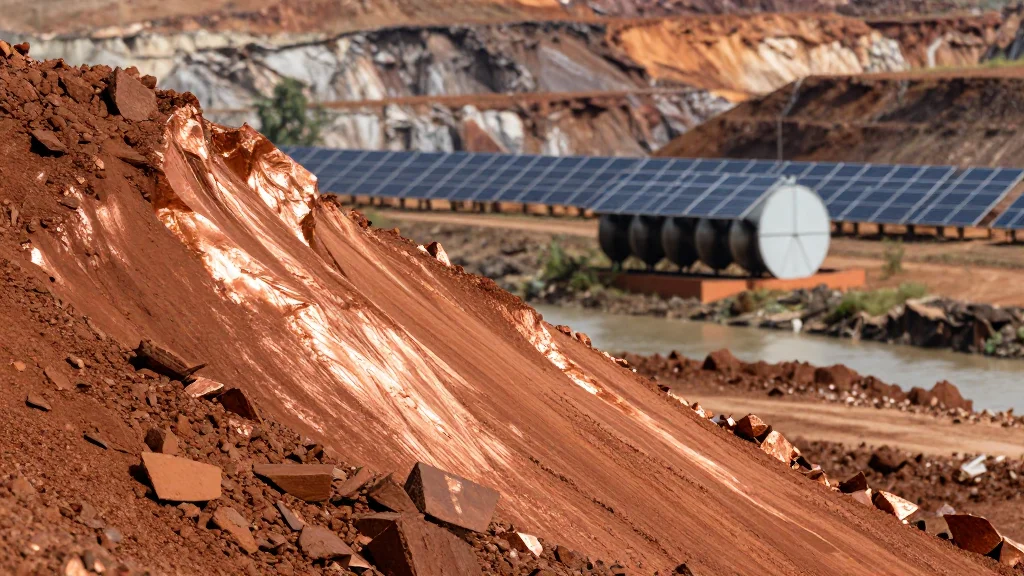
DRC Unveils Greater Kasai Copper Megaproject with Up to 500 MW Hybrid Power Plant

Why It Matters
The Greater Kasai copper megaproject represents a pivotal shift in the DRC’s extractive strategy, moving large‑scale mining activity into a region that has historically lagged behind the mineral‑rich Katanga provinces. By coupling the mine with a substantial renewable‑energy installation, the project tackles two chronic challenges: the country’s over‑reliance on a single mining corridor and its chronic electricity deficits. Successful execution could set a precedent for integrated mining‑energy projects across sub‑Saharan Africa, attracting further foreign investment while promoting sustainable development. The initiative also carries geopolitical weight. China Railway Resources Universal Limited’s involvement underscores Beijing’s continued appetite for African mineral assets, but the DRC’s insistence on a hybrid power solution suggests a desire to negotiate terms that include broader developmental benefits, not just resource extraction. The outcome will influence how future mining deals are structured, particularly regarding local infrastructure commitments.
Key Takeaways
- •DRC announces copper megaproject in Greater Kasai with 200,000‑500,000 t annual capacity
- •Project includes a 250‑500 MW hybrid hydro‑solar power plant to supply mine and region
- •Minister of Mines Louis Watum Kabamba leads talks with China Railway Resources Universal Limited
- •President Félix Tshisekedi has given the project special priority for rapid development
- •Goal is to diversify mining beyond Katanga, create thousands of jobs, and reduce regional disparities
Pulse Analysis
The Greater Kasai initiative could redefine the DRC’s mining map by decentralizing production from the entrenched Katanga belt. Historically, the country’s copper output has been dominated by a handful of legacy mines, which has concentrated economic benefits and political influence in a narrow geographic corridor. By moving a high‑volume operation to Kasai, Kinshasa is attempting to spread wealth, reduce regional tensions, and create a more resilient supply chain that is less vulnerable to localized disruptions such as labor unrest or infrastructure failures.
From an investment perspective, the partnership with China Railway Resources Universal Limited signals that Chinese capital remains eager to secure upstream assets, but the DRC is leveraging that appetite to extract concessions beyond raw metal rights. The integrated power component is a clear bargaining chip: it promises to lower operating costs for the mine while delivering tangible public goods. If the hybrid plant delivers on its capacity promise, it could lower the cost of electricity in the region by an estimated 15‑20%, making Kasai more attractive for ancillary industries and potentially spurring a secondary wave of manufacturing investment.
Looking ahead, the project’s success hinges on three variables: financing closure, regulatory clearance, and community acceptance. The DRC’s track record on environmental and social safeguards has been mixed, and any delays in impact assessments could stall the timeline. Moreover, the political capital invested by President Tshisekedi means that any setbacks may reverberate in Kinshasa’s broader economic reform agenda. Nonetheless, if the megaproject proceeds as outlined, it could position the DRC as a more diversified copper supplier at a time when global demand is projected to rise sharply due to electric‑vehicle and renewable‑energy deployment, reinforcing the country’s strategic importance in the global commodities market.
DRC Unveils Greater Kasai Copper Megaproject with Up to 500 MW Hybrid Power Plant
Comments
Want to join the conversation?
Loading comments...