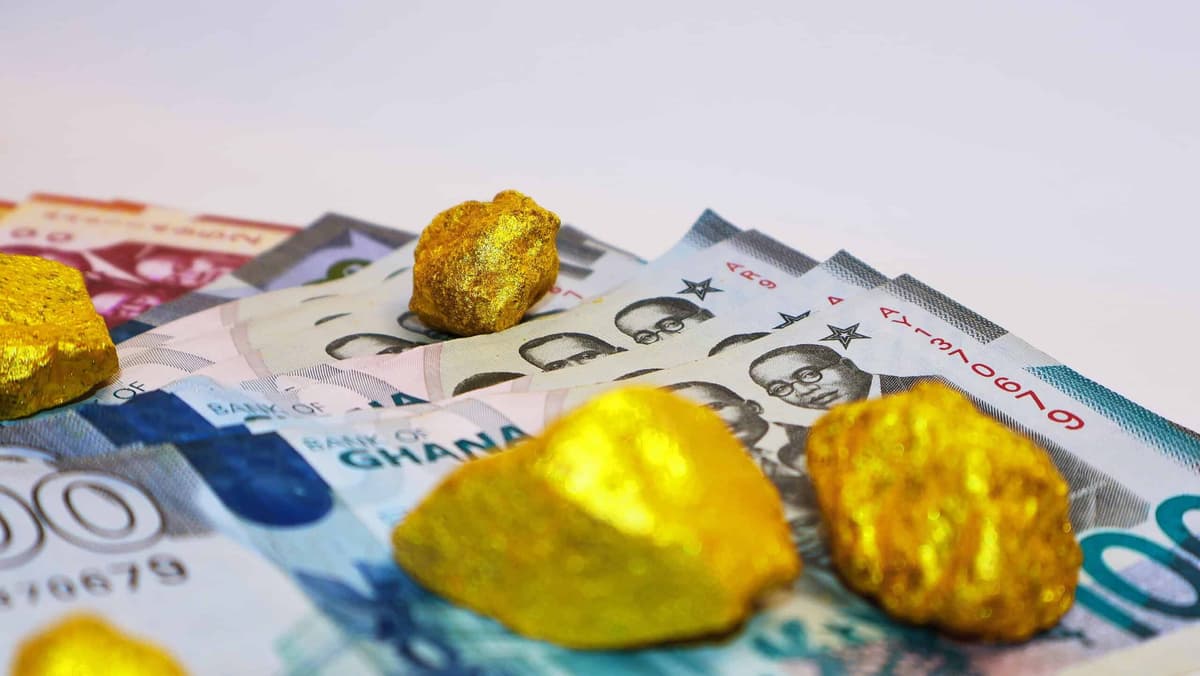
Ghana Gambles On Gold Royalties
Companies Mentioned

Why It Matters
If investors accept Ghana’s higher fiscal take, the model could spread across Africa, reshaping mining revenue streams and influencing foreign capital allocation. Conversely, a backlash could deter investment and accelerate informal mining, undermining fiscal goals.
Key Takeaways
- •Ghana's royalty peaks at 12% when gold exceeds $4,500/oz.
- •Large miners hit top tier as gold trades above $5,000/oz.
- •Gold accounts for ~7% of Ghana's GDP and two‑thirds of exports.
- •US, China, UK, Canada, Australia protest Ghana's new mining tax.
- •Artisanal mining stays untaxed, likely to grow with high gold prices.
Pulse Analysis
Ghana’s new gold royalty regime ties the fiscal rate to market prices, capping at 12% when bullion exceeds $4,500 an ounce. By linking the levy to price movements, Accra aims to capture a larger share of windfall profits while preserving miner margins during price dips. The policy arrived as the country recorded a historic 6 million‑ounce output, cementing gold’s role as a pillar of the economy and a primary source of foreign exchange.
The announcement triggered a coordinated diplomatic protest from five major economies, reflecting concerns that a steep royalty could erode the investment case for large‑scale operations. Companies such as Newmont, Gold Fields and AngloGold Ashanti posted record earnings in 2025, suggesting they can absorb the higher take, yet the risk of capital reallocation remains. Ghana’s decision to simultaneously slash a separate levy signals an attempt to balance revenue goals with investor confidence, a calculus watched closely by neighboring states contemplating similar fiscal reforms.
Beyond the formal sector, Ghana’s vast artisanal and small‑scale mining community—estimated at 1.5 million workers—operates outside the royalty framework. High gold prices make informal mining exceptionally lucrative, potentially accelerating its growth and complicating enforcement. The success or failure of Ghana’s experiment will provide a template for other resource‑rich African nations seeking to boost state revenues without stifling private investment, making the outcome a bellwether for the continent’s mining policy landscape.
Ghana Gambles On Gold Royalties
Comments
Want to join the conversation?
Loading comments...