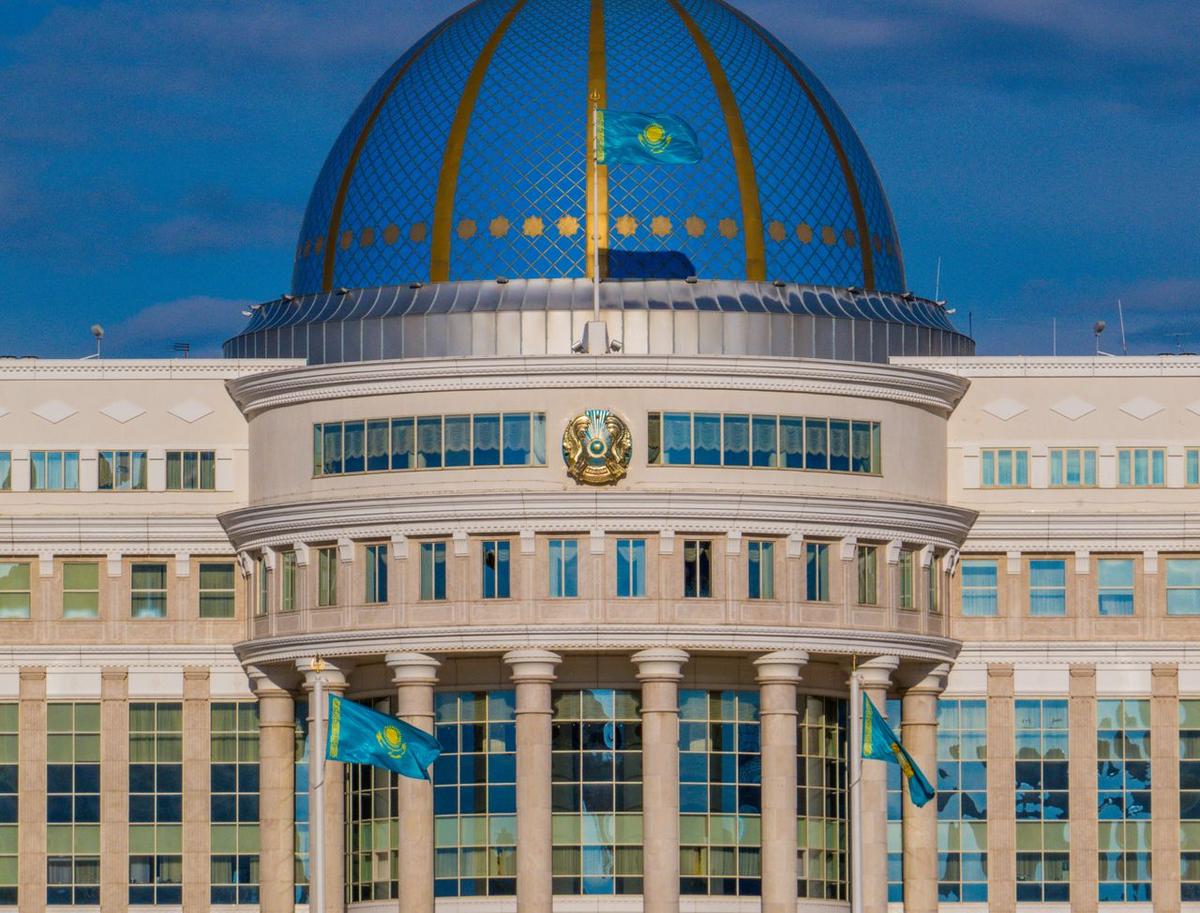
How to Invest in Kazakhstan
Companies Mentioned
Why It Matters
Kazakhstan’s diversified mineral portfolio and geopolitical balancing act offer Western industries a reliable alternative to Chinese supply chains, while providing investors with exposure to high‑growth frontier markets. The window is narrowing as state participation rules tighten, making early positioning critical.
Key Takeaways
- •Kazakhstan supplies 40% of global uranium and 18% of aerospace titanium.
- •State-owned enterprise stakes of 50%+ are mandatory in new mining projects.
- •US‑backed Cove Kaz tungsten JV secures 15% of global output for West.
- •Kaspi.kz provides the most accessible frontier‑market exposure to Kazakhstan’s growth.
Pulse Analysis
The scramble for critical minerals has intensified after China’s export curbs on rare‑earths and tungsten, which sent prices soaring and forced manufacturers to seek alternatives. Kazakhstan, the world’s ninth‑largest country, sits on a vast suite of commodities—from uranium and titanium to copper, gold and emerging rare‑earth deposits—yet only a fraction of its land is explored. This untapped potential, combined with a 716% year‑over‑year surge in tungsten‑related pricing, positions the nation as a pivotal supplier for defense, clean‑energy and high‑tech sectors that are increasingly vulnerable to geopolitical supply shocks.
What sets Kazakhstan apart is its diplomatic tightrope. President Tokayev has kept the country aligned with Western sanctions on Russia while maintaining constructive ties with Beijing, creating a rare “optionality” that investors covet. The government now mandates a minimum 50% state‑owned enterprise stake in new oil, gas and uranium projects, prompting foreign firms to partner with Kazakh SOEs rather than contest the rules. The Cove Kaz tungsten joint venture, financed by the U.S. Export‑Import Bank and Kazakhstan’s Tau‑Ken Samruk, exemplifies this model, delivering 15% of global tungsten output under a structure that blends state backing with Western operational expertise.
For market participants, the actionable entry points are clear. Kaspi.kz (NASDAQ: KSPI) offers a fintech‑driven gateway to Kazakhstan’s consumer economy, while Halyk Bank (LSE: HSBK) provides exposure to domestic credit growth. Uranium stalwart Kazatomprom (LSE: KAP) anchors the nuclear renaissance thesis, and KazMunaiGaz (Almaty: KMGZ) delivers hydrocarbon exposure with a sovereign safety net. Early‑stage explorers like East Star Resources (LSE: EST) and connectivity play‑maker Air Astana (LSE: AIRA) round out a diversified playbook. As the Middle Corridor slashes transit times and state‑partnered structures mitigate regulatory risk, investors who act now can lock in strategic positions before the geopolitical premium fully prices in.
How to invest in Kazakhstan
Comments
Want to join the conversation?
Loading comments...