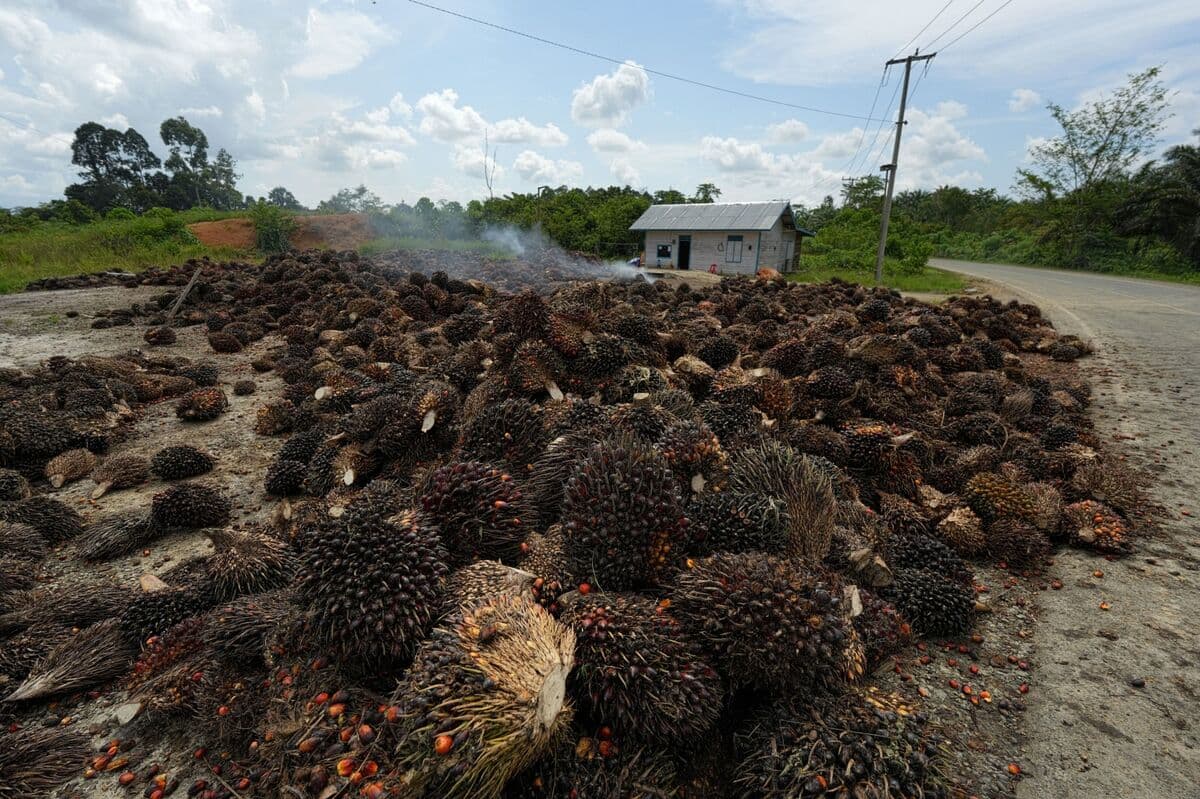
Indonesia Advances Export Control Plan Despite Uncertainty
Why It Matters
Centralized export controls could reshape global supply chains and pricing for three of Indonesia’s most traded commodities, while signaling a broader shift toward state‑driven resource management. The change forces producers to adapt quickly, affecting investment decisions and trade flows.
Key Takeaways
- •Export documents for coal, palm oil, ferro‑alloys required June 1
- •PT Danantara Sumberdaya Indonesia becomes sole export licensing hub
- •Producers face new compliance costs and potential shipment delays
- •Policy reflects Jakarta’s drive to capture more revenue from natural resources
Pulse Analysis
Indonesia’s decision to funnel coal, palm oil and ferro‑alloy exports through a single state‑owned entity reflects a strategic pivot toward tighter market control and higher fiscal returns. The government argues that a unified licensing system will curb illegal shipments, improve data transparency, and allow more accurate royalty collection. By establishing PT Danantara Sumberdaya Indonesia as the sole export gateway, Jakarta joins a growing list of resource‑rich nations using export licensing to boost domestic revenue and align trade with broader economic goals.
For global commodity markets, the new regime introduces a layer of uncertainty that could affect pricing and supply reliability. Traders and multinational processors that rely on steady Indonesian output may face short‑term disruptions as firms adjust to new documentation requirements and potential bottlenecks at the licensing stage. In the palm‑oil sector, where Indonesia supplies roughly half of the world’s volume, any delay could ripple through food‑processing and bio‑fuel supply chains, prompting buyers to diversify sources or renegotiate contracts. Similarly, coal exporters may see marginal cost increases, influencing competitive dynamics with Australian and South African suppliers.
Compliance will be a critical hurdle for domestic producers, many of which operate on thin margins. The added administrative burden and possible fees could incentivize consolidation, pushing smaller players out of the export market. Over the longer term, the policy may encourage investment in downstream processing within Indonesia, as firms seek to add value before navigating the export gate. Observers will watch how effectively the government balances revenue goals with maintaining Indonesia’s reputation as a reliable supplier in the global commodities arena.
Indonesia Advances Export Control Plan Despite Uncertainty
Comments
Want to join the conversation?
Loading comments...