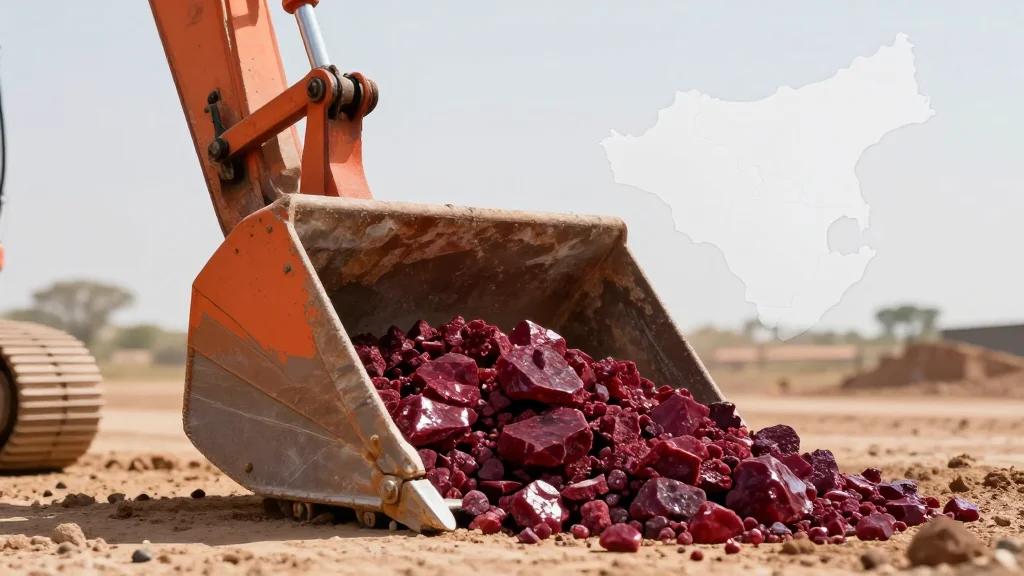
Mozambique to Seize 15% State Stake and Ban Raw Mineral Exports

Why It Matters
The policy could dramatically alter the economics of Mozambique's mining sector, shifting revenue streams from multinational corporations to the state and local communities. By forcing in‑country processing, the reforms aim to create a domestic industrial base that can generate higher‑value jobs and reduce dependence on raw‑material exports, a model other African nations may emulate. If successful, Mozambique could become a key supplier of processed minerals, influencing global markets for coal, titanium and other commodities. The move also raises questions about the balance between attracting foreign investment and asserting sovereign control, a debate that will shape Africa's role in the next wave of the mining revolution.
Key Takeaways
- •Mozambique's draft mining law mandates a minimum 15% state equity stake in all new projects.
- •The law bans export of unprocessed minerals, pushing for domestic processing of coal, titanium and others.
- •Exploration permits limited to 2‑5 years; mining concessions can last up to 25 years.
- •10% of mining revenues will be earmarked for a development fund targeting local infrastructure and services.
- •The reforms align Mozambique with a continent‑wide trend of resource nationalism, echoing similar moves in Mali, Burkina Faso and Ghana.
Pulse Analysis
Mozambique's proposed mining code is a bold gamble that pits sovereign wealth capture against the risk of alienating the very investors needed to develop its underexplored deposits. Historically, African mining regimes that have leaned heavily on state ownership—such as Zambia's copper sector in the early 2000s—have struggled with bureaucratic delays and under‑investment, leading to production shortfalls. However, the current global push for supply‑chain security and ESG compliance could work in Mozambique's favour if the state can position itself as a reliable partner that adds value rather than merely extracting rents.
The export ban is the most contentious element. While it promises to catalyse a domestic processing industry, the capital intensity of smelting and refining—especially for titanium and coal—means that without clear fiscal incentives and infrastructure support, multinational firms may balk. Mozambique will need to design tax breaks, guarantee power supply and streamline permitting to make the proposition attractive. If it succeeds, the country could capture a larger share of the $200 billion global mineral market, turning raw ore exports into higher‑margin finished products.
Regionally, Mozambique's policy could accelerate a domino effect. Neighboring countries watching the parliamentary outcome may adopt similar clauses, creating a new African standard that forces global miners to renegotiate contracts across the continent. This could reshape investment flows, pushing capital toward nations that offer a balanced mix of state participation and investor-friendly terms. The next few months will reveal whether Mozambique's approach will be a blueprint for Africa's mining renaissance or a cautionary tale of over‑regulation.
Mozambique to seize 15% state stake and ban raw mineral exports
Comments
Want to join the conversation?
Loading comments...