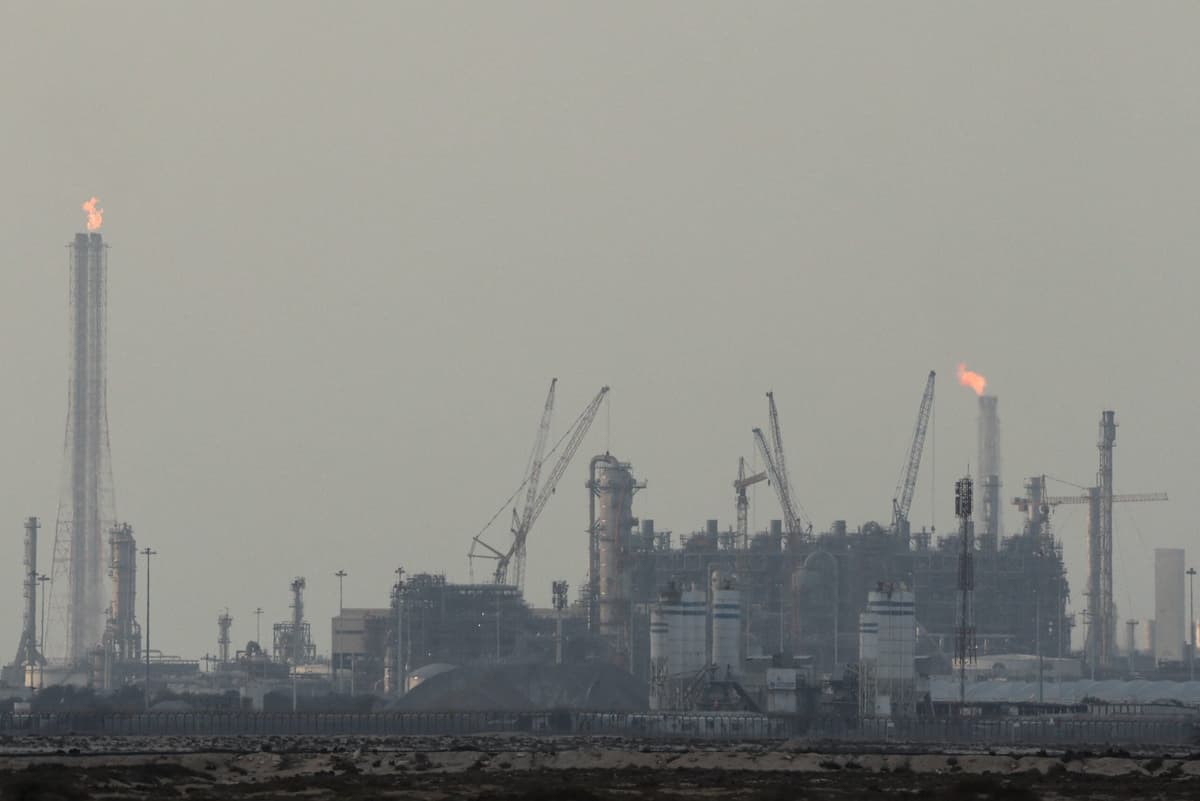
Qatar Begins Work to Resume LNG Production After Ceasefire
Why It Matters
Resuming Qatar’s LNG output eases the global gas supply crunch and stabilizes European energy markets, while highlighting the strategic vulnerability of chokepoints like Hormuz.
Key Takeaways
- •Ras Laffan plant offline since early March, cutting 17% export capacity.
- •Engineers mobilized to perform maintenance and prepare for restart.
- •Restart depends on safe passage through Strait of Hormuz for LNG carriers.
- •European gas prices fell ~20% to about $47 per MWh.
- •US‑Iran cease‑fire promises reopening, but details remain uncertain.
Pulse Analysis
The Ras Laffan complex, capable of producing 77 million tonnes of LNG annually, is a cornerstone of the global gas supply chain. Its shutdown after a missile strike in March removed a sizable share of Qatar’s export capacity, tightening markets already strained by geopolitical tensions. The plant’s damage is projected to affect output for up to five years, making any progress toward restoration a critical signal for energy traders and policymakers alike.
European gas markets reacted swiftly to the news of a potential restart, with futures sliding nearly 20% to around $47 per megawatt‑hour. The price dip underscores the region’s reliance on Qatari LNG to balance seasonal demand and hedge against supply disruptions. However, the real bottleneck remains the Strait of Hormuz, where two tankers recently aborted attempts to transit. Safe passage through this narrow waterway is essential for moving the massive volumes Qatar exports, and any lingering security concerns could blunt the benefits of a plant restart.
The broader geopolitical backdrop adds another layer of complexity. A US‑Iran cease‑fire agreement promises to reopen Hormuz, yet the terms are vague and subject to technical limitations. For investors and industry leaders, the situation highlights the importance of diversifying supply routes and building resilience against regional flashpoints. If Qatar can successfully ramp up production while navigation remains secure, it could restore confidence in LNG markets and provide a modest but meaningful relief to Europe’s energy price volatility.
Qatar Begins Work to Resume LNG Production After Ceasefire
Comments
Want to join the conversation?
Loading comments...