The AI Economy Runs on Helium. The Iran War Just Created a $650 Billion Problem
Why It Matters
Helium shortages could stall AI‑driven data‑center expansion, jeopardizing billions of dollars of capital investment and slowing the pace of AI innovation.
Key Takeaways
- •Qatar supplies ~30% of global high‑purity helium
- •Iran‑Israel conflict halted Qatar’s Ras Laffan helium output March 2
- •AI firms face $650 B investment risk from helium shortage
- •Chipmakers Samsung and SK Hynix hold helium until June 2026
- •Germany and Texas storage caverns buffer supply; helium degrades in 45 days
Pulse Analysis
Helium may seem obscure, but its role in semiconductor manufacturing is pivotal. The gas cools silicon wafers during etching, acts as a carrier for chemicals, and enables ultra‑sensitive leak detection—processes that underpin the GPUs powering AI models. Because helium is a by‑product of natural‑gas extraction, its supply chain is geographically concentrated, making it vulnerable to geopolitical shocks that can ripple through the entire AI hardware ecosystem.
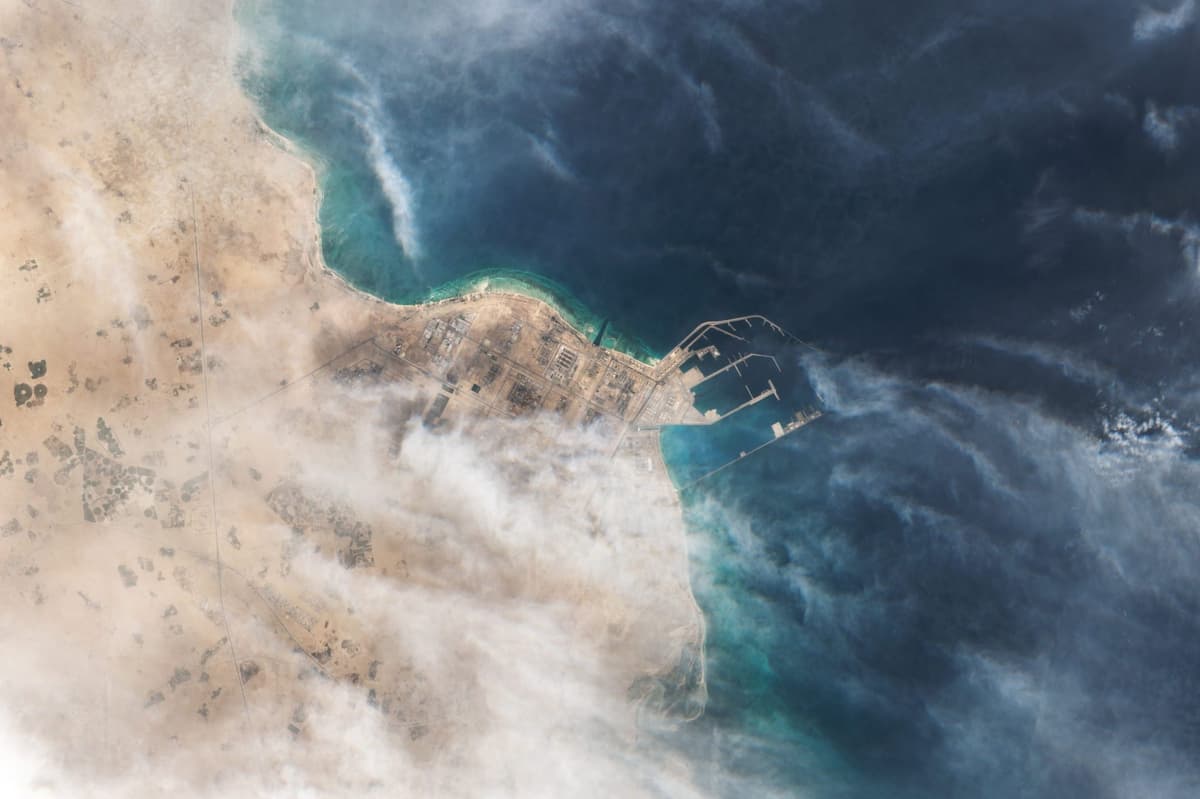
The recent attacks on Qatar’s Ras Laffan complex illustrate that vulnerability. Qatar accounts for roughly a third of the world’s high‑purity helium, and the forced‑majeure declaration by Air Liquide’s Airgas subsidiary has already tightened market liquidity. While major chipmakers such as Samsung and SK Hynix have built inventories to tide over the short term, liquid helium’s 45‑day shelf life and soaring spot prices mean that storage caverns in Germany and Texas can only buy limited time. The situation forces data‑center operators to reassess procurement strategies and consider premium contracts, potentially inflating the cost of AI compute.
Long‑term, the helium crunch signals a broader resource‑risk challenge for AI growth. Unlike neon, which saw recycling investments after the Ukraine war, helium lacks scalable recycling, prompting calls for diversified sourcing, strategic stockpiling, and even investment in alternative cooling technologies. Geopolitical developments—such as potential sanctions relief for Russia’s Amur complex—could modestly augment supply, but reliance on volatile regions remains a structural weakness. Stakeholders must integrate helium risk into their supply‑chain resilience plans to safeguard the $650 billion AI expansion trajectory.
The AI economy runs on helium. The Iran war just created a $650 billion problem
Comments
Want to join the conversation?
Loading comments...