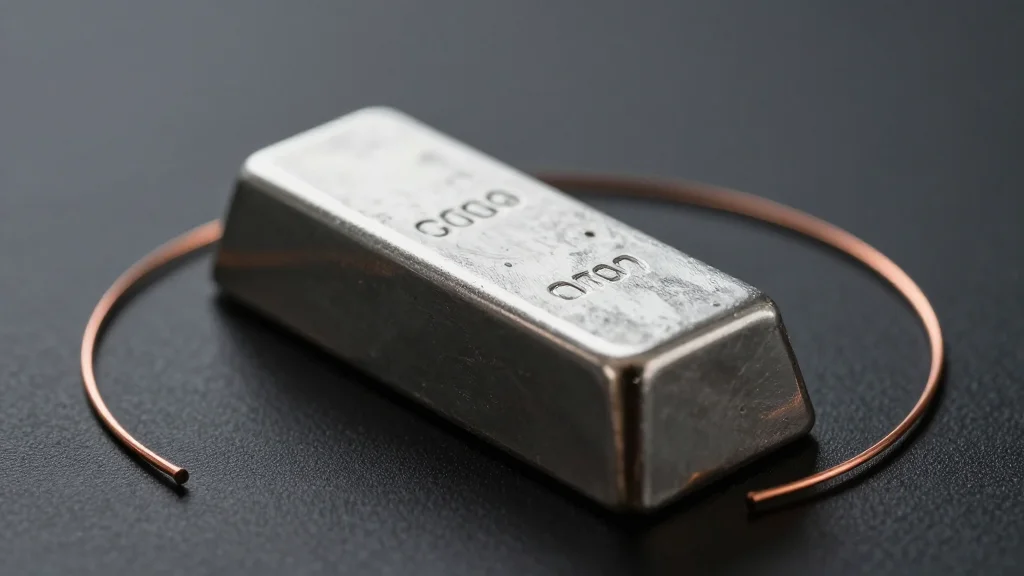
Tin Prices Surge in 2026 as Supply Constraints and Tech Demand Tighten Market

Why It Matters
The tin price rally reverberates across the broader mining sector, highlighting how geopolitical concentration can amplify commodity volatility. Investors and mining companies must reassess risk models that assume diversified supply, especially for metals tied to strategic technologies. Downstream industries, from consumer electronics to automotive manufacturers, face higher input costs that could compress margins or spur innovation in material substitution and recycling. For emerging economies reliant on tin exports, sustained high prices offer a short‑term fiscal boost but also underscore the fragility of economies dependent on a single commodity. Policymakers may need to balance short‑term revenue gains against long‑term stability, potentially diversifying export bases or investing in domestic processing capabilities.
Key Takeaways
- •Tin prices have surged sharply in 2026 amid supply constraints and tech demand.
- •Approximately 60% of global tin production comes from politically unstable regions.
- •Myanmar (25%), Indonesia (20%), DRC (15%) and China (8%) dominate the supply mix.
- •Mine life averages 8‑12 years; reserve‑replacement ratios are below unity.
- •Electronics and semiconductor growth is driving a sustained increase in tin consumption.
Pulse Analysis
The current tin rally underscores a broader shift in commodity markets where supply risk is increasingly tied to geopolitics rather than pure geology. Historically, tin has been a relatively stable metal, but the concentration of output in conflict‑prone regions has turned it into a bellwether for geopolitical risk. Investors are likely to price in a risk premium, favoring producers with operations in stable jurisdictions such as Brazil or Australia, even if those assets are smaller.
From a demand perspective, the semiconductor boom is not a temporary spike; it reflects a structural transition toward more electronic‑intensive products, including electric vehicles and renewable‑energy infrastructure. This creates a feedback loop: higher tin prices incentivize recycling and the search for alternative solder alloys, which could eventually temper demand growth. However, the pace of substitution is limited by technical specifications, meaning the price impact will likely persist for several years.
Looking forward, the tin market may become a case study for how the mining industry can mitigate concentration risk. Strategic diversification of mining assets, joint ventures that spread geopolitical exposure, and accelerated permitting reforms could alleviate the supply funnel. Until such measures materialize, the combination of supply fragility and robust demand positions tin as a high‑volatility, high‑reward commodity in 2026 and beyond.
Tin Prices Surge in 2026 as Supply Constraints and Tech Demand Tighten Market
Comments
Want to join the conversation?
Loading comments...