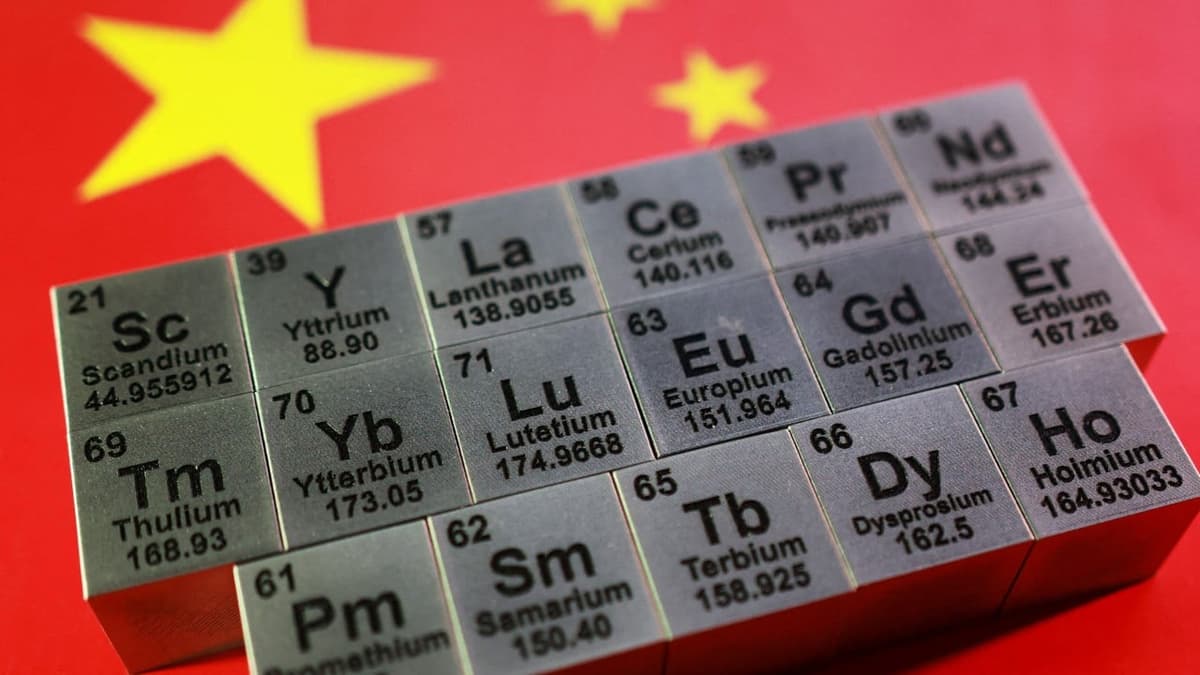
Why China’s Critical Mineral Dominance Is Still Disrupting US Supply Chains
•March 9, 2026
0
Why It Matters
The situation underscores the strategic vulnerability of U.S. supply chains to geopolitical leverage, prompting urgent calls for diversification and domestic capacity building.
Key Takeaways
- •China lifted ban on gallium, germanium, antimony for one year
- •US firms still face delays receiving critical minerals from China
- •Heavy rare earths remain largely sourced from Chinese producers
- •Defense and tech sectors experience severe material shortages
- •Diversification efforts intensify amid ongoing Chinese export restrictions
Pulse Analysis
China’s dominance over critical minerals such as gallium, germanium, antimony, and heavy rare earths has become a linchpin in global technology and defense supply chains. These elements are essential for semiconductor manufacturing, advanced optics, and missile systems, making their reliable flow a matter of national security. While Beijing’s decision to suspend a ban for a year offers a brief reprieve, the underlying market structure—where Chinese firms control over 70% of production capacity—means that any policy shift can instantly ripple through U.S. manufacturing pipelines.
U.S. firms report that the temporary easing has not translated into smoother deliveries. Shipping delays, licensing hurdles, and opaque allocation mechanisms continue to choke the flow of materials to critical downstream players. The defense sector, which relies on steady rare‑earth supplies for radar and guidance components, faces heightened risk of production slowdowns. Similarly, tech companies developing next‑generation chips encounter cost spikes and inventory shortages, eroding competitiveness against peers in regions less dependent on Chinese exports. This supply strain highlights the limits of ad‑hoc diplomatic fixes and the need for structural resilience.
In response, both private capital and policymakers are accelerating diversification strategies. Investments are flowing into rare‑earth projects in Australia, Canada, and the United States, while recycling initiatives aim to reclaim valuable elements from end‑of‑life electronics. The U.S. government is also tightening export‑control reviews and considering subsidies to spur domestic mining and processing capabilities. These moves signal a shift from reactive mitigation toward a long‑term blueprint that reduces reliance on any single foreign source, ensuring that critical mineral supply chains can sustain innovation and security objectives.
Why China’s critical mineral dominance is still disrupting US supply chains
0
Comments
Want to join the conversation?
Loading comments...