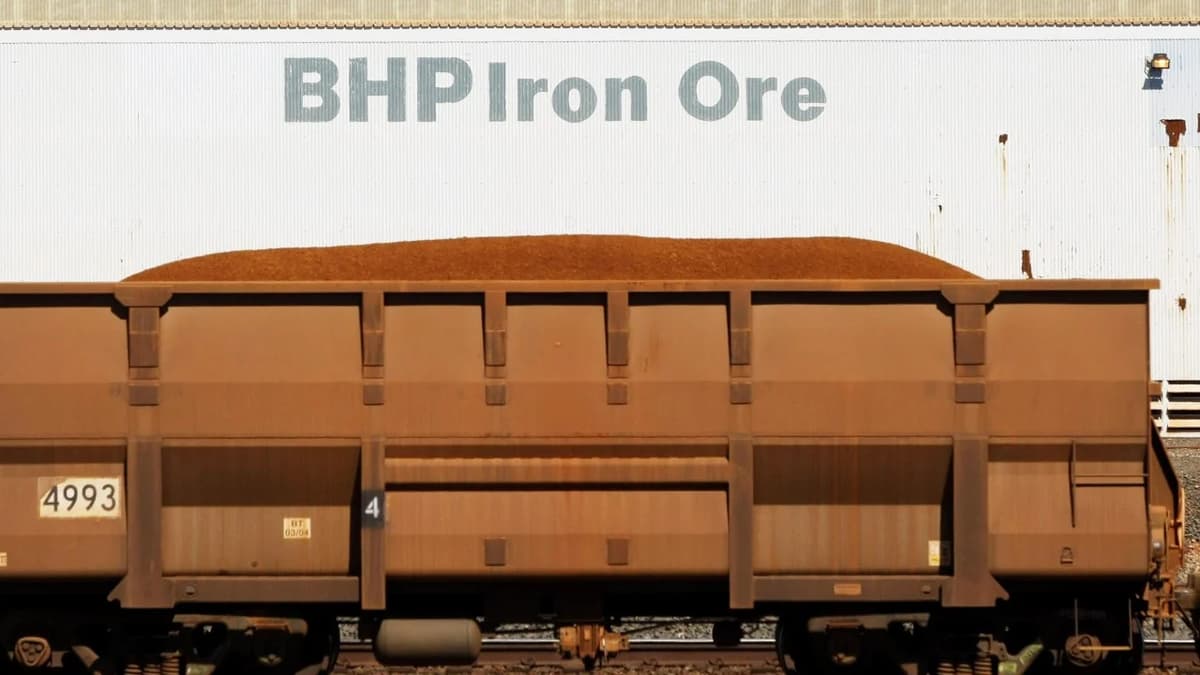
Will China’s Deal with Australian Mining Giant BHP Boost Yuan Internationalisation?
Companies Mentioned
Why It Matters
By shifting iron‑ore pricing toward yuan‑based benchmarks, the deal chips away at dollar dominance in a key commodity market and signals a new lever for China in global trade negotiations.
Key Takeaways
- •BHP uses yuan‑linked index for Jimblebar fines pricing
- •Yuan‑based indexes now account for 51% of price formula
- •Remaining 49% still tied to US‑dollar benchmarks
- •Deal could pressure Rio, Vale, Fortescue to adopt yuan pricing
- •COREX index liquidity will determine broader yuan adoption
Pulse Analysis
China’s decade‑long campaign to internationalise the yuan gained a tangible win when BHP consented to a pricing model that leans heavily on yuan‑denominated iron‑ore indexes. Historically, the global iron‑ore market has relied on US‑dollar benchmarks such as Platts, giving Washington indirect influence over a commodity that fuels 75% of China’s seaborne imports. By embedding actual trade data from Chinese ports into the pricing formula, the new structure reflects real‑time supply‑demand dynamics and reduces the opacity that critics say has allowed price manipulation.
The blended formula assigns 51% of the Jimblebar fines price to yuan‑based spot indices like COREX and Mysteel, with the balance still anchored to dollar benchmarks. This hybrid approach not only offers Chinese steel mills a price that mirrors domestic market conditions but also forces other miners—Rio Tinto, Vale and Fortescue—to confront a shifting pricing landscape. As analysts note, once a major player adopts yuan‑linked pricing, competitive pressure will mount, potentially accelerating a broader migration toward Chinese benchmarks across the sector.
Looking ahead, the BHP agreement sets a precedent that could reshape commodity pricing and bolster the yuan’s claim as a global reserve currency. However, the success of the COREX index hinges on liquidity, transparency and acceptance by international traders. If these hurdles are cleared, more miners may follow BHP’s lead, further eroding the dollar’s grip on commodity markets and giving Beijing a strategic tool in its geopolitical toolkit. The transition will be gradual, but the BHP deal marks a clear step toward a more diversified, yuan‑influenced pricing regime.
Will China’s deal with Australian mining giant BHP boost yuan internationalisation?
Comments
Want to join the conversation?
Loading comments...