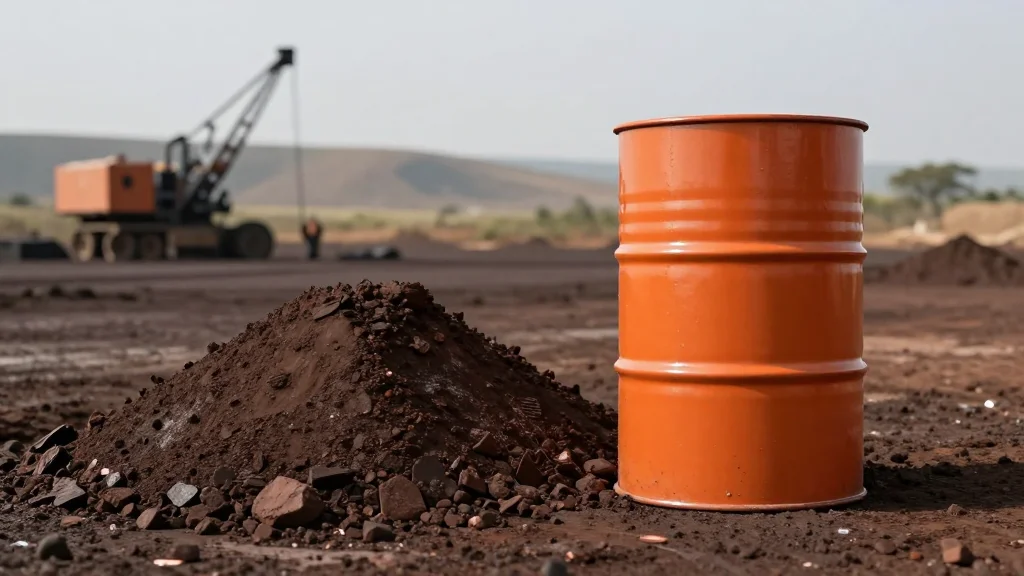
Zambia Lifts Sulphuric Acid Export Ban to DRC, Easing Battery‑metal Supply Constraints

Companies Mentioned
Why It Matters
Sulphuric acid is a linchpin of the leaching process that extracts copper and cobalt—metals essential for electric‑vehicle batteries and renewable‑energy storage. By reopening exports, Zambia helps prevent a supply shock that could ripple through the DRC’s mining sector, potentially curbing output at a time when the world is scrambling for battery‑grade minerals. The decision also underscores the strategic interdependence of African mineral producers, where a shortage in one country can quickly become a bottleneck for the entire supply chain. Moreover, the episode highlights how commodity‑specific inputs, such as leaching chemicals, are becoming geopolitical levers in the race to secure clean‑energy materials. As major economies tighten export controls on critical inputs, regional producers must balance domestic needs with export commitments, shaping the future of global battery‑metal flows.
Key Takeaways
- •Zambia cleared Chambishi Copper Smelter and Mopani Copper Mines to restart limited sulphuric acid exports to the DRC.
- •Trader Alliswell Investment Limited received authorization for a 5,000‑tonne acid shipment.
- •Zambia produces about two million metric tonnes of sulphuric acid annually, mainly as a copper‑smelting by‑product.
- •The DRC, the world’s top cobalt producer, depends on imported acid for leaching copper and cobalt ores.
- •Goldman Sachs warned that prolonged acid shortages could threaten copper output in the DRC and Chile.
Pulse Analysis
The reopening of sulphuric acid exports is a tactical response to a supply‑chain choke point that could have amplified the already tight market for battery‑grade copper and cobalt. Historically, African mining hubs have been vulnerable to input shortages because they rely on a narrow set of regional suppliers. By allowing limited exports, Zambia is effectively using its by‑product capacity as a buffer for the DRC, a move that could set a precedent for other mineral‑rich nations to leverage downstream chemicals as strategic assets.
In the short term, the 5,000‑tonne shipment authorized for Alliswell Investment is unlikely to overhaul the DRC’s acid deficit, but it provides immediate relief to leaching operations that were forced to scale back earlier this year. The real impact will hinge on whether Zambia can sustain higher domestic inventories while expanding export quotas. If successful, the policy could encourage a more fluid regional market for leaching reagents, reducing reliance on distant exporters like China and mitigating the risk of future production disruptions.
Long‑term, the episode underscores a broader shift: as the energy transition drives demand for copper and cobalt, the ancillary chemicals that enable extraction are gaining strategic importance. Investors and policymakers will need to monitor not just the headline metal prices but also the health of the input supply chain. Countries that can secure a reliable flow of sulphuric acid—or develop alternative leaching technologies—will have a competitive edge in the emerging battery‑metal economy.
Zambia lifts sulphuric acid export ban to DRC, easing battery‑metal supply constraints
Comments
Want to join the conversation?
Loading comments...