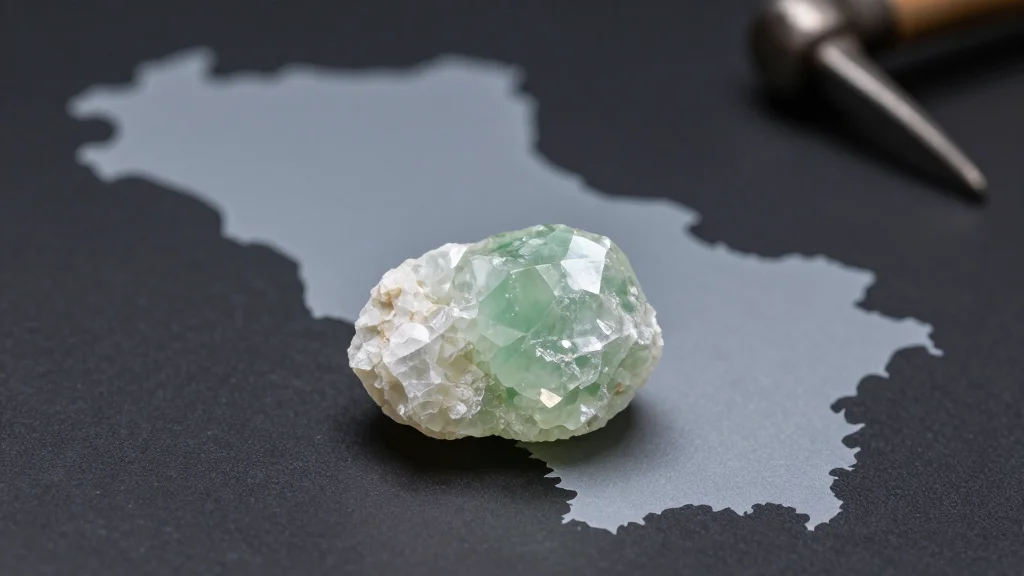
Zimbabwe Bans Raw Lithium Exports, Shaking Global Battery‑Metal Supply Chain

Why It Matters
The ban reshapes the geography of lithium value‑addition, moving a portion of the supply chain from China back to Africa. This shift could reduce China’s leverage over the battery‑metal market and encourage other producing nations to develop domestic processing, diversifying global supply risk. For automakers and energy‑storage developers, tighter lithium carbonate supplies may translate into higher input costs, influencing vehicle pricing and the economics of large‑scale storage projects. In the broader context of the energy transition, the policy underscores how geopolitical decisions can rapidly alter commodity fundamentals. Investors in lithium projects now face heightened scrutiny of regulatory risk, while miners in jurisdictions without similar export controls may see a premium on their output as buyers seek more reliable sources.
Key Takeaways
- •Feb. 25, 2026: Zimbabwe bans raw lithium ore and spodumene concentrate exports.
- •Chinese toll‑refiners face an estimated 8‑10% raw material shortfall by mid‑May.
- •Base‑case lithium carbonate price forecast lifts to $18,200 per tonne.
- •Zimbabwe is the world’s fourth‑largest hard‑rock lithium producer.
- •Domestic refining pilot expected by Q4 2026, details undisclosed.
Pulse Analysis
Zimbabwe’s abrupt export ban is a textbook case of a resource‑rich country leveraging its commodity to capture more of the value chain. By forcing downstream processing domestically, the government aims to generate higher‑value jobs, retain foreign exchange, and reduce dependence on Chinese refiners. However, the policy’s success hinges on rapid capital inflow for refining infrastructure—a historically challenging proposition for African mining jurisdictions.
From a market perspective, the ban injects a structural shock that erodes the oversupply narrative that has kept lithium prices depressed. The new price floor of roughly $18,200 per tonne aligns lithium carbonate more closely with the cost structures of battery manufacturers, potentially accelerating the shift toward higher‑margin, vertically integrated projects. Yet the short‑term pain for Chinese refiners could spur a strategic pivot toward brine‑based supply, accelerating development in Argentina’s lithium triangle and reshaping global trade flows.
Looking ahead, the policy may trigger a cascade of similar export controls in other mineral‑rich nations seeking to retain more downstream value. If Zimbabwe can demonstrate a viable refining model, it could inspire policy shifts in the Democratic Republic of Congo’s cobalt sector or in Brazil’s nickel industry. For investors, the key risk now is regulatory volatility; for the industry, the opportunity lies in building resilient, geographically diversified supply chains that can absorb sudden policy shocks without destabilizing the broader energy‑transition agenda.
Zimbabwe Bans Raw Lithium Exports, Shaking Global Battery‑Metal Supply Chain
Comments
Want to join the conversation?
Loading comments...