Key Takeaways
- •Postpartum depression diagnoses have risen sharply in past decade
- •Motherhood is increasingly medicalized as a psychiatric risk factor
- •Medicalizing maternal challenges may drive up healthcare spending
- •Episode also covers female narcissism and psychopathy versus sociopathy
- •Substack delays releases to protect subscriber inbox experience
Pulse Analysis
Postpartum depression has moved from a niche concern to a mainstream health priority, with diagnosis rates climbing by roughly 30% over the last ten years. This uptick reflects not only better screening but also heightened awareness of the hormonal, social, and economic pressures that accompany early parenthood. As more women seek treatment, the mental‑health industry is expanding its service offerings, from teletherapy platforms to employer‑sponsored wellness programs, creating new revenue streams for providers and insurers alike.
The podcast’s central thesis—that motherhood is increasingly framed as a psychiatric risk—carries profound implications for stigma and cost structures. When everyday parenting stressors are pathologized, insurers may broaden coverage criteria, driving up claim volumes and premium rates. Simultaneously, clinicians may feel pressured to prescribe medication or intensive therapy, inflating per‑patient expenditures. Critics warn that this medicalization could divert attention from social interventions—such as paid parental leave and affordable childcare—that address root causes of distress without escalating pharmaceutical sales.
Digital media outlets like Substack are uniquely positioned to shape the conversation around gendered mental health. By delivering niche, subscriber‑first content, podcasts such as Psychobabble attract a highly engaged audience that values expert analysis over generic headlines. This creates lucrative opportunities for sponsorships, premium memberships, and data‑driven advertising targeting mental‑health tech firms. Moreover, the platform’s editorial independence allows it to challenge prevailing narratives, potentially influencing policy debates and encouraging investors to fund innovative solutions that balance clinical care with broader social support.
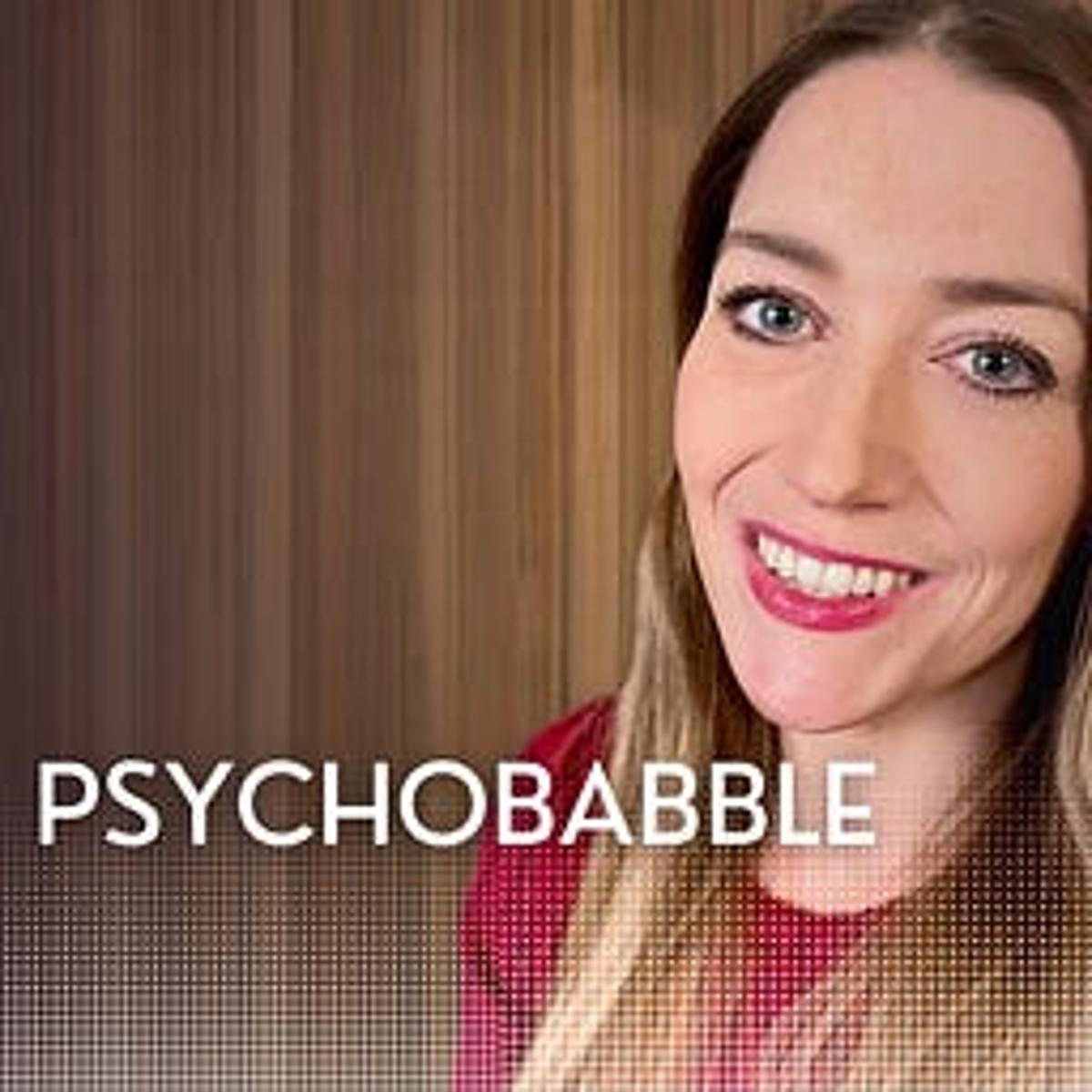
Does Motherhood Make Women Sick?
Comments
Want to join the conversation?